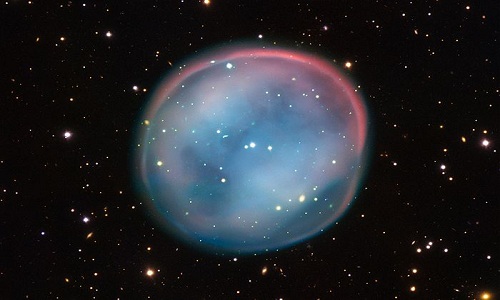
Space science
Dead bodies glow in the universe
The dead star body glows like a giant bubble floating in the darkness of the universe.
Browse ScienceInfo articles and explainers related to Glow.
357 published items.
The dead star body glows like a giant bubble floating in the darkness of the universe.
The MAVEN probe of the US Aeronautics and Space Administration (NASA) found that aurora phenomenon glowed on Mars in mid-December last year. It takes place throughout th…
A meteorite gliding in the sky of the East Coast of America and glowing brightly made witnesses mistakenly believe it was a burning plane.
The image recorded in Argentina shows a giant glowing sphere that seems to turn the night into daylight during the moment it passes through the sky.
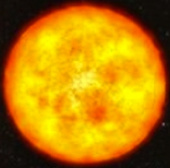
Astronomers from the University of Pennsylvania (USA) have discovered that the oldest star in cosmos was formed at least 13.2 billion years ago.
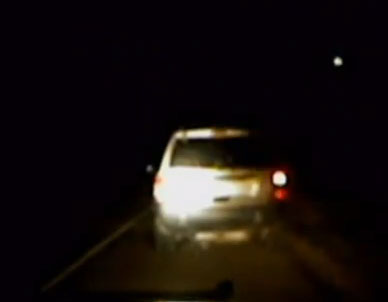
A camera installed on the American police patrol car accidentally recorded a brilliant light that aviation officials confirmed was a meteor.
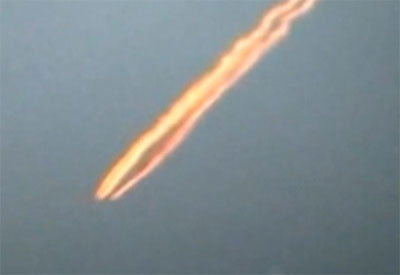
The image of a shining object believed to be meteorite was caught plunging down from the sky of Cusco, southern Peru.
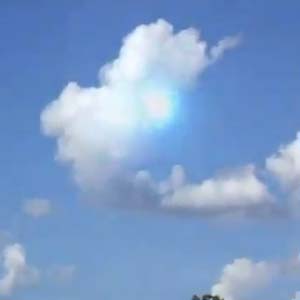
Brazilian media simultaneously reported on an unidentified object (UFO) flying on the Sao Paulo state airspace yesterday.
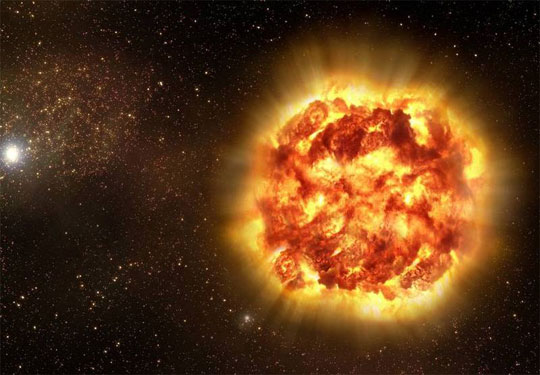
When you were a kid, did you ever try to crash two toy cars to see what happened? If so, you have understood somewhat the principle of operation ...

According to scientists, the phenomenon of floating mountains in the air, plants and animals glowing in the dark night ... in the movie Avatar can absolutely happen in r…
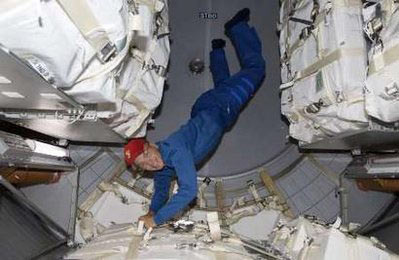
Many amateur astronomers see streaks of light glistening in the sky on 9/9. At first they thought it was a mysterious astronomical event, but actually the light trail wa…
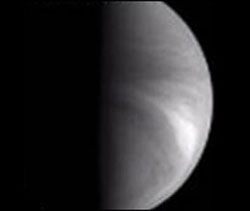
The international astronomers were confused when they saw a huge glow in Venus's clouds.
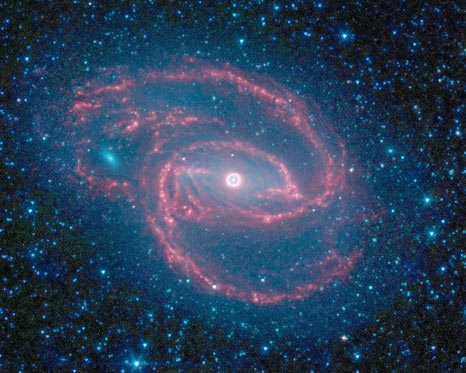
The Spitzer telescope has just discovered a spiral galaxy shaped like an eye about 50 million light years from the earth.

Astronomers in the northern hemisphere just took the first photos of glowing clouds at night last week.
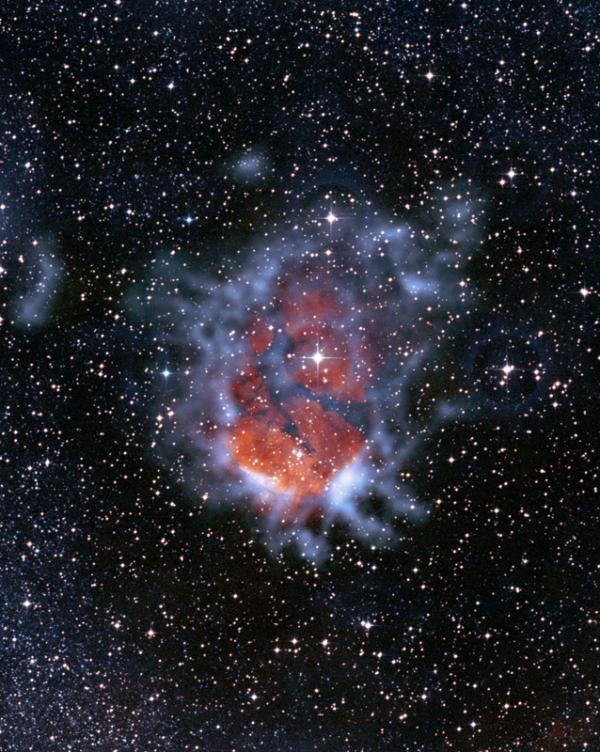
An image of the APEX telescope reveals how an ionized gas bubble causes surrounding materials to turn into dense blocks, thereby forming new stars.