Oceanography
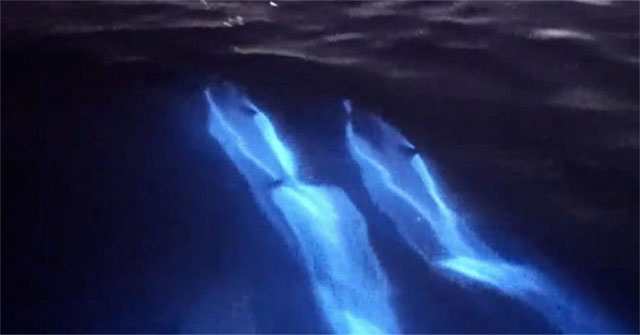
Spectacular surreal scenes of 'glowing dolphins' under the sea
A photographer has recorded images that are thought to be extremely rare as dolphins glow in the darkness of seawater thanks to bioluminescence.
Browse ScienceInfo articles and explainers related to Glow.
357 published items.
A photographer has recorded images that are thought to be extremely rare as dolphins glow in the darkness of seawater thanks to bioluminescence.
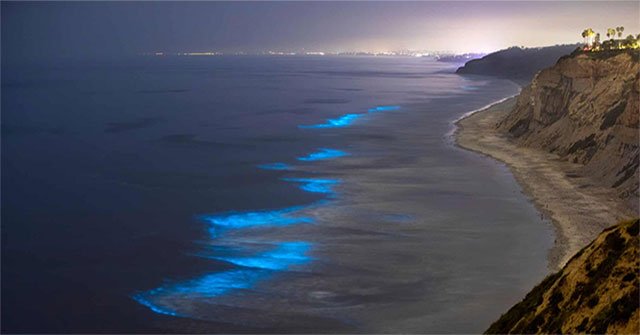
In the midst of the pandemic, nature brought an unprecedented gift to night seafarers in Southern California, USA, a bioluminescent wave caused by algae blooms.
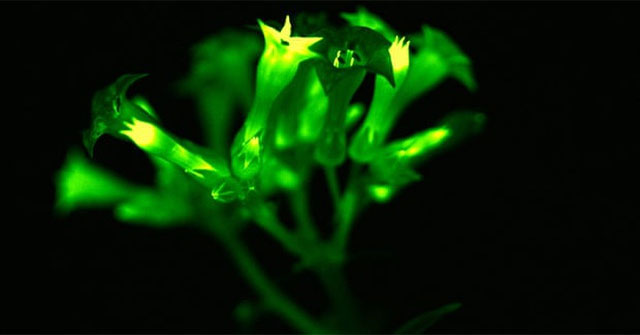
A new technique unravels plant activity and can be used to uniquely decorate homes.
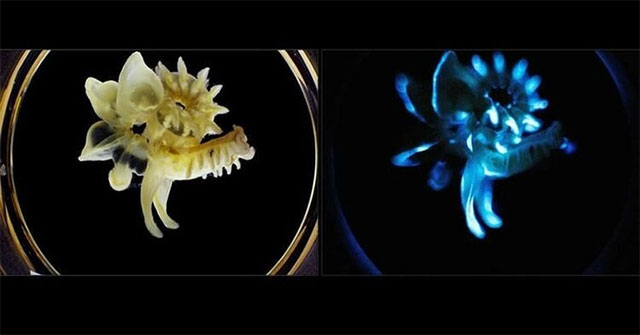
New research published in the FASEB journal suggests that Chaetopterus marine worm mucus could become a long-term light source for future technology.
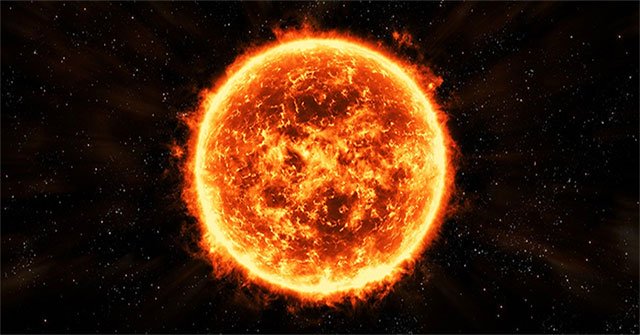
The sun is like a hot, dazzling fireball. Every hour it radiates a large amount of energy, emitting light and heat in the universe, including our Earth.
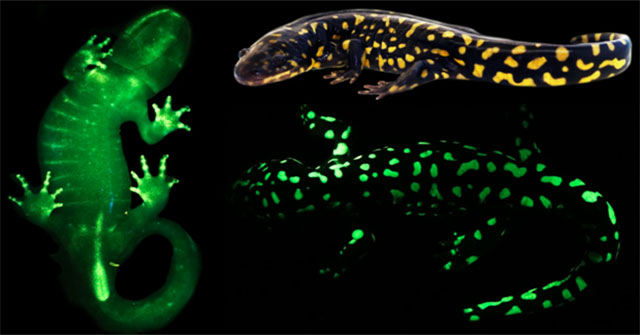
Amphibians that can glow in nature are not uncommon as many people think.
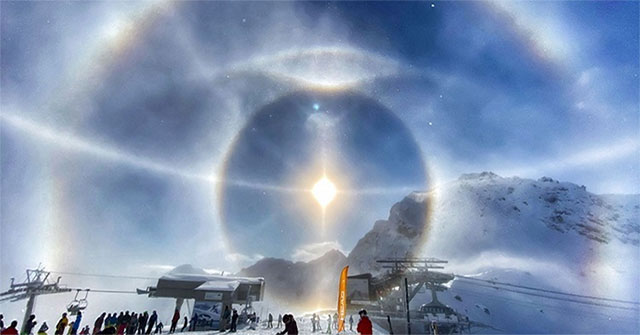
The moment the ice crystal floats in the air creating a halo effect around the Sun that enters the photographer's lens in the Alps.
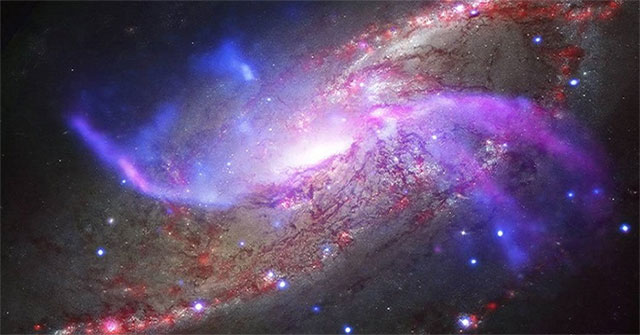
The US Aerospace Agency (NASA) on December 31, 2019 shared photos that reveal the structure and glow of the spiral galaxy NGC 4258.
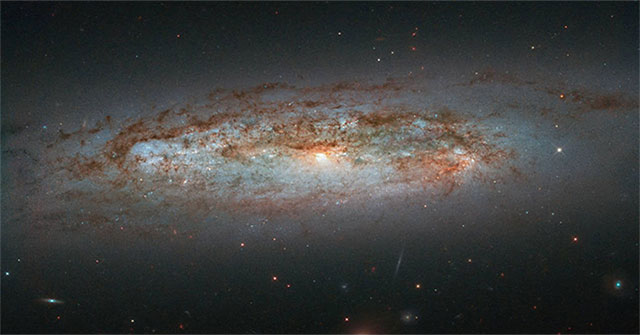
The Hubble Space Telescope captures a stunning image of the galaxy NGC 3175 more than 50 million light-years away.
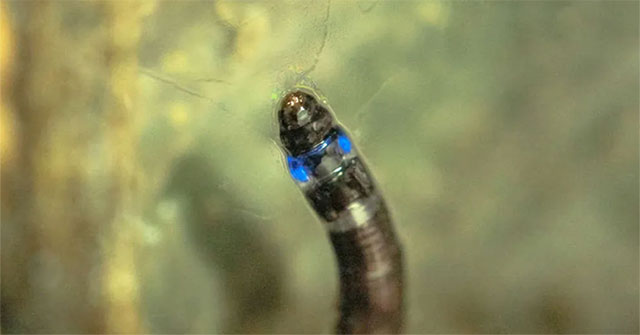
Research author Cassius Stevani, from the University of São Paulo's Institute of Chemistry, notes that this is the first time scientists have recorded blue emissions fro…

Researchers from the American Chemical Society (ACS) have developed a long-lasting subcutaneous light-emitting device that works at low voltage and is safe for human ski…
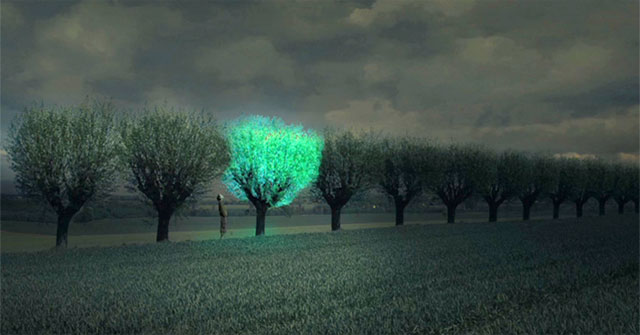
Imagine a place that is so dark that you close or open your eyes the same way because there is no sunlight.
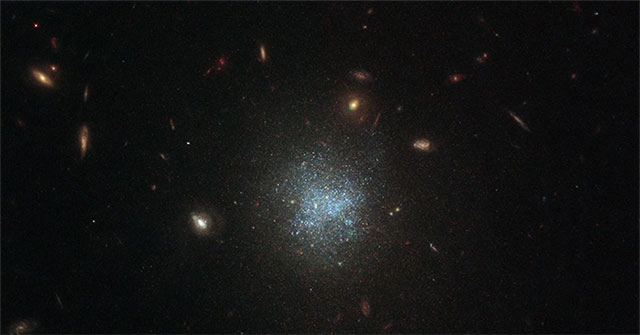
The Hubble Space Telescope captures UGC 695, a weak glowing galaxy located in the constellation Cetus (Kinh Ngu).
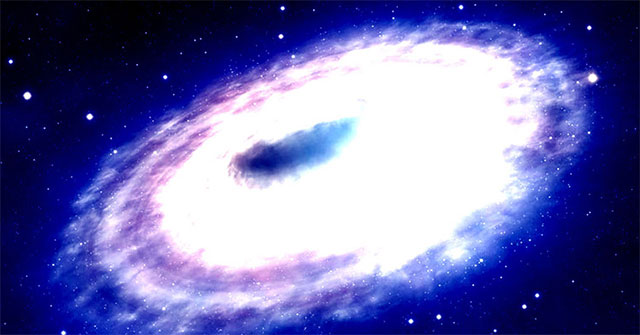
The supermassive black hole in the center of the Milky Way swallows more matter and glows abnormally.
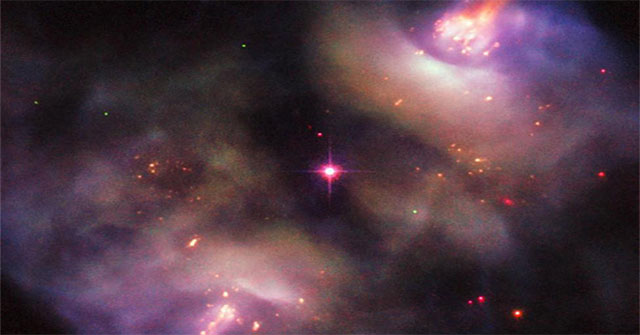
The latest image of the planetary nebula NGC 2371/2 released by NASA last week shows the remnants of a dying star.