
Medicine - Health
Use stem cells to restore damage caused by heart attack
The results were drawn from a study conducted by Tim Cedars-Sinai Institute in Los Angeles (USA) that performed more than 25 patients who had had a previous heart attack…
Browse ScienceInfo articles and explainers related to Heart Attack.
78 published items.
The results were drawn from a study conducted by Tim Cedars-Sinai Institute in Los Angeles (USA) that performed more than 25 patients who had had a previous heart attack…
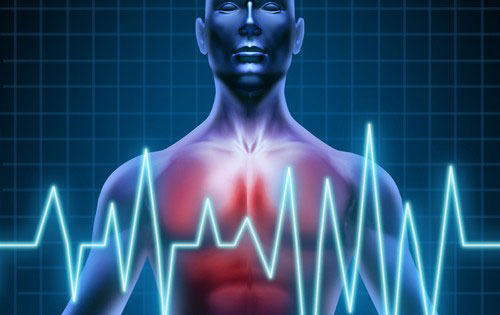
Researchers say anemia could triple the risk of death within a year after a stroke, UPI news agency reported.

US researchers say sadness and loss of loved ones can make bereaved attacks heart attacks.
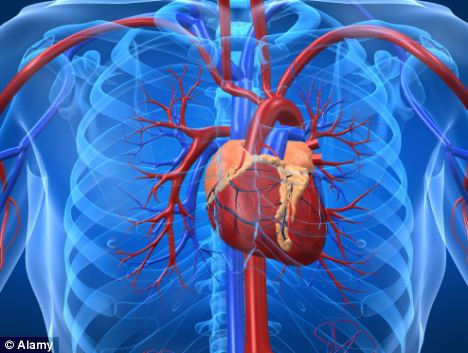
The heart will be able to heal itself after scientists find a way to turn normal tissues into heart muscle cells.
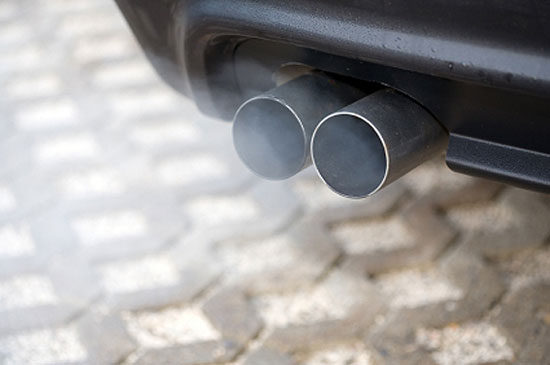
One study showed an increased risk of heart attack in six hours after we inhaled smoke from cars and other motor vehicles.

Sex and exercise can cause heart attacks in some people if they do not regularly perform those two activities.

Scientists have discovered that polluted atmosphere is also a cause and it also has a stronger impact than the above factors.

Hibernate bears are one of the strange things of nature. They can sleep for months without eating, even the female bears maintain the fetus during this process.

People who eat a lot of fiber every day may be less likely to die prematurely due to diseases like heart attack, cancer and infection.

Scientists have discovered that some painkillers used to treat swelling such as Celebrex and Advil can increase the risk of heart attack, stroke or even death.

A recent study in Circulation shows that people are more likely to commit suicide after experiencing a heart attack.
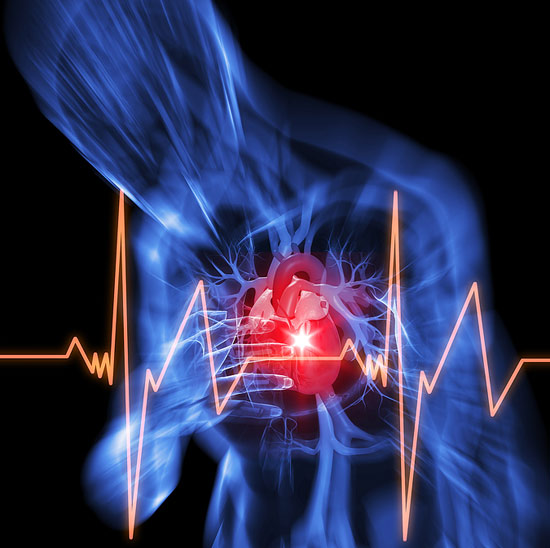
Scientists at Canada's University of Western Ontario have discovered that chronic stress can increase the risk of heart attacks.
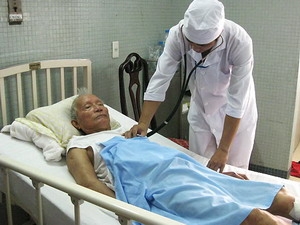
According to new research results, B vitamins are safe but have no protective effect on people who have had a heart attack.

Replacing brown rice with brown rice can help prevent high blood pressure and reduce the risk of heart attack, US-Japanese experts said.

People who live near crowded transport routes have a higher risk of a heart attack than people who live in quiet areas, Swedish scientists claim.