
Discover science
How does an atomic bomb work?
Since the atomic bombings of Hiroshima and Nagasaki, nuclear weapons have been detonated more than 2,000 times as tests and displays of military power.
Browse ScienceInfo articles and explainers related to Hiroshima.
27 published items.
Since the atomic bombings of Hiroshima and Nagasaki, nuclear weapons have been detonated more than 2,000 times as tests and displays of military power.
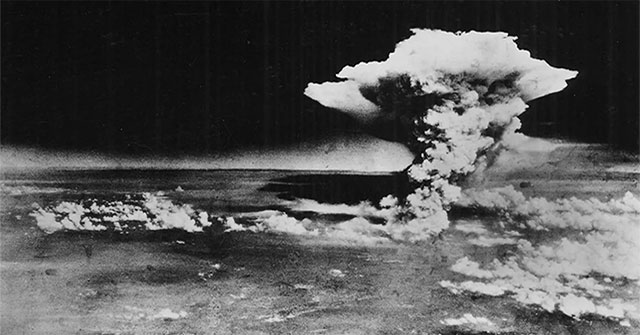
The world's first two atomic bombs dropped by the US military on Japanese cities created an unprecedented tragedy.

Some tree species such as willow, camphor, persimmon, eucalyptus... still stand and grow young buds despite suffering many scars from the power of the atomic bomb droppe…
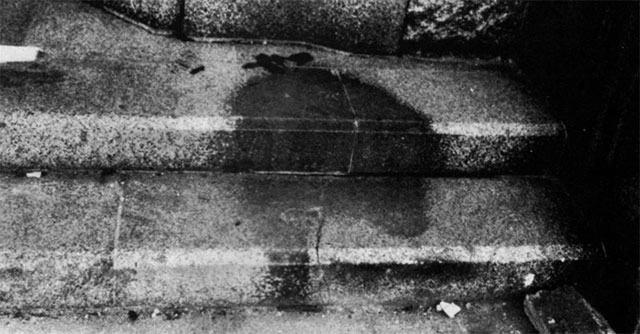
The Hiroshima and Nagasaki nuclear disasters left many mysterious questions, typically these
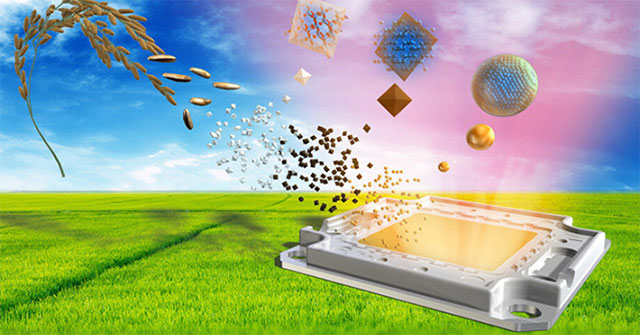
The team from Hiroshima University utilizes discarded rice husks to develop eco-friendly red-orange LEDs.
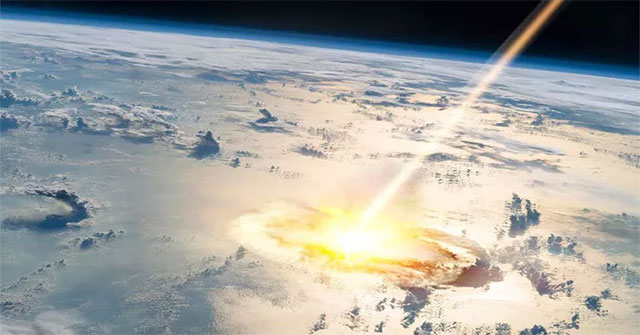
Evidence of a meteorite attack that is equivalent to 940 million bombs dropped by the US Hiroshima was explored in the UK, after 1.2 billion years of burial.
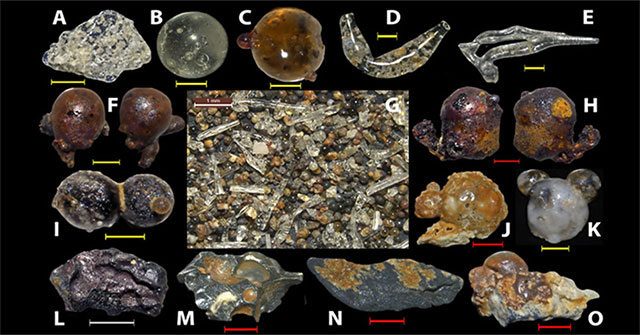
Scientists have sought to explain the strange glass pieces of water droplets that appear throughout the beaches around Hiroshima (Japan).
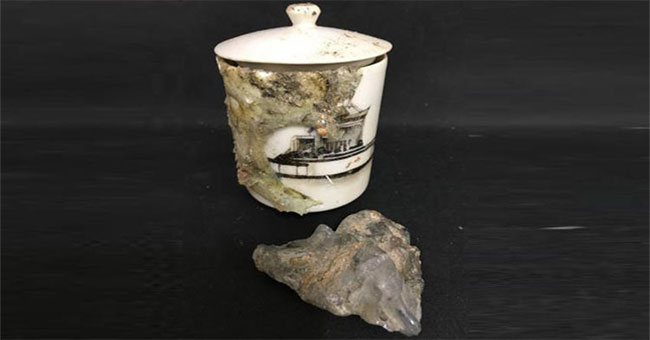
According to Express, the white porcelain cup with this lid is intact but there is a piece of hot glass that clings to the side, which is a testament to the terrible nuc…

On August 6, 1945, when the United States threw the first atomic bomb into Hiroshima, Tsutomu Yamaguchi was then Mitsubishi's tanker designer who took orders to work in…
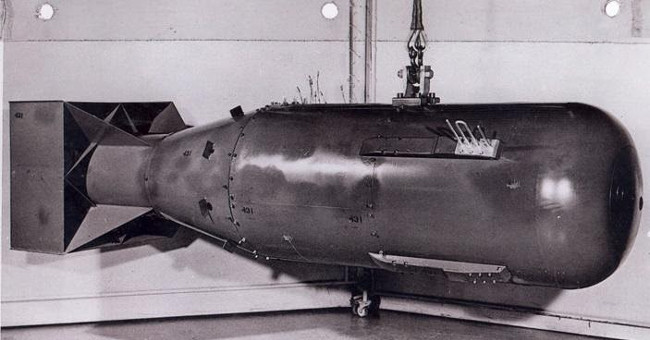
Iran's implementation of uranium enrichment technology has raised international concerns

The atomic bomb explosions that happened in the past made people shudder in fear of the terrible impact it caused.
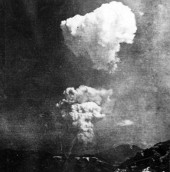
An extremely rare photograph of a giant mushroom cloud divided into two parts after the atomic bombing in Hiroshima, Japan was found.
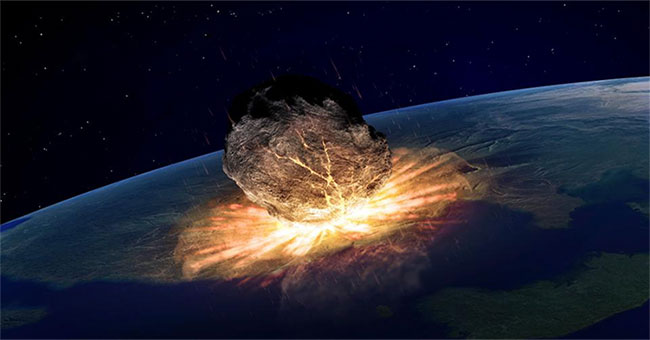
A large asteroid with 1,500 times the destructive power of US atomic bombs on Hiroshima and Nagasaki (Japan) combined, can hit the Earth directly.
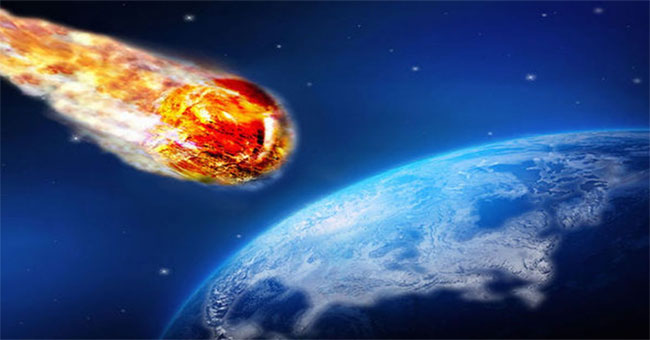
The asteroid with 300 times the destructive power of Hiroshima's atomic bomb, Japan, grazed the Earth on June 24.
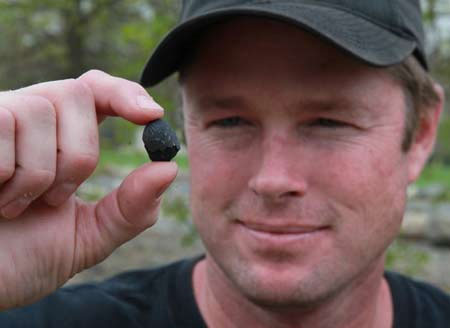
On April 26, US scientists announced that small meteorite fragments found in the northern state of California were part of a giant fireball that exploded over the weeken…