Discover science
Why does hot water thermos retain heat?
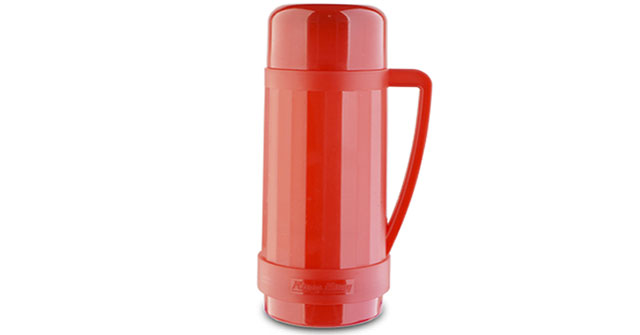
A thermos bottle is a household appliance used to store boiling or warm water.
Browse ScienceInfo articles and explainers related to Hot Water.
26 published items.
A thermos bottle is a household appliance used to store boiling or warm water.
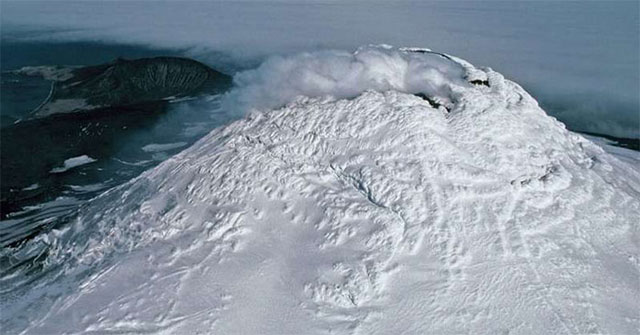
Thanks to high-quality satellite images, scientists discovered a boiling and sustainable lava lake, 90-215 m wide on the crater of Michael.
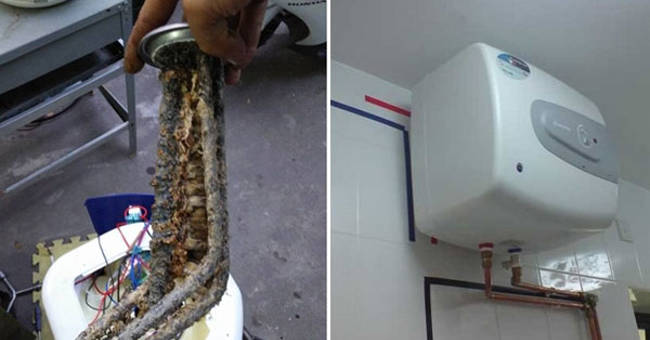
In order to avoid the tragic deaths of electric shock when using hot and cold water bottles, people need to equip themselves with safety knowledge when using hot and col…
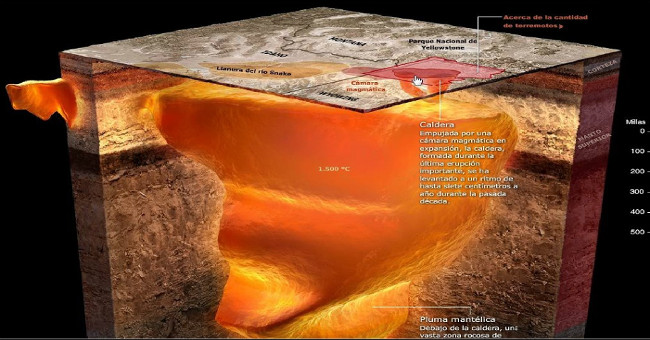
According to Express, experts at Yellowstone National Park, where the super-volcanic name said, saw huge water column appear last weekend.

According to the British New Scientist magazine, sometimes the freezing speed of hot water is much faster than that of cold water. This bizarre phenomenon has hurt the s…
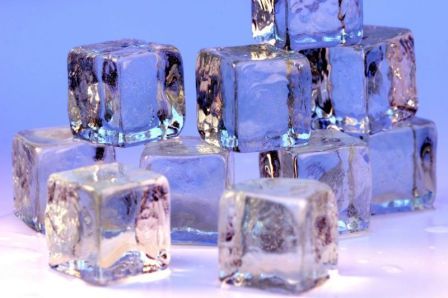
In general, the water is frozen into ice at 0 degrees Celsius. Although there are logical arguments, in fact hot water can freeze faster than cold water under certain co…
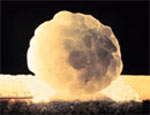
An American scientist discovered the mechanism of the Mpemba effect - known after a Tanzanian student named Erasto Mpemba found that the sugar milk he used to make ice c…
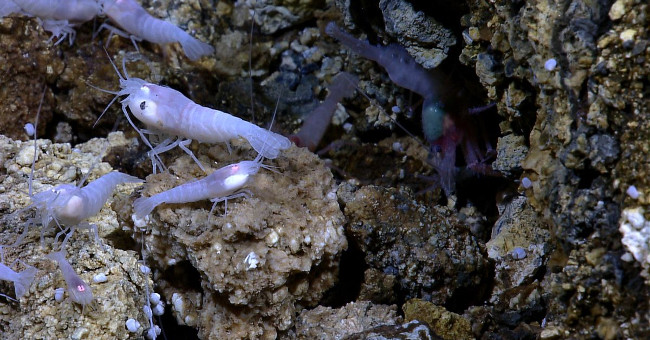
This shrimp is thought to live deeper than any other known shrimp in the world. They live at depths of less than 5,000 meters, in a crater in the seabed where a volcano…

Scientists have discovered traces showing that the eggs of some dinosaurs are placed in their mother's hot water circuits.
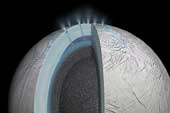
The latest scientific news in ABC Science (Australia), scientists have discovered the existence of a hot lake deep beneath the moon's surface of the moon Enceladus - Sat…
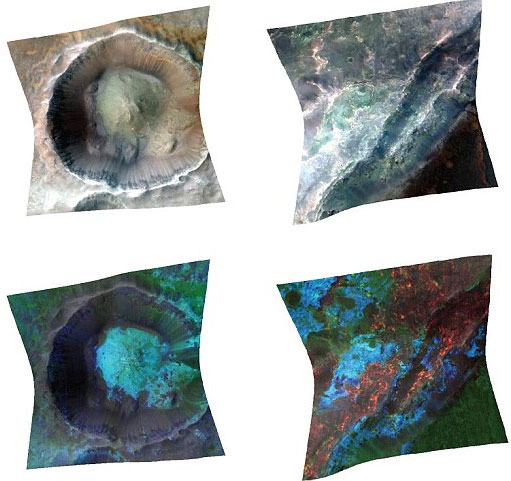
Scientists have discovered that hot water mixed with rocks lies beneath the surface of Mars. They argue that the hot water has been in place for hundreds of millions of…
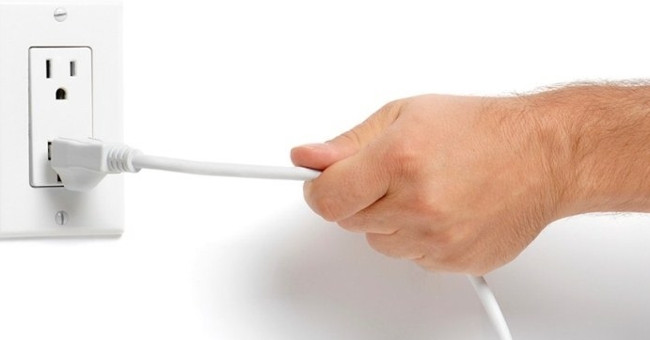
In winter or chilly days, the need to use the heater will be more. So, how to use a hot and cold bottle to always save electricity is of great interest.
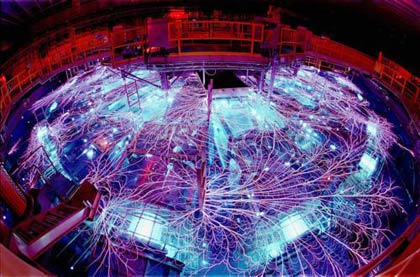
Turning water into ice in just a few nanoseconds (1 nanosecond = 1 millionth of a second) is not a big deal compared to experimenting with ice making
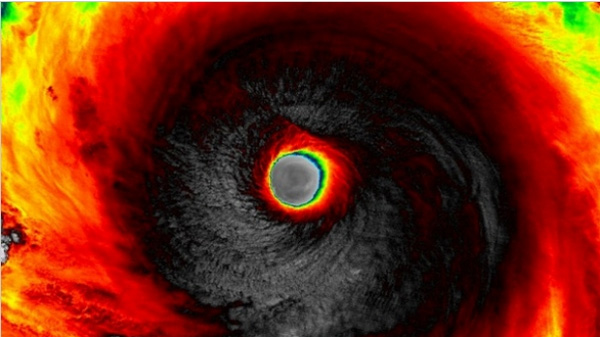
Typhoons form in the tropics because this natural phenomenon requires a very hot stream of water, at least 26 degrees at least 50 meters below the water.
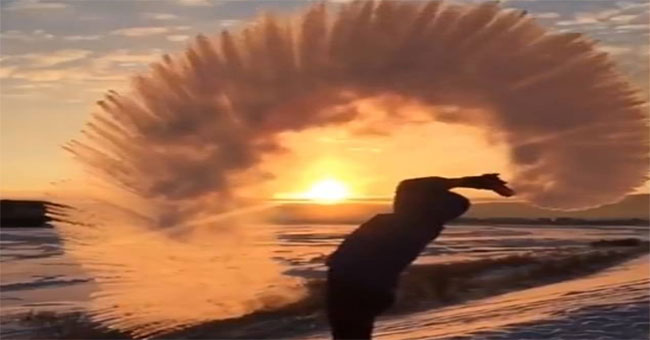
According to the Daily Mail, videos spread on social networks and media showed hot water splashing and freezing immediately.