Oceanography
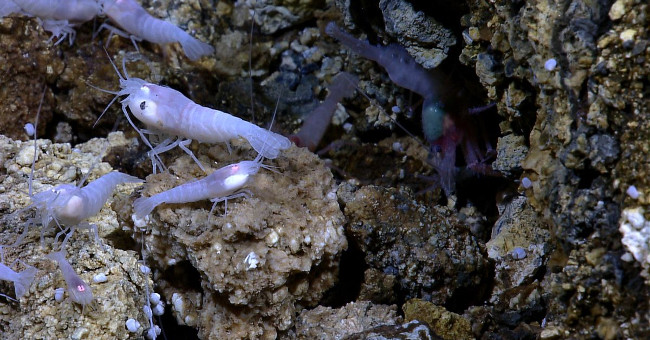
Shrimp species can live in hot water of 450 degrees Celsius
This shrimp is thought to live deeper than any other known shrimp in the world. They live at depths of less than 5,000 meters, in a crater in the seabed where a volcano…
Browse ScienceInfo articles and explainers related to Hot.
1,088 published items.
This shrimp is thought to live deeper than any other known shrimp in the world. They live at depths of less than 5,000 meters, in a crater in the seabed where a volcano…
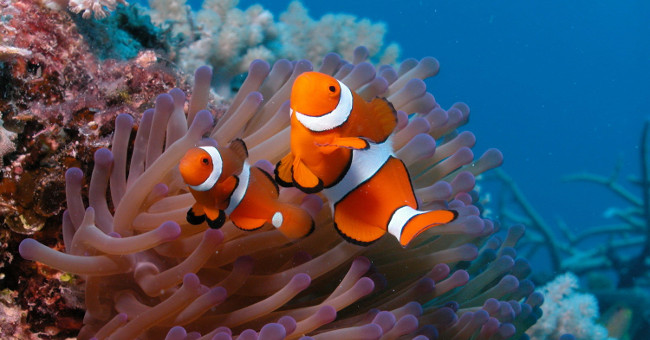
Clownfish, the main character in the cult animated movie Finding Nemo is in danger of extinction completely due to seawater warming, causing anemones and their habitats…
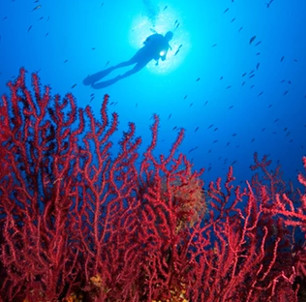
The phenomenon of white corals globally has led scientists to worry that they will die massively.

Scientists have discovered 'hot' fish living in Antarctica for millions of years. It is a fish that has the ability to naturally produce antifreeze in the blood naturall…
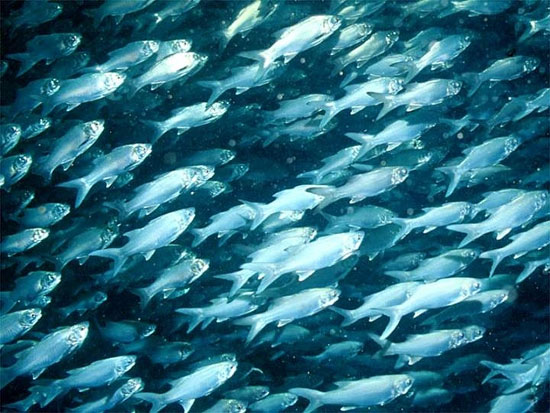
More than half of the important fish groups with marine food networks can die because global warming reduces the amount of dissolved oxygen in seawater in many areas.
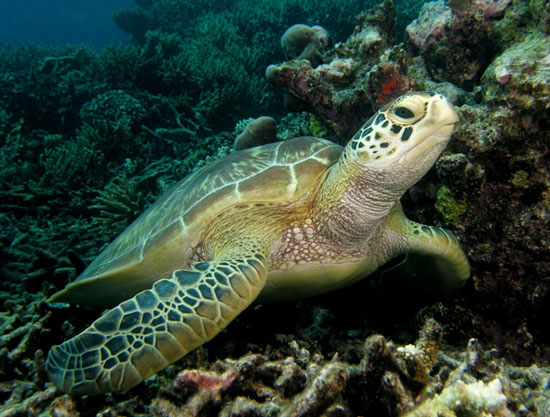
British scientists claim that some species of sea turtles have evolved to produce heat-resistant eggs to deal with hot sand on beaches that are inhabited by them.

Deep in the Arctic Circle, scientists have discovered columns of hot liquid spraying on the sea floor at twice the boiling temperature of water.
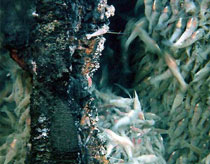
Three new marine shrimp were caught at a depth of 2,300 meters on hot water slots in the mid-Atlantic mountains.

When the home waters become too hot, some fishes swim north for the first time in hundreds of years in search of cooler waters.

'Russians send submarines to plug a small flag in the Arctic Ocean, and we send our prime minister,' a Canadian government source announced on August 9 on Kommersant (Ru…
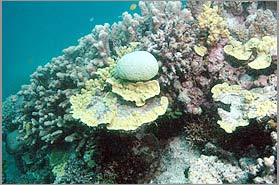
Warming seawater temperatures will cause a serious coral disease called white syndrome according to the latest report on Australia's largest coral reef in the world publ…
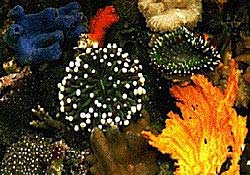
The warmer global climate phenomenon may have permanently destroyed some of the planet's most rare coral reefs. It is affirmed by a group of international researchers af…
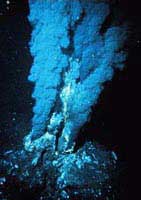
Ocean explorers have discovered a vast field deep in the ocean that extends from the Arctic to the Indian Ocean, receiving energy with only hot water and is rich in stra…

Ancient people in South America may have sipped hot cocoa for centuries before Mexicans began planting this plant around 1900 BC.

Between the 14th and the 19th centuries, winter temperatures suddenly dropped sharply, causing the whole of Western Europe to sink in cold.