Space science
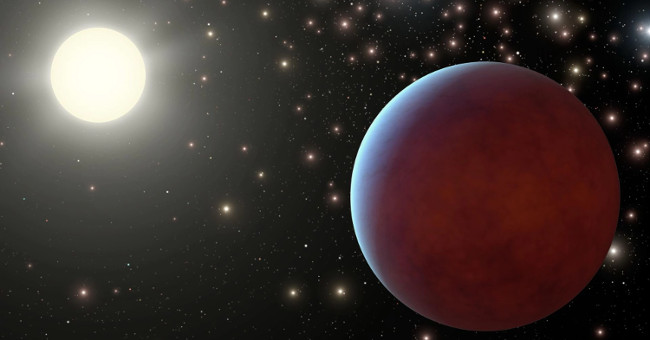
The planet absorbs 99% of sunlight
WASP-104b may be the darkest planet ever discovered. The planet of this hot Jupiter is covered by a mist that absorbs 97 - 99% of the light reaching the surface.
Browse ScienceInfo articles and explainers related to Hot.
1,088 published items.
WASP-104b may be the darkest planet ever discovered. The planet of this hot Jupiter is covered by a mist that absorbs 97 - 99% of the light reaching the surface.
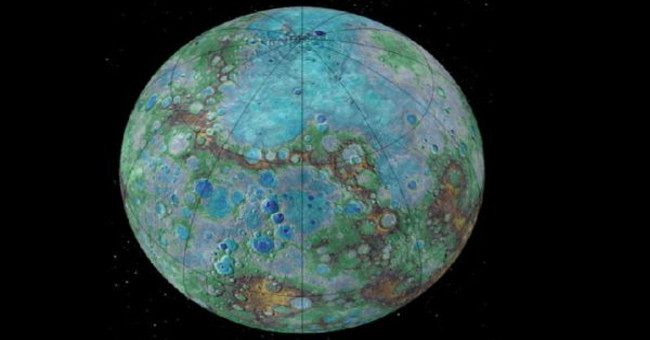
The mysterious planet was discovered by a group of global astronomers including the University of Warwick.

New molecules can form in the wind or energy spill streams from super-heavy black holes at the center of galaxies, according to a theory in a study published in the Jour…
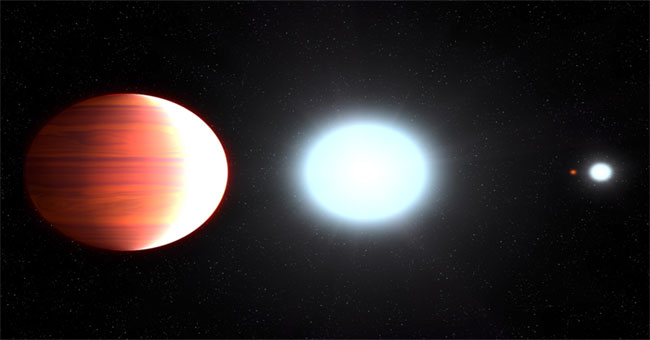
Astronomers have discovered a strange and extremely alien planet. If you have the opportunity to travel space, then skip this planet.
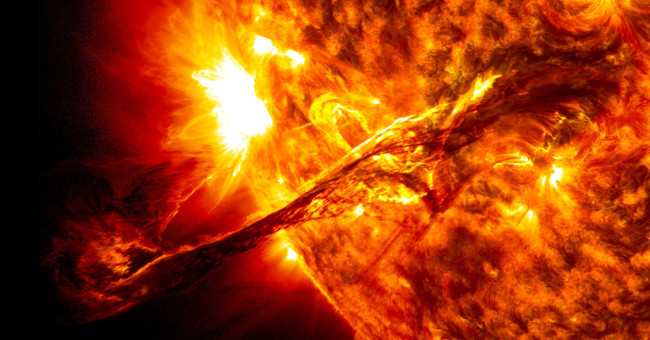
To answer this question, we must know the exact temperature and the factors that influence the Sun and Earth.

According to Sputnik, 37 million years ago, a giant meteorite 5 km in diameter once crashed into Earth, in the area of present-day Canada, creating a crater up to 28 k…
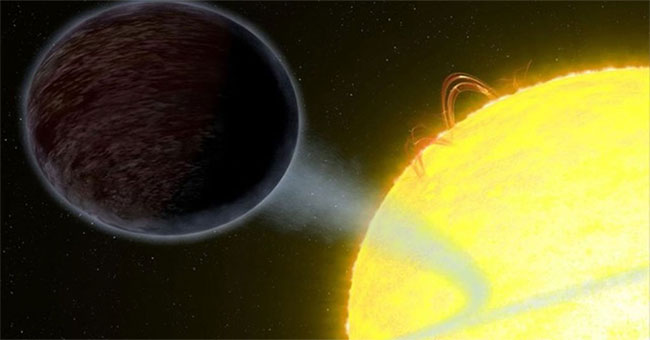
The Hubble Space Telescope of NASA discovered the strange planet WASP-12b is almost completely black, because it absorbs 94% of the light shining on the surface.

Another hot summer is coming, and here are the hottest things in the universe in terms of each of their hot aspects.
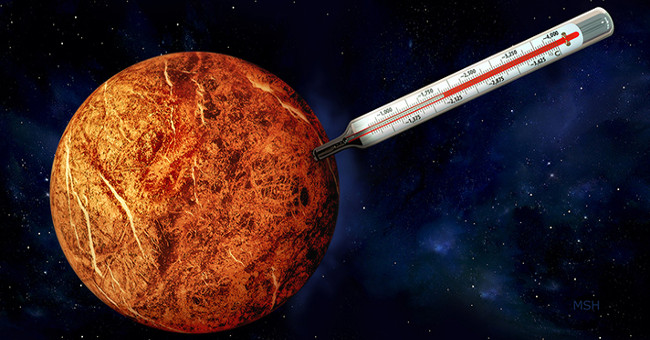
Although the planets lie far away from the host stars, they start to heat up and retain that hot temperature.

A company called World View said it is preparing a new service plan, bringing people up
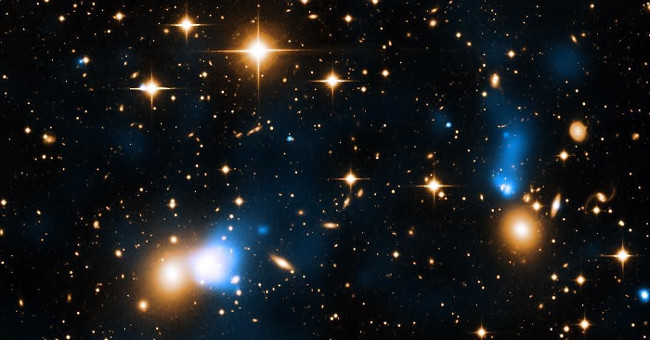
NASA's Chandra Observatory captured the image of a sparkling celestial object: a hot gas stream of 250,000 light-years long.
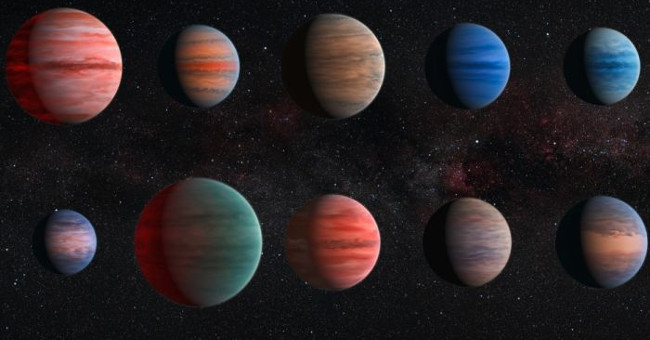
The astronomers' new findings point to a giant group of gas extraterrestrials outside the solar system covered by water-storing clouds.
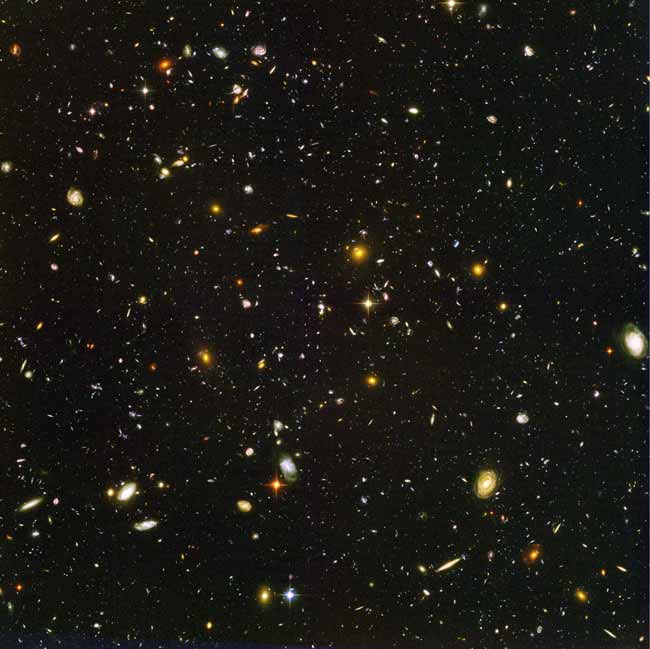
The vast universe with mysterious bodies has so far contained many difficult questions to answer, making the scientific community hard to find the answer. According to N…
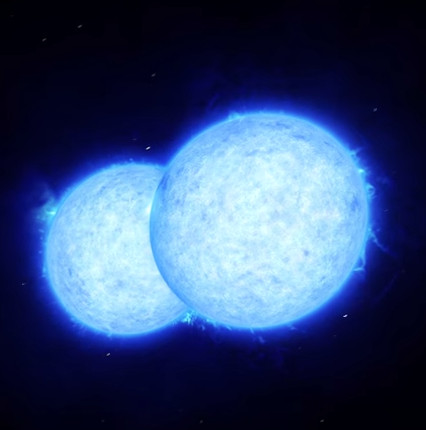
VFTS 352 is a binary star system located in the Tarantula nebula, about 180,000 light-years from Earth.
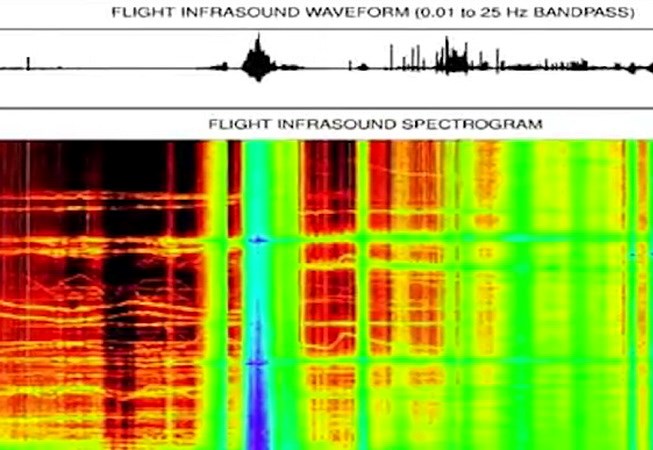
For the first time in 50 years, scientists have obtained sounds of frequencies below 20Hz (below the level of human self-hearing) from the outer edge of the universe.