
Environment
2010 will be the hottest year in history?
The global warming combined with the ocean warming up due to the El Nino weather phenomenon, 2010 is considered one of the hottest years in history.
Browse ScienceInfo articles and explainers related to Hot.
1,088 published items.
The global warming combined with the ocean warming up due to the El Nino weather phenomenon, 2010 is considered one of the hottest years in history.

Floods in China and Pakistan have killed thousands. Hot weather over 400C caused serious forest fires that left dozens of people dead in Russia. Other record heat waves…

The Earth is nearing the farthest position of the sun in 2010, but temperatures in many cities around the world are reaching record highs in several decades.

Research agencies returned to find ways to implement technical initiatives to reduce the Earth's atmospheric heat.

Hot mineral water in La Phu and Bao Yen communes (Thanh Thuy district, Phu Tho province) containing Radon is a very good mineral water for health.

Rural sanitation, especially rural waste is becoming increasingly urgent ...

Is it random or not when all the highest mountains in the world are located close to the equator?

Australia has just experienced the hottest August in history amid increasing winter temperatures. Climate experts blame this situation for global warming.
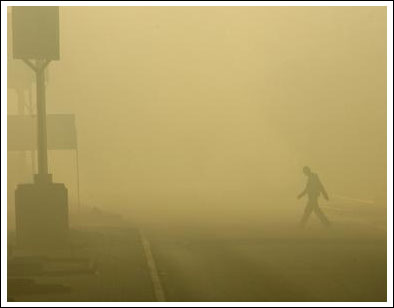
According to the Daily Telegraph, some places with hot climates in the world are taking advantage of the
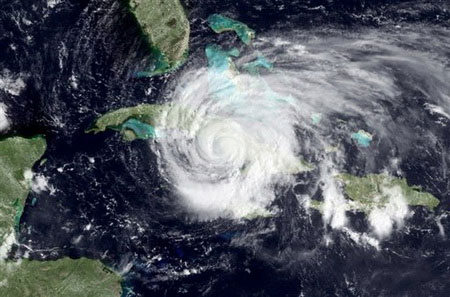
This summer is hot and winter may not have snow, this is the statement given by US meteorologists on August 4 when alerting the El Nino weather phenomenon is returning.
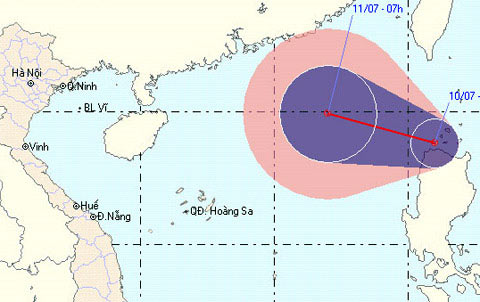
This afternoon, the low pressure area crossed the island of Luong (Philippines) and advanced deep into the North China Sea. Meanwhile, the central provinces began to exp…
Coastal ecosystems around the world are threatened by the impact of human activities ...

On July 20, authorities in southern Russia formally declared a state of emergency due to the abnormal hot sun that continued for several days.
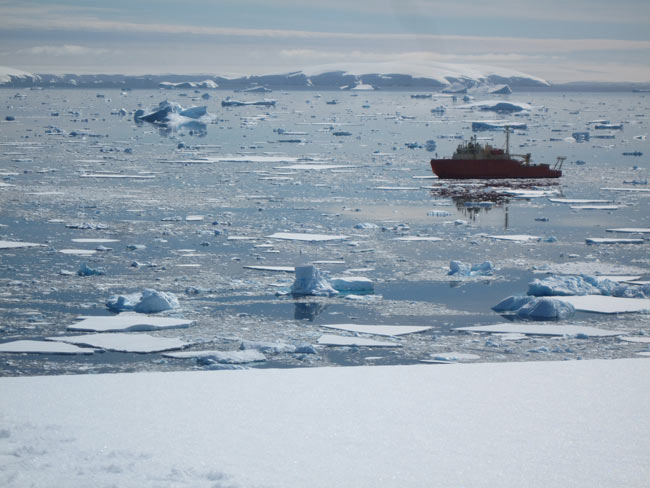
Rapid climate change on the Antarctic Peninsula has caused simultaneous changes in the region's biological productivity.

British weather researchers say 2009 will be one of the five hottest years in history, with global temperatures above the long-term average of 0.4 degrees Celsius.