Environment
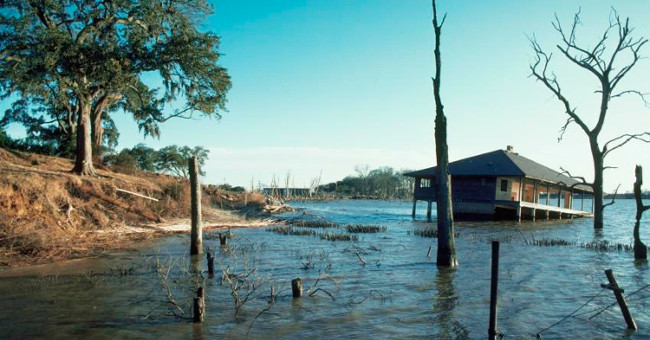
Huge artificial water swirls swallow the island
The whirlpool is formed by a small negligence of humans swallowing up an island of nearly 300,000 square meters, two rigs and many barges, and at the same time the islan…
Browse ScienceInfo articles and explainers related to Human.
6,757 published items.
The whirlpool is formed by a small negligence of humans swallowing up an island of nearly 300,000 square meters, two rigs and many barges, and at the same time the islan…
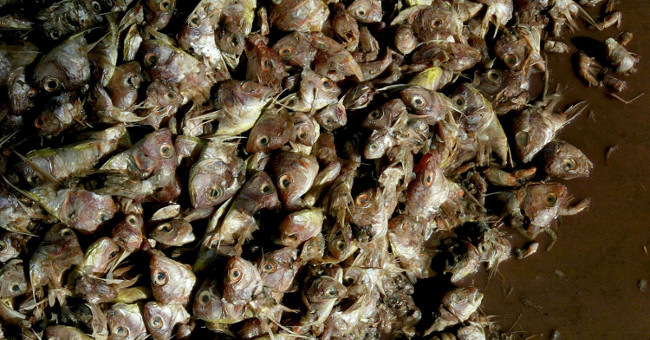
US researchers warn climate change due to human impact is reducing the amount of oxygen in some areas of the ocean and can create
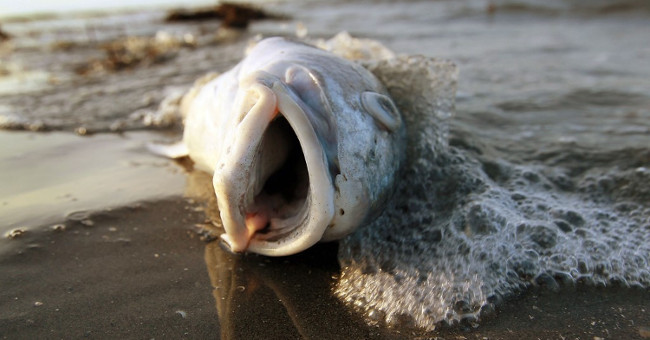
If unfortunately eating seafood contaminated by red tide, people who are poisoned can suffer from paralysis, diarrhea, memory loss and even death.

Due to the ability to kill marine life and threaten human health of red tide, American scientists have focused on monitoring as well as early detection of toxic algae bl…
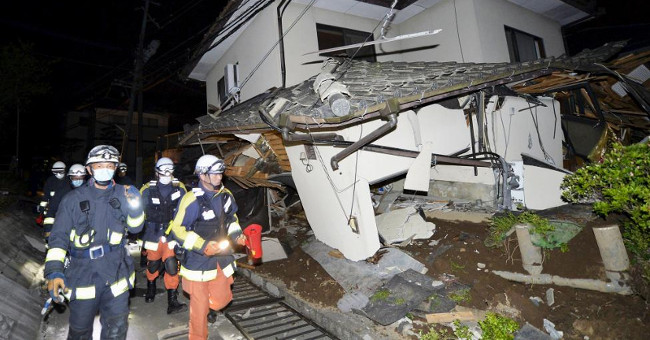
Surely many people will be surprised to know that every year the earth suffers from about half a million earthquakes from mild earthquakes people do not feel the strong…

Listening through is really nothing interesting, the plan has a name
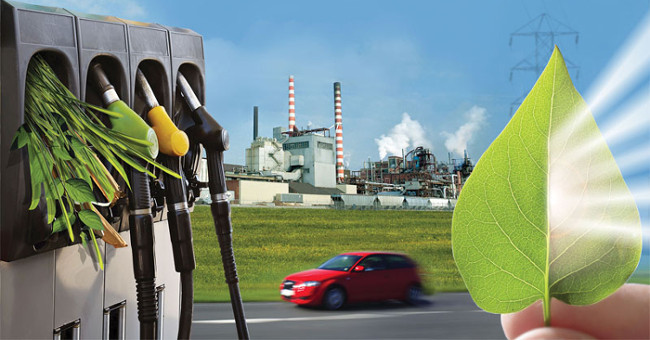
Many states have mercury levels in the rain that exceed the danger for humans.
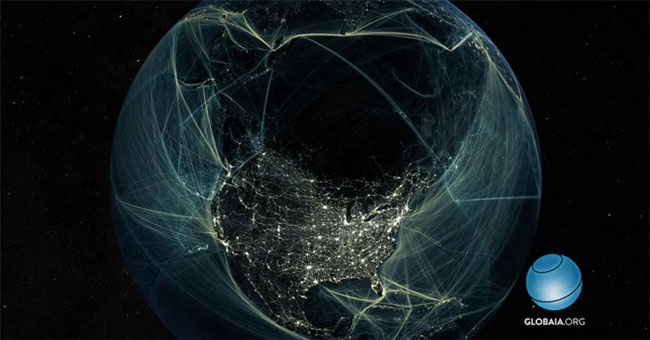
The question most concerned by experts is when did Anthropocene begin?

Humanity will face the next ice age more than 50,000 years later than the inherent rule. The reason is due to global warming that the culprit is human.

Ocean surface temperature has increased to 1 degree C in the past 1 year, a record increase in the history of WMO research.

The megacities continue to grow, even in Antarctica, to meet the human living space but threaten the primeval forests on Earth.
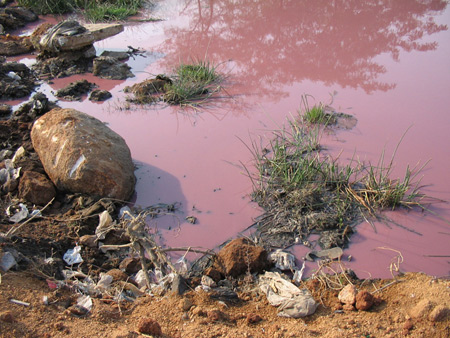
Cooking with charcoal is one of the leading threats to human health. Meanwhile, contaminated surface water is even more frightening than radioactive waste
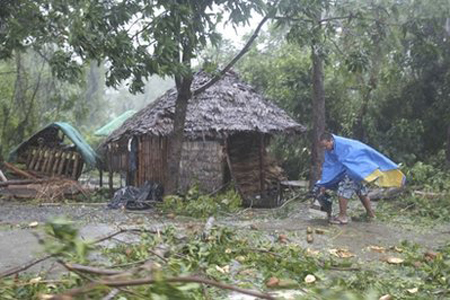
The scientific world thinks that the power of a storm cannot increase to an infinite level and the strongest storm that humans can measure ...
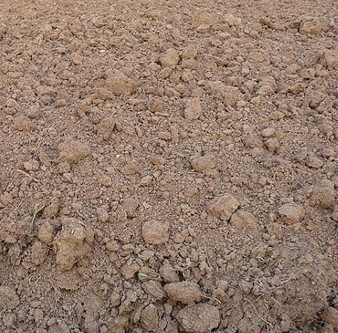
Recent scientific studies show that if there are no timely interventions, humans may lose one-third of food land in the near future.