
Discover science
Explaining why human ancestors used to eat each other before evolving into what we are today
Is it true that in ancient times, people ate other people's flesh to avoid harm?
Browse ScienceInfo articles and explainers related to Humans.
950 published items.
Is it true that in ancient times, people ate other people's flesh to avoid harm?
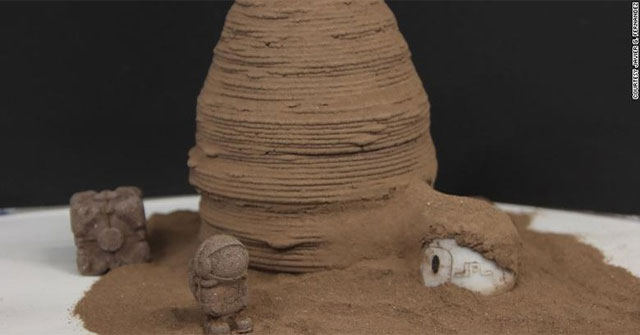
A simple manufacturing technology based on chitin, one of the most common organic polymers on Earth, could be used to build tools and shelters on Mars.

Humans might have lived to the age of 200 if not for a catastrophic event.
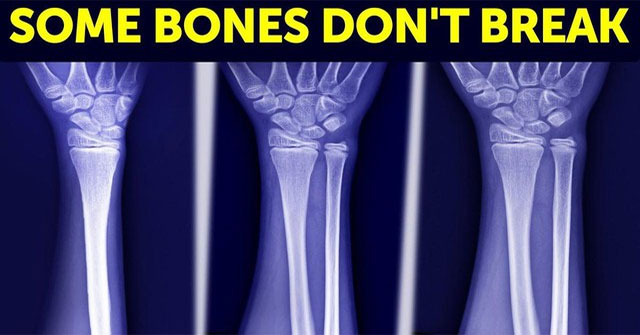
Although scientists have not yet discovered the genes that give people superpowers, they have indeed discovered some genes that can influence certain human abilities.
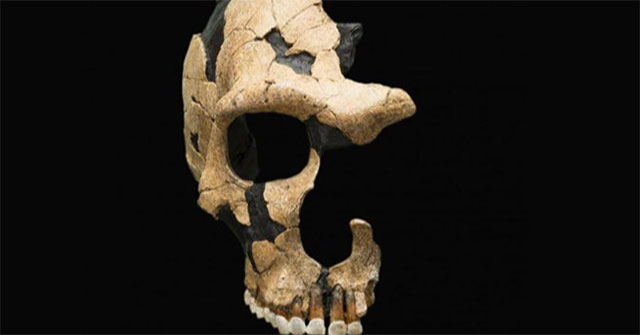
A new study has found

If humans were born on the Moon, there would be many changes. This is what scientists warn.

A facial feature that many people are proud of is a clear trace of interspecies marriage between Homo sapiens ancestors and an extinct human species.
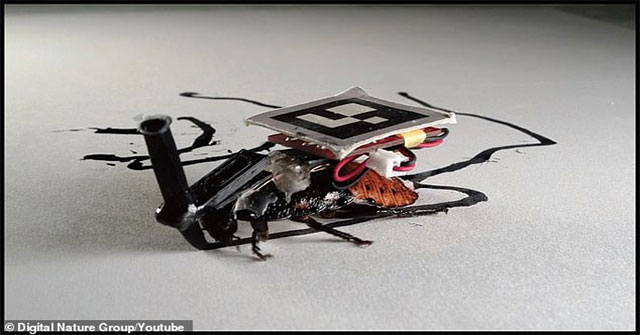
The researchers say these cyborg cockroaches can move things around the house, draw things on paper, etc.
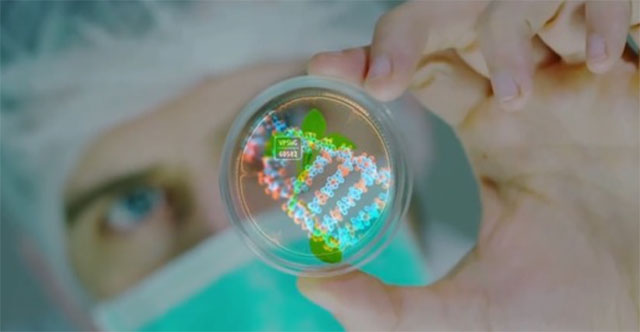
Where did we come from and where are we going? This is a question that humans have pondered since ancient times and is also a direction that scientists are constantly ex…
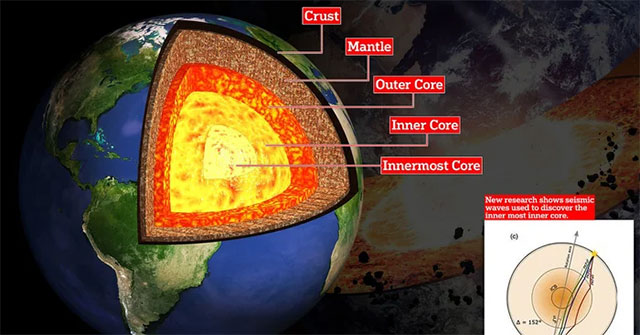
The temperature of the Earth's core is about 6,000 degrees Celsius, higher than the surface temperature of the Sun. Furthermore, the Earth's core is larger than the core…

Crows are highly intelligent animals with the ability to learn and remember. New research has shown that crows have the same cognitive abilities and sense of the world a…

In science fiction movies, characters use special machines, even hop into a futuristic car to travel back or forth in time.

In 2024, space missions will no longer be limited to low Earth orbit and the Moon. We are aiming for bigger and further goals.
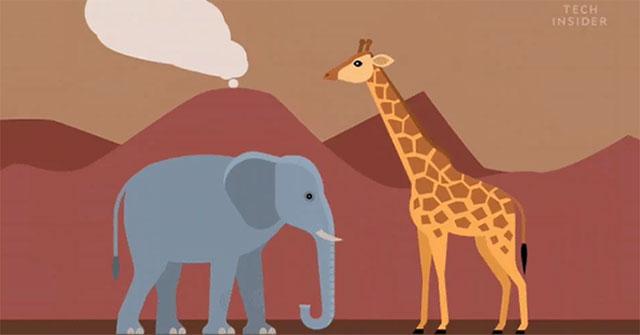
By conventional reckoning, the giraffe is the tallest animal still living on Earth.
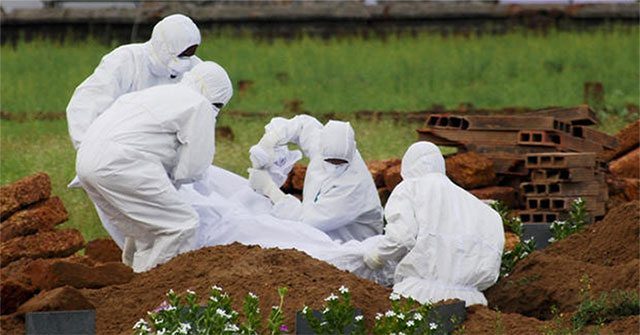
To date, there is no vaccine to prevent or cure Nipah virus infection. The disease has a mortality rate of about 70%.