
Medicine - Health
Why do young children often get sick?
Scientists found that babies are very easy and often sick, because their immune systems are immensely
Browse ScienceInfo articles and explainers related to Immune System.
100 published items.
Scientists found that babies are very easy and often sick, because their immune systems are immensely

Vitamin A is indispensable in promoting good vision, immune system function and even ensuring reproductive health (especially in women).

Family stress can lead to the immune system of affected children, a team has demonstrated this.

Winter has favorite holidays, but there are many troubles, including cold air, flu and cold symptoms.

Nina has the appearance of a healthy child but her body is unable to resist any kind of bacteria, even the weakest. That means coughing or sneezing can kill you.

In our bodies, the main function of mucus is a protective layer that keeps the underlying tissues always wet and prevents outside bacteria and microorganisms from enteri…

The development of the immune system in newborn babies and vitamin D levels vary depending on the month of birth, a new study suggests.
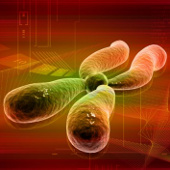
Scientists in the United States found signs in the immune system showing the possibility of a person being susceptible to colds. The research team from Carnegie Mellon U…

The aging process even causes our immune system to lose its

The new finding shows that gravity changes like the situation that is affecting astronauts and scientists on the International Space Station (ISS) can affect the body's…
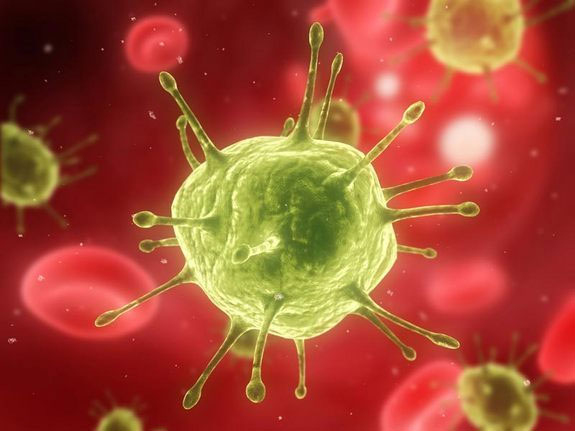
Research shows that, when HIV enters the human body, they produce a protein called vpu directly against the immune defense proteins. Normally, immune system proteins pre…
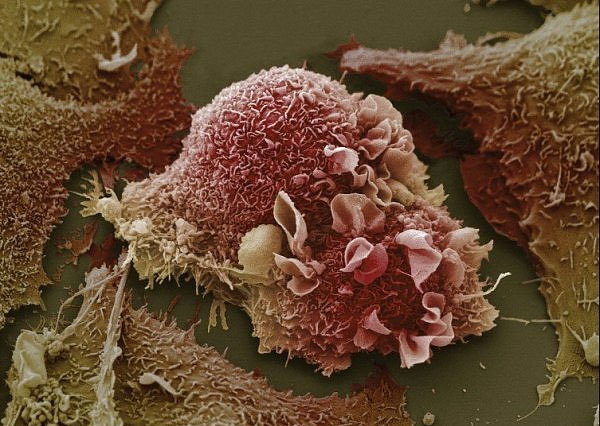
The findings of Australian scientists published on July 23 in the journal Nature show that breast cancer cells can neutralize the body's immune responses and allow the v…

According to DailyMail, babies with Nina have an extremely rare syndrome of 'young bubbles' and are so fragile that even a common cold can kill them. This syndrome descr…
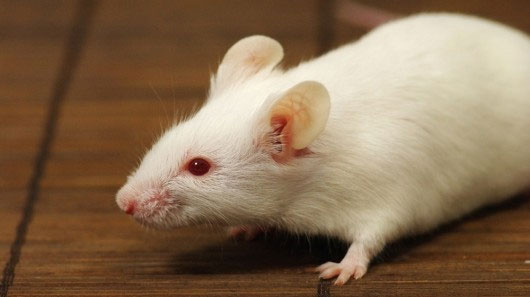
A research group led by Dr. Megan Sykes of Columbia University Medical Center has successfully created a human immune mouse, a type of mouse that helps the infected host…
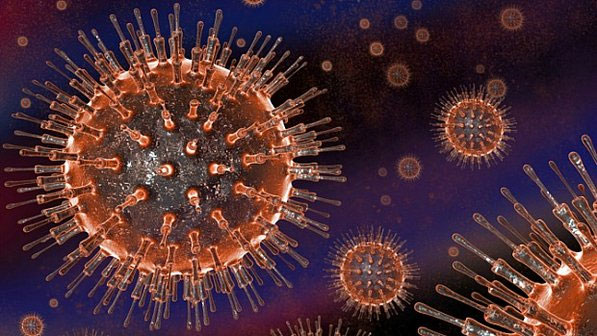
Recent studies have shown that immune cells, also known as dendritic cells, contain proteins that are able to counter the spread of HIV called SAMHD1.