
Photo library
Strange volcanoes in the world
Volcanoes are not just destruction and death. In many parts of the world, these fires create spectacular and poetic scenes.
Browse ScienceInfo articles and explainers related to Island.
1,999 published items.
Volcanoes are not just destruction and death. In many parts of the world, these fires create spectacular and poetic scenes.

The following are the most impressive photos in the 2009 National Photography Competition, organized by the University of Miami (USA).

The magnificent and untouched beauty of the 7 tundra (the bare areas with earthen floor that has been permanently frozen near the polar region) can fascinate the most de…
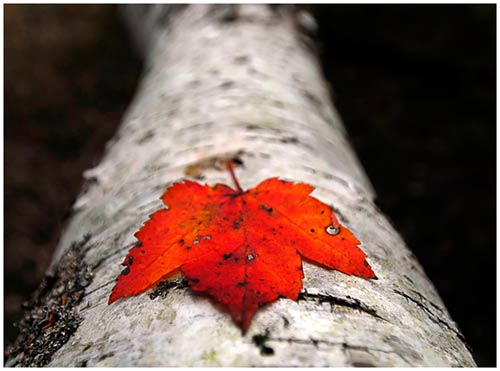
Red appears everywhere in nature, from dying stars to blooming flowers in the sunrise.
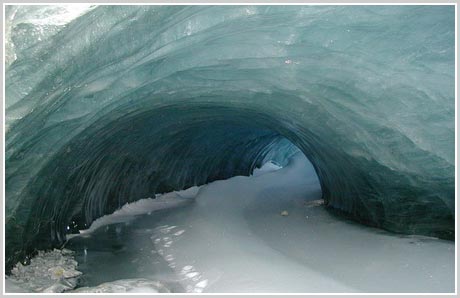
Antarctica is the coldest place on Earth. The gloomy winter in Antarctica lasts from June to September. Then around September 22, the first warm pink rays of spring will…
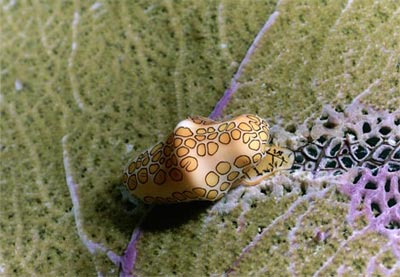
Small creatures like shrimps, crabs, sea slugs, sea cucumbers ... are also enough to create a colorful picture of the ocean world.

Oceanographers have discovered hundreds of new marine animals in the Great Barrier reef and a reef in northwestern Australia.
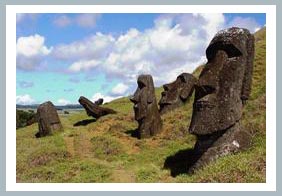
Rapanui Island of Chile is one of the most lonely places on Earth between the vast South Pacific Sea, 3,700km from the South American coastline, 1,000km from the nearest…
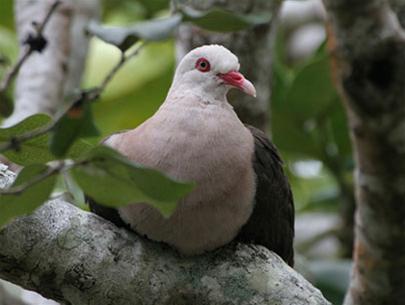
IUCN, a Swiss-based non-profit organization, has published a list of endangered animals in 2006. It is known that this list is published every two years. Following l & a…
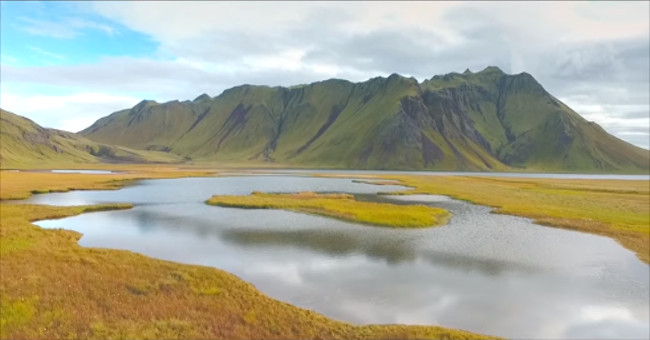
Through the short film, you will see the wonderful images of the island nation
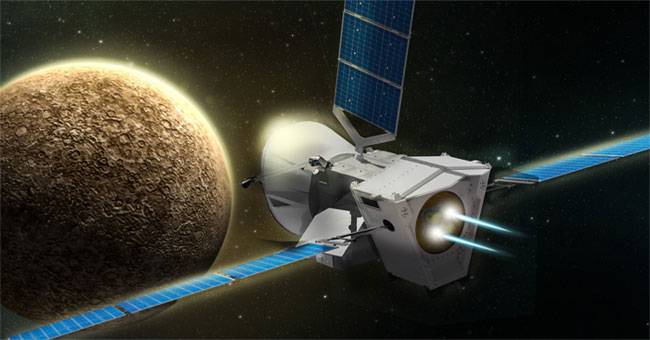
The European and Japanese Space Agency's BepiColombo ships depart from the French island of Guiana, starting the journey to exceed 9 billion km to Mercury.
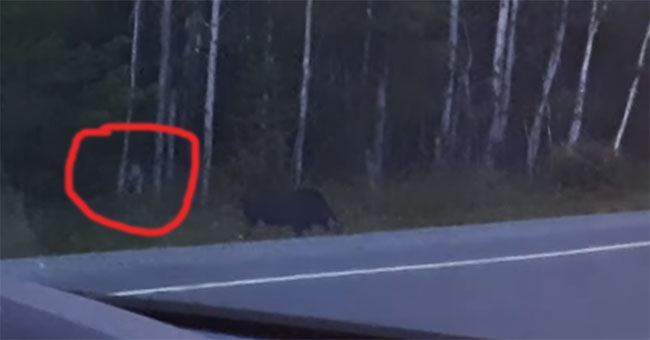
The Canadian man was not terrified to find a creature with a strange appearance in a forest at Gaspé Island, Québec.

Ancient people on Easter Island used ramps and tow ropes to wear hats for about 100 giant stone statues.

The people of a Filipino village were surprised to see the squid with a size larger than the whole.
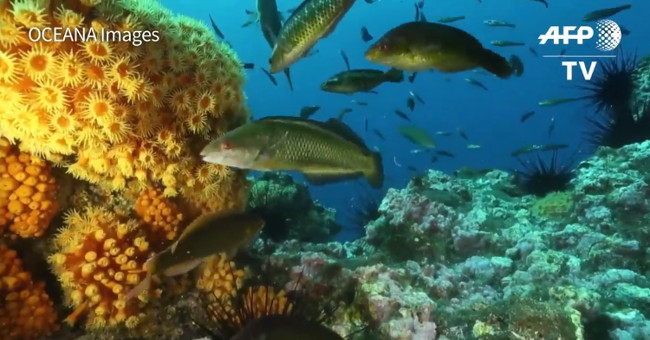
The park covers an area of 268,000 km2, helping protect the Juan Fernandez Islands biodiversity of Chile in the Pacific Ocean.