Environment
Earthquake near the damaged nuclear plant in Japan
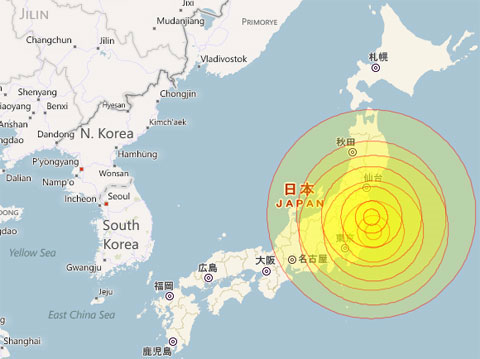
A strong earthquake today occurred near the damaged Fukushima Daiichi nuclear power plant in northeastern Japan.
Browse ScienceInfo articles and explainers related to Japan.
1,688 published items.
A strong earthquake today occurred near the damaged Fukushima Daiichi nuclear power plant in northeastern Japan.

Japanese farmers are adopting a new method of pesticides and weeds by dropping ducks into the field.
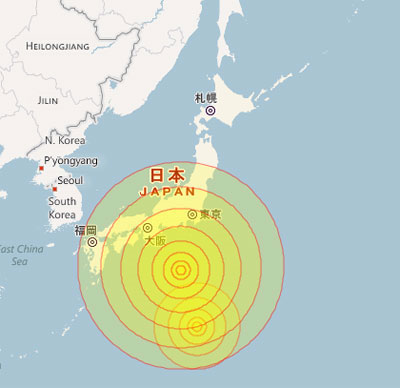
AFP quoted Japan Meteorological Agency as saying that not only Tokyo but also many surrounding areas shook in an earthquake at 14h28 local time. The epicenter of Torishi…
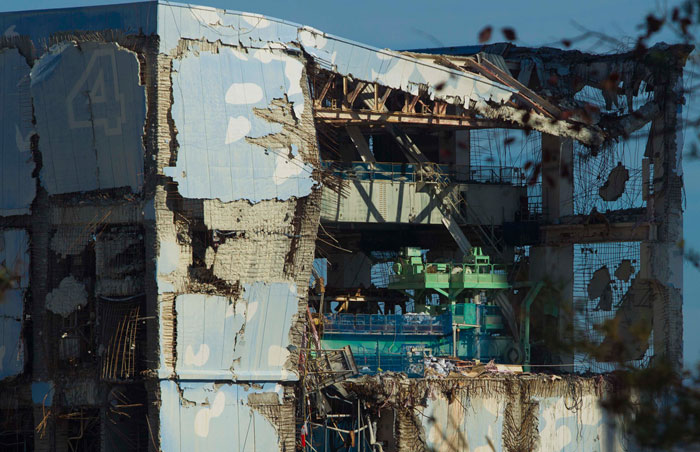
Efforts to bring the reactors in the Fukushima I nuclear power plant in northeastern Japan to a state of permanent shutdown may last up to 2050.
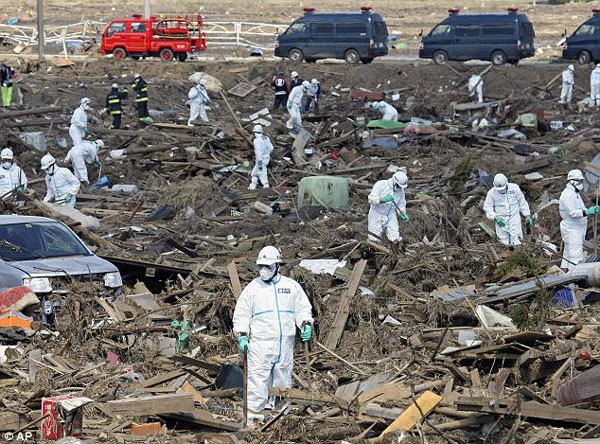
The lack of preparation and failure to respond to incidents is the cause of the nuclear crisis in Fukushima.
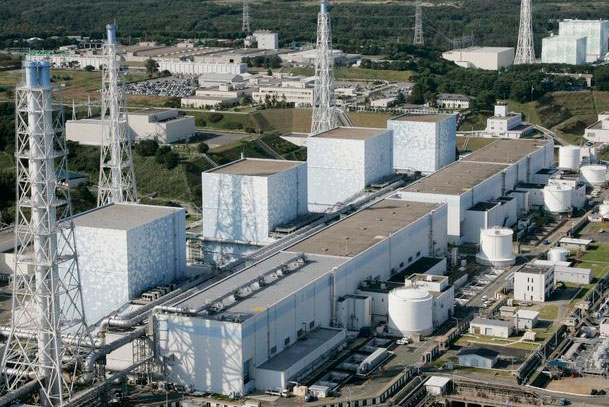
Waste water containing radioactive materials from Japan's Fukushima I nuclear power plants leaked to the Pacific Ocean.
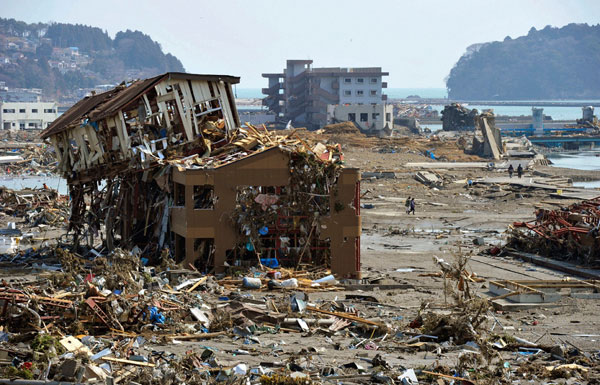
The earthquake in March created two tsunamis and they overlapped, causing the level of devastation to skyrocket when the waves hit the shore.
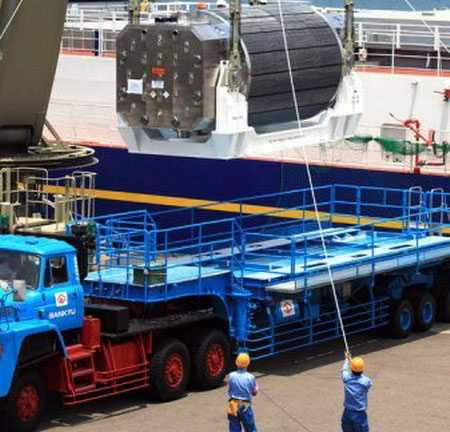
Genkai nuclear power plant in Saga Prefecture, south of Kyushu region (Japan) has leaked 1.8 million tons of radioactive water from the cooling system, but has no enviro…
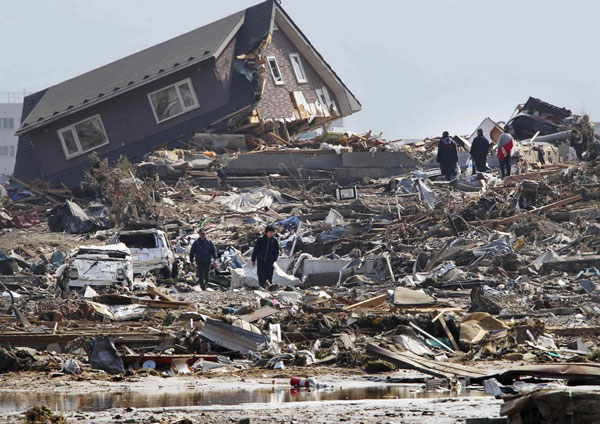
A 6.1-magnitude earthquake just happened on November 24, off the northeastern coast of Japan, which has just suffered a tsunami disaster in March.
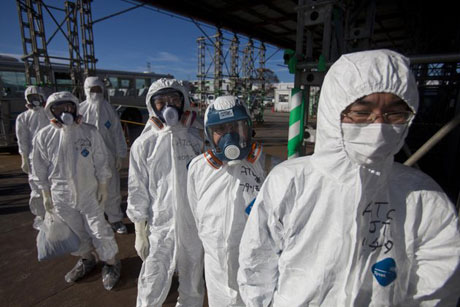
Japanese scientists say most of the radioactive material released from the Fukushima nuclear power plant has fallen into the sea and circulated around the planet.

The Japanese government banned the export of rice produced in Fukushima, after the test results showed that the rice in this area contained radioactive cesium exceeding…
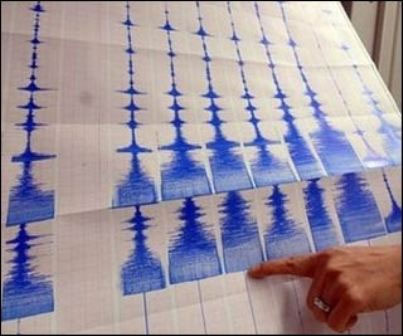
On November 7-8, two intense and moderate earthquakes happened, in turn shaking Japan's Okinawa island and Mindanao in the Philippines.

An expert panel of the Japan Atomic Energy Commission concluded that the Fukushima nuclear power plant could only stop completely after at least three decades.
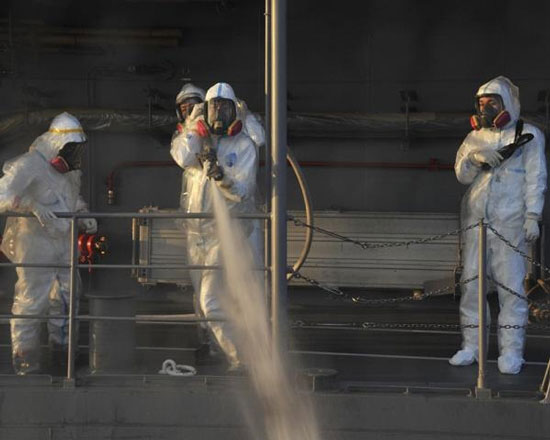
There are some signs of nuclear decay that may have occurred at the Fukushima I power plant. But the Japanese nuclear agency later confirmed there is little possibility…
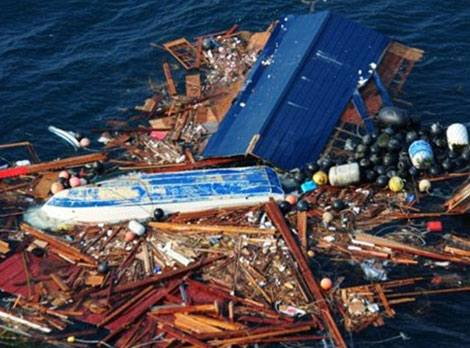
The huge amount of garbage caused by the tsunami in March in Japan is floating in the ocean and heading towards the US, scientists said.