Environment
Japanese power plant is safe in super typhoon
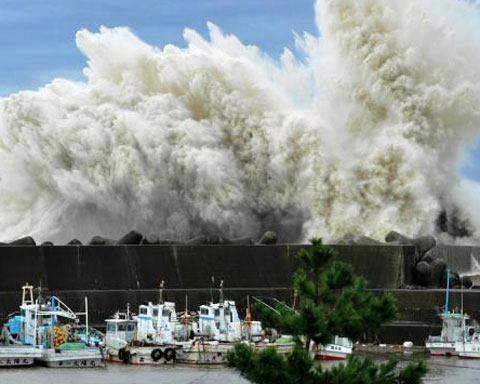
The powerful Roke storm yesterday swept across the Fukushima I power plant shortly after a seismic hit, but the nuclear facility was not seriously damaged.
Browse ScienceInfo articles and explainers related to Japan.
1,688 published items.
The powerful Roke storm yesterday swept across the Fukushima I power plant shortly after a seismic hit, but the nuclear facility was not seriously damaged.
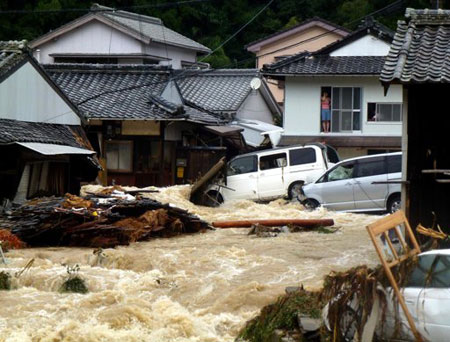
At least 20 people were killed and 50 people were missing in Japan after Typhoon Talas hit the western and central parts of the country.
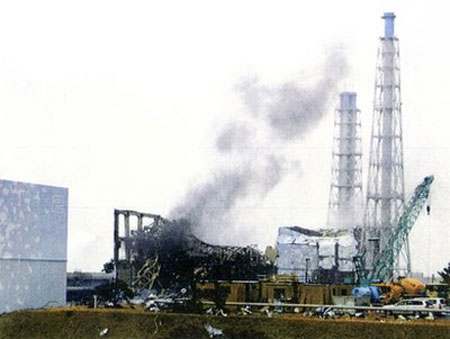
The area around Japan's Fukushima I nuclear power plant may become a forbidden area for several decades because the concentration of radiation there has reached a very d…
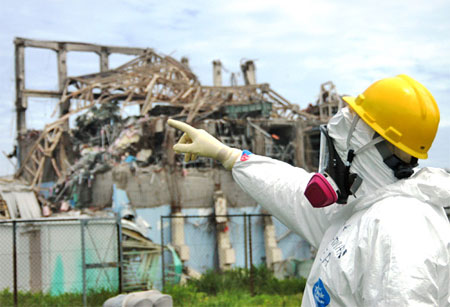
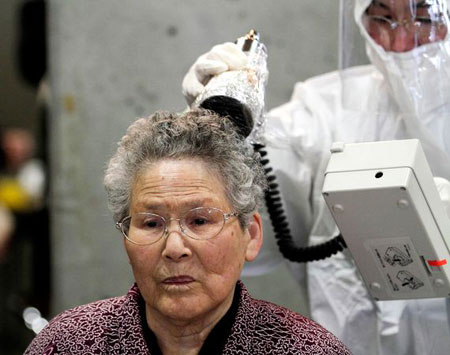
A newspaper in Japan said that radioactive cesium-137 leaked from Fukushima I nuclear power plant equivalent to more than 168 atomic bombs falling on Hiroshima city duri…
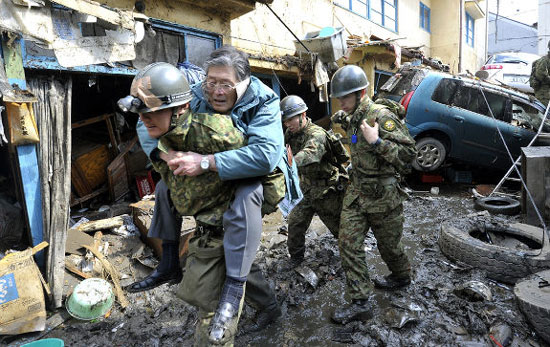
Japanese and international scientists will conduct exploration, studying the mechanism of the March 11 earthquake in the country that has killed tens of thousands of peo…
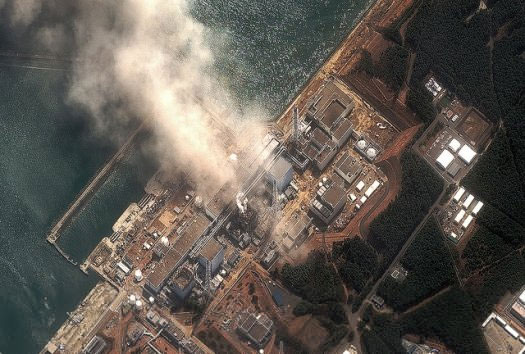
On August 16, Kyodo news agency said US scientists have discovered a small amount of radioactive sulfur dispersed from Japan's No. 1 Fukushima nuclear power plant on the…
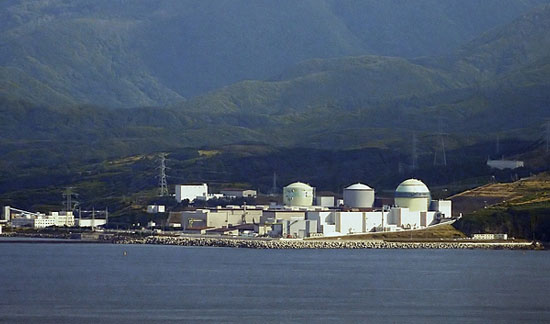
Japan yesterday approved the first nuclear reactor to resume operations after the March 11 earthquake and tsunami.
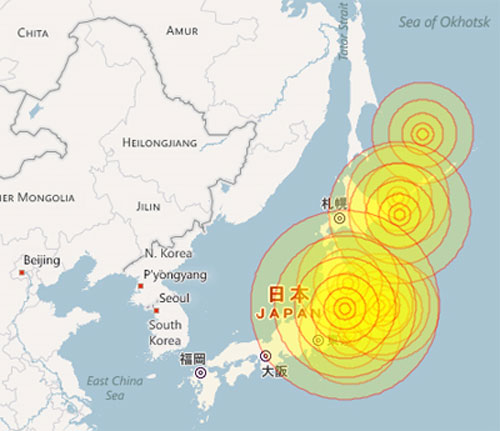
A 6.8-magnitude earthquake has just happened on the northeast coast of Japan, right in the double disaster area in March, causing a tsunami warning to be made.
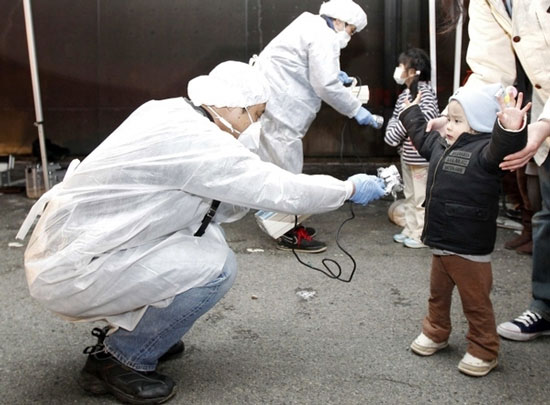
Nearly a quarter of the medical samples of children living in areas of radioactive contamination from the Fukushima nuclear power plant (Japan) give positive results for…
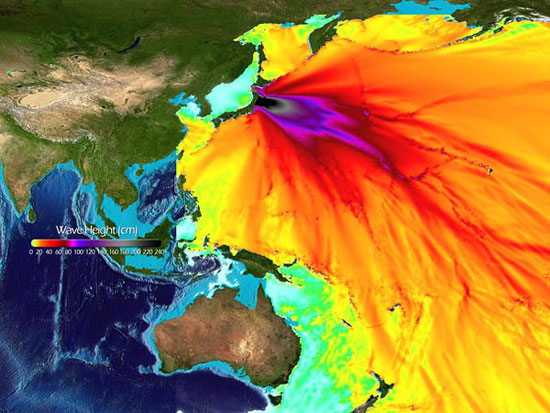
The record seismic in March in Japan was so strong that its shockwave nearly exceeded the atmosphere.
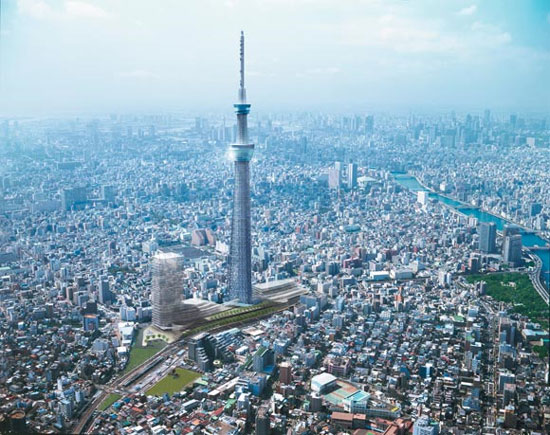
The Japanese government will consider building a backup city for Tokyo to deal with terrorist attacks or major natural disasters.
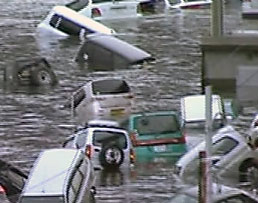
The tsunami on March 11 in Japan was so powerful that it broke many large blocks of ice in Antarctica, a few thousand kilometers from Japan.
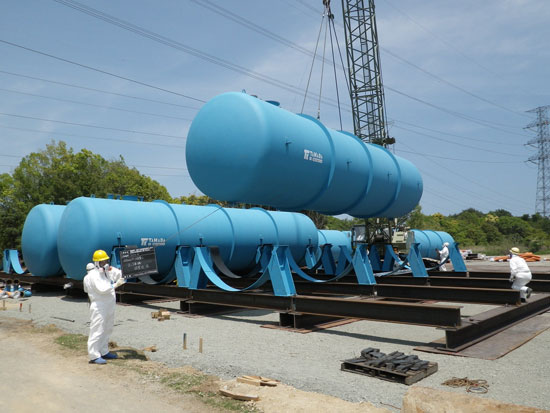
New materials in the form of silicon dioxide compounds (SiO2) can absorb radioactive iodine and strontium by changing the compound type.
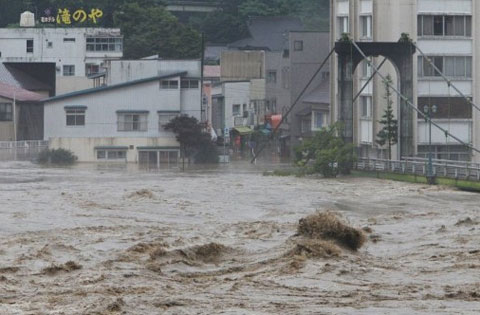
A strong earthquake of 6.4 Richter occurred in Fukushima Prefecture, northeastern Japan this morning, but did not pose a tsunami risk.