1001 mystery
Hidden secrets in forgotten Angkor Wat
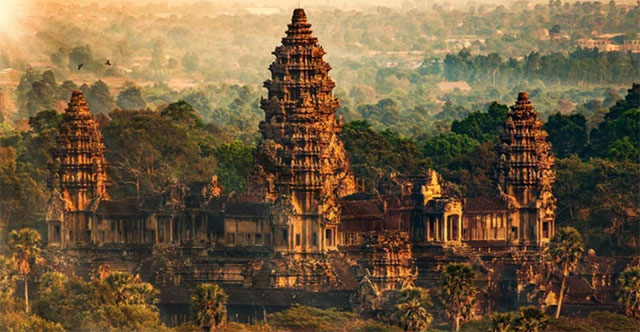
Angkor Wat is known as the most famous complex when traveling to Cambodia. UNESCO has recognized Angkor Wat as one of the seven wonders of the world.
Browse ScienceInfo articles and explainers related to Khmer.
17 published items.
Angkor Wat is known as the most famous complex when traveling to Cambodia. UNESCO has recognized Angkor Wat as one of the seven wonders of the world.
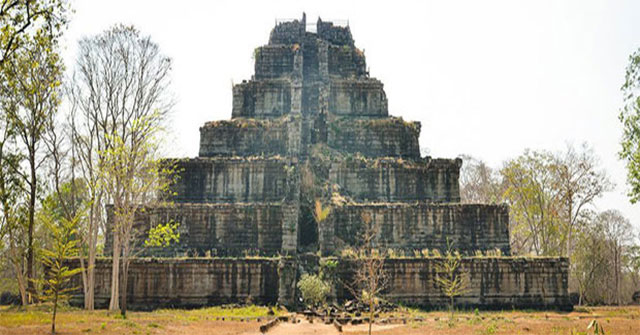
The ancient Khmer empire to this day is still considered one of the powerful empires in the history of ancient Southeast Asia.

The people of his hometown still engrave and transmit his story forever as an infinite pride and gratitude.

Angkor is not always the capital of the Khmer Empire. There was a time when it was moved to another place, only that place collapsed so quickly.
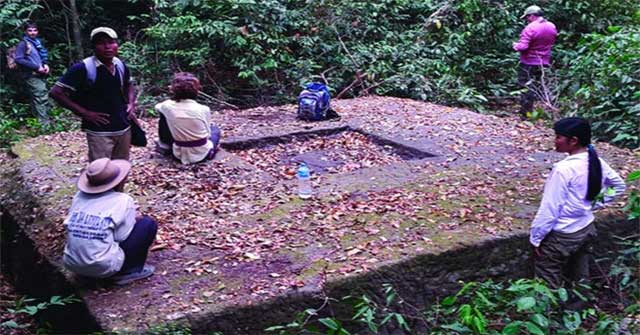
Archaeologists have discovered Mahendraparvata city deep in the jungle of Cambodia.

The device was successfully invented after only 30 days of testing. In particular, the price of the device is only about 300,000 - 400,000 VND.
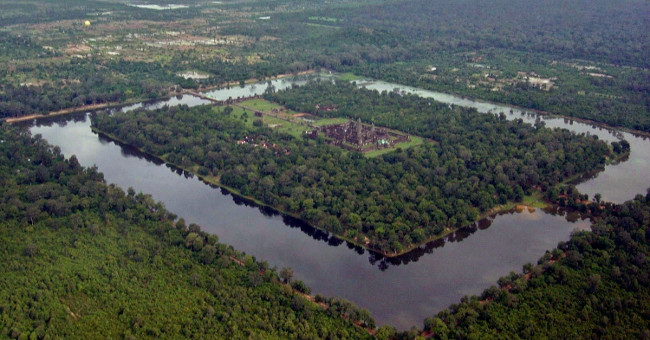
Boeng Mealea is a temple in the Angkor Wat complex, considered to be the version of Angkor Wat, which is believed to be the burial place of the great king Suryavarman II
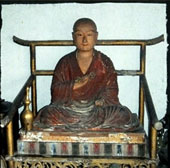
Venerable Ly Long Cong Danh, head of Cai Ban pagoda, said that he had never seen his esoteric mummification fail.
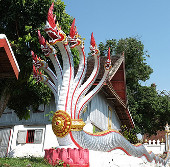
Nāga is an animal in Hindu tradition with a solid body often described with many scary heads: beard, dog's muzzle, protruding eyes and human-like.
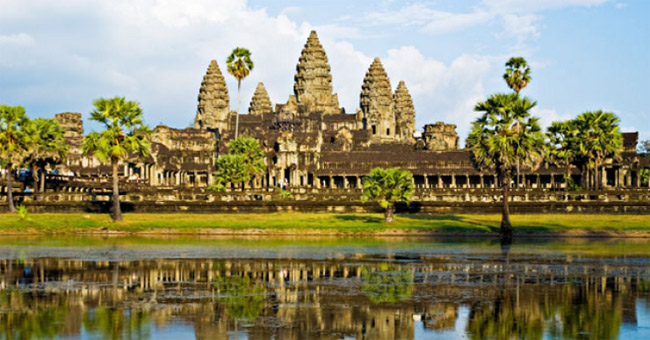
In 1992, the United Nations Science, Education and Culture Organization recognized the Angkor population as a World Cultural Heritage.
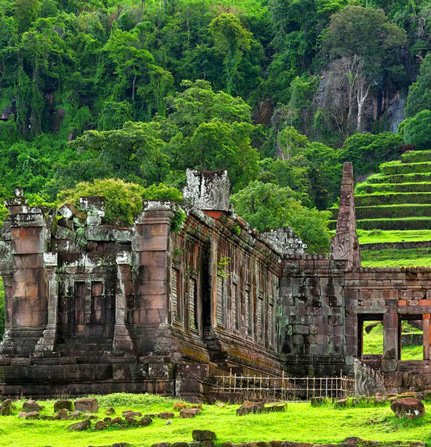
The United Nations Science, Education and Culture Organization has recognized Wat Phou temple of Lao People's Democratic Republic as a World Cultural Heritage in 2001.
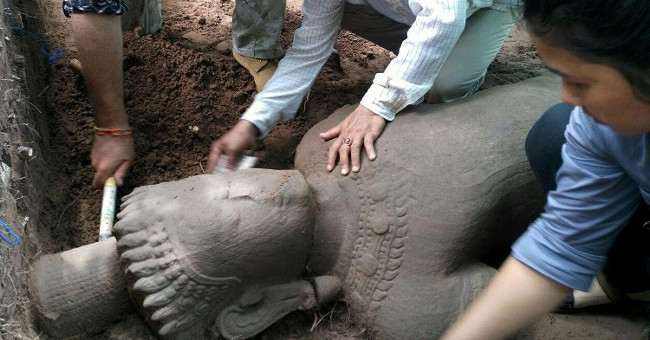
According to Angkor's governing body, the newly discovered statue, nearly 2 meters tall, was carved from the end of the 12th century to the beginning of the 13th century…
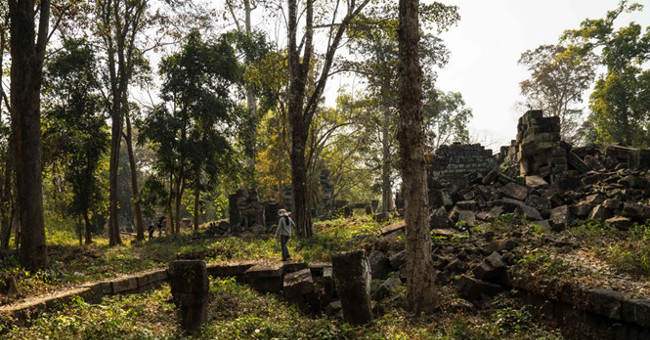
Archaeologists have discovered many ancient strongholds near Cambodia's Angkor Wat ruins, according to The Guardian.

Australian archaeologists' research shows the existence of mysterious towers beneath the temple of Angkor Wat.

Climate change may be the indirect cause of the collapse of the Khmer kingdom in Cambodia nearly 600 years ago.