
Discover science
What is LNG?
LNG (Liquefied Natural Gas) is a natural gas liquefied by deep cooling to minus 160oC after removing impurities. LNG has a major component of methane.
Browse ScienceInfo articles and explainers related to LNG.
4 published items.
LNG (Liquefied Natural Gas) is a natural gas liquefied by deep cooling to minus 160oC after removing impurities. LNG has a major component of methane.

Starting in 2011, Indonesia will carry out the conversion of CBM (Coal Bed Methane) coal into liquefied natural gas (LNG).
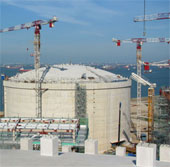
Singapore is conducting a research project to build the second natural gas liquefied gas (LNG) port with a capacity of 9 million tons annually.
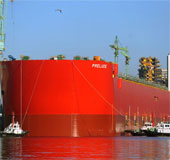
The Prelude will receive natural gas and turn it into liquefied petroleum gas (LNG) for Shell. Then from the Prelude will transfer liquefied gas to the transport vessels.