
Scientific works
China built the world's largest smoke research laboratory
The Chinese government has approved a project to build an artificial smoke facility that allows scientists to find new ways to reduce environmental pollution.
Browse ScienceInfo articles and explainers related to Labor.
307 published items.
The Chinese government has approved a project to build an artificial smoke facility that allows scientists to find new ways to reduce environmental pollution.
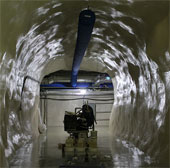
To cater to studies of the composition of the universe such as particle physics or dark matter, experts have built many special underground laboratories.
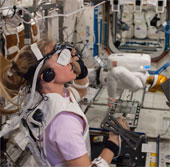
Built on the basis of passenger aircraft YAK-42D, this is considered the world's first and most modern aircraft and laboratory in the past 20 years.
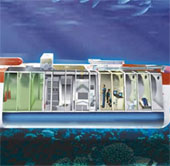
China is currently planning to build the first undersea laboratory to operate at a depth of 2,500m, Wenweipo in Hong Kong revealed.
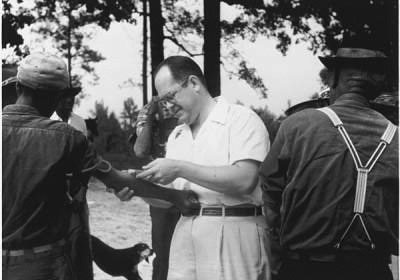
In the 1940s, about 1,300 prisoners, mental patients and Guatemalan prostitutes were infected with syphilis, gonorrhea and other sexually transmitted diseases by some US…

A 22-member committee of the US National Science Foundation (NSF) agreed to choose the Homestake gold mine in South Dakota to build a large underground laboratory.

At 80, Sue Finley is still working at the Jet Propulsion Laboratory (JPL) of the US Aerospace Agency (NASA).
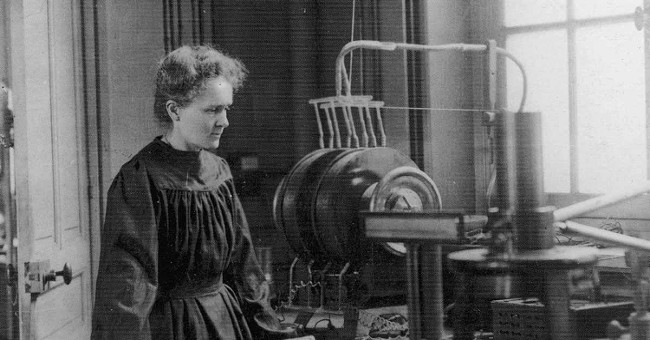
No need for a modern laboratory or advanced equipment can come up with a great idea. Marie Curie became the famous female scientist from the most humid and shabby room a…

A 32-year-old HIV disease scientist lingers in the laboratory to complete the freezing of blood samples in liquid nitrogen.
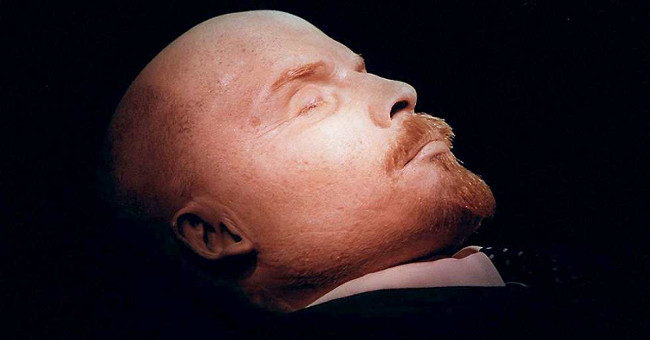
At the peak of the period, the laboratory had 200 working professionals at the Lenin mausoleum in Moscow, Russia.
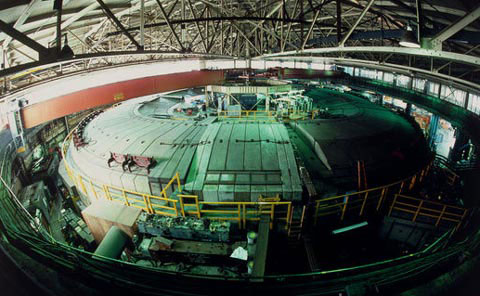
In the field of super heavy element science; The study found new elements to fill the last empty cells and extend the periodic table of chemical elements, ...

Despite many achievements, the science and technology sector is facing many challenges, including work
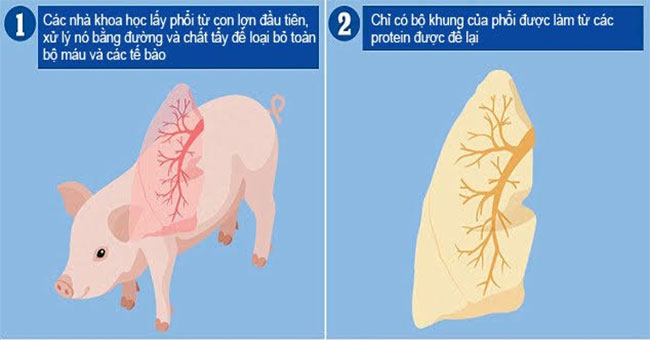
Lung transplantation can save thousands of lives every year, but the source of organs is very limited and most patients will die while waiting for organs from donors.

When faced with pressure - whether from life or work - our bodies will have the same reaction.
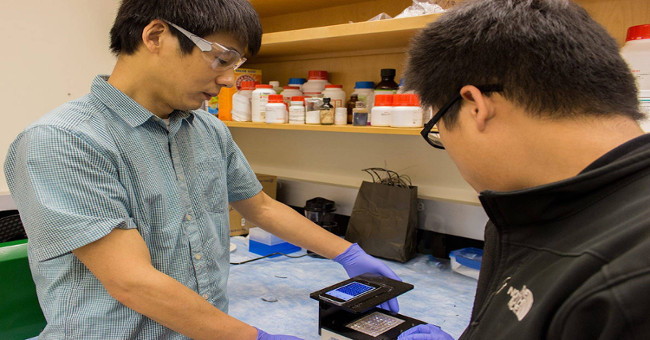
Washington State University scientists have successfully developed a lab model on smartphones.