
Medicine - Health
Successfully developed miniature human brains in the laboratory
This achievement can help researchers develop larger human brains. In the future, they hope to use this brain cell to treat stroke patients.
Browse ScienceInfo articles and explainers related to Labor.
307 published items.
This achievement can help researchers develop larger human brains. In the future, they hope to use this brain cell to treat stroke patients.

According to Bgr, many people today do not want to eat meat or animal products for moral reasons.
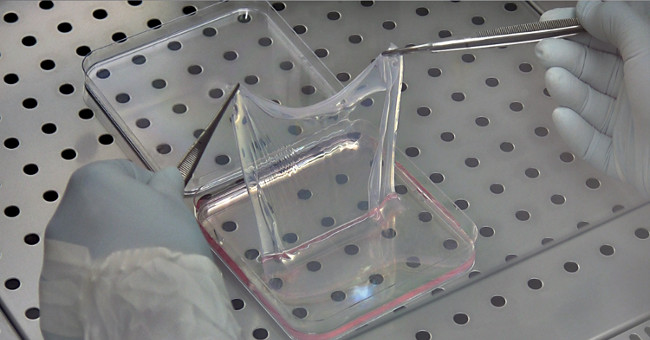
Like a tree planted, scientists have raised very small pieces of human skin, growing up to cover the body of a 9-year-old boy who lost 80% of skin.
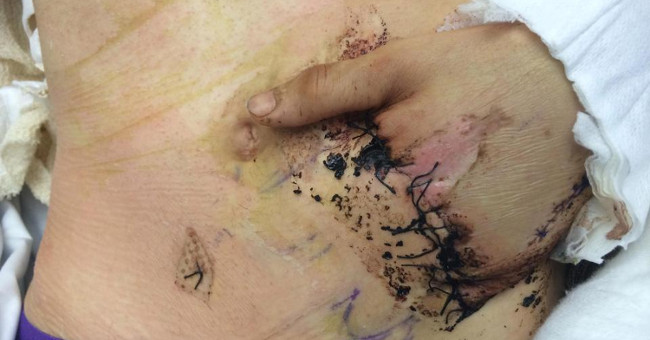
British doctors decided to open an incision in the abdomen, sewing the boy's hand into his stomach.
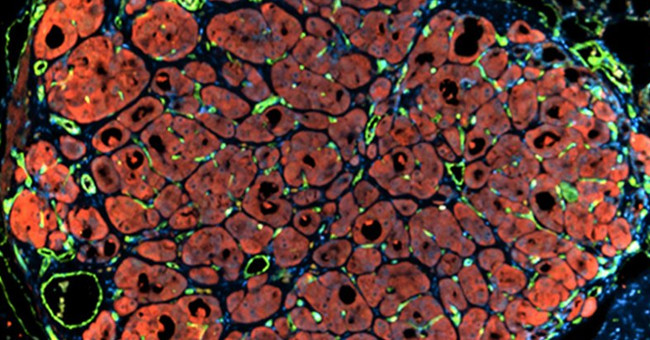
The research team includes several US research institutes. They created sub-sections of liver tissue, then transplanted into mice with damaged liver.
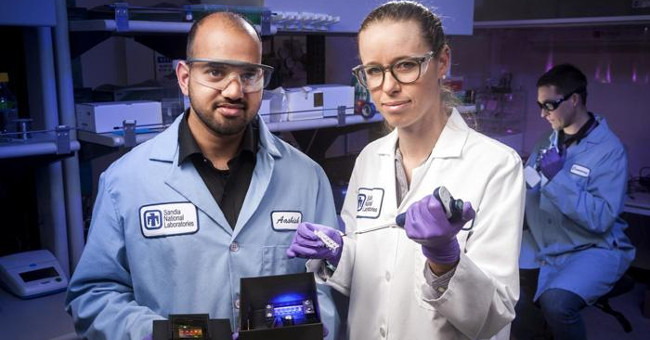
Scientists have developed a program that allows health workers to quickly diagnose diseases from mosquitoes such as Zika, dengue fever, chikungunya with smartphones (sma…

This new test method is conducted through a sensor developed by CSIC scientists. The device is capable of detecting p24 antigen, a protein found in HIV, in human blood.

For the first time in history, scientists have been able to monitor and develop human embryos for at least the first 13 days.

A brain with a mini-ruler has just been successfully cultured in the laboratory from human cells to support a more effective drug testing process than the previous mouse…
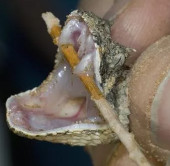
According to warnings from experts from the Doctors Without Borders (MSF), the most effective anti-venom vaccine against Fav-Afrique will become scarce next year.

Most women may be afraid of having to leave without a husband next to them. However, according to a new study, that is actually better for them.

With Modern Meadow, an artificial meat start-up company, the biggest challenge is to persuade customers to eat laboratory-made meats.
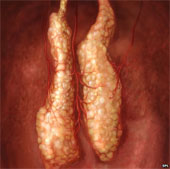
In the past, researchers have cultivated the organ's success in laboratory animals, but the process has yet to be applied in living organisms that are extremely complex…
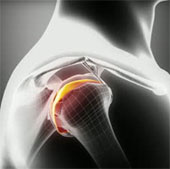
For the first time, scientists have successfully cultured human cartilage in the laboratory thanks to stem cells taken from adipose tissue.

The Kyoto University Laboratory, which is conducting experiments on pluripotent stem cells (iPS), has been warned by the Japanese Ministry of Science about the blame for…