
Science story
The giant 'inventors' at Berkley
In the field of super heavy element science; The study found new elements to fill the last empty cells and extend the periodic table of chemical elements, ...
Browse ScienceInfo articles and explainers related to Laboratory.
519 published items.
In the field of super heavy element science; The study found new elements to fill the last empty cells and extend the periodic table of chemical elements, ...

Despite many achievements, the science and technology sector is facing many challenges, including work
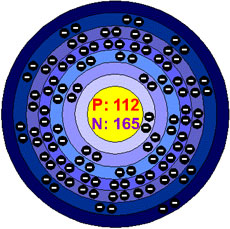
The naming of new elements in the Periodic Table of Chemical Elements used to be a story filled with discord and discord that is not worth the world science world.
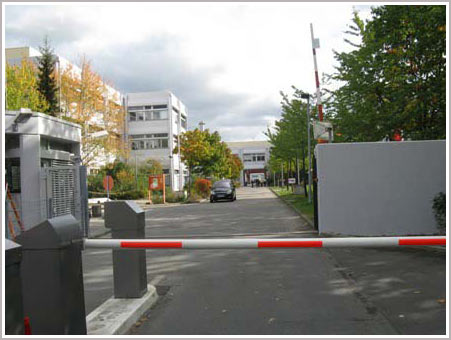
It was here that 6 new super heavy elements were invented, filling 6 empty cells in the Chemical Periodic Table. And that also attracts the admiration and footsteps of t…
Black bottles containing carbon nanotubes with large applications, seen with the naked eye, are easy to imagine, including coal powder. In fact, it is a high-tech produc…
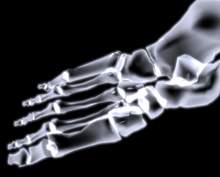
Luck happened on the evening of November 8, 1895, after leaving the laboratory for a while, remembering to forget to break the high-voltage circuit breaker that led into…
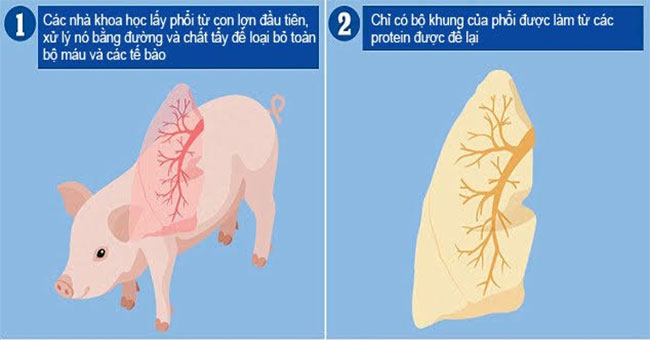
Lung transplantation can save thousands of lives every year, but the source of organs is very limited and most patients will die while waiting for organs from donors.
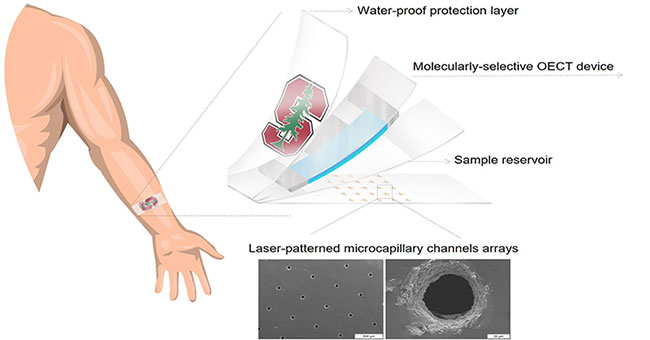
This patch can be stretched, placed directly on the skin, detects sweat and assesses how much cortisol a person produces.
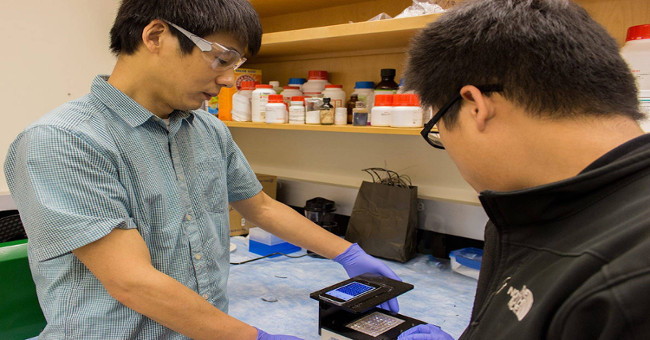
Washington State University scientists have successfully developed a lab model on smartphones.

This achievement can help researchers develop larger human brains. In the future, they hope to use this brain cell to treat stroke patients.
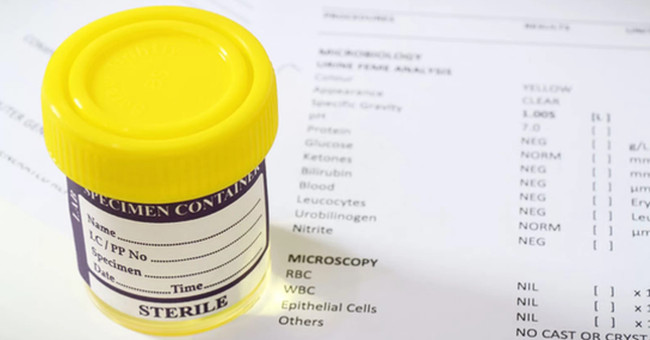
Scientists from the International Geriatric Laboratory - Beijing Hospital and the National Geriatric Center (China) have identified a special chemical in the urine.
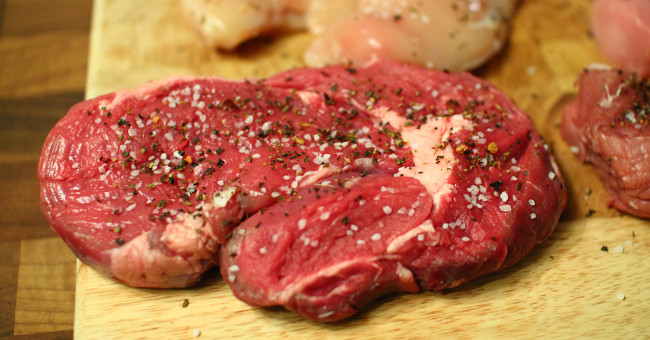
According to Bgr, many people today do not want to eat meat or animal products for moral reasons.
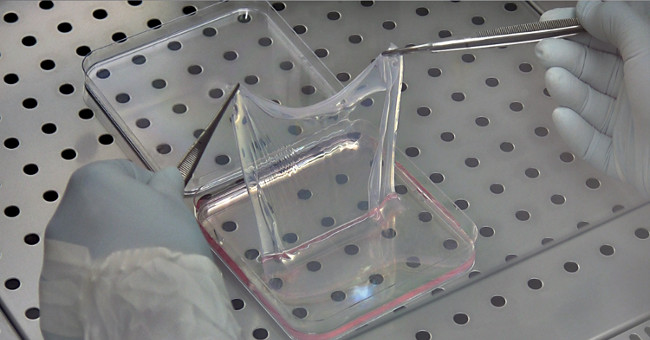
Like a tree planted, scientists have raised very small pieces of human skin, growing up to cover the body of a 9-year-old boy who lost 80% of skin.
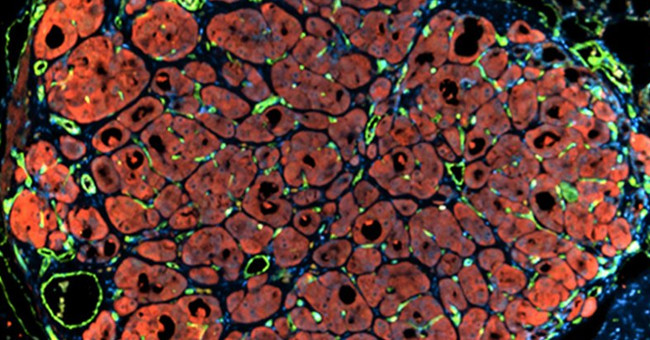
The research team includes several US research institutes. They created sub-sections of liver tissue, then transplanted into mice with damaged liver.
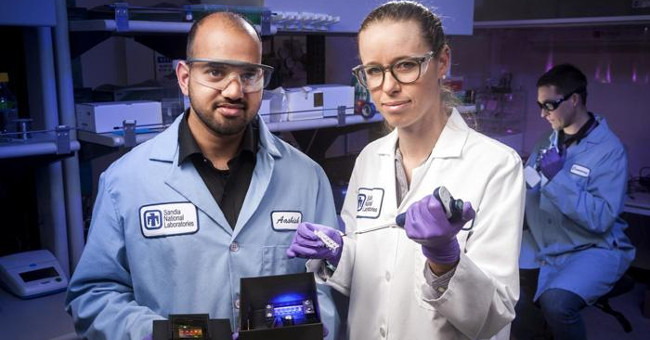
Scientists have developed a program that allows health workers to quickly diagnose diseases from mosquitoes such as Zika, dengue fever, chikungunya with smartphones (sma…