Space science
Photographing the past - a surprising discovery in the scientific world
We all dream of traveling in time, carrying our cameras and going back to the past to take unique pictures.
Browse ScienceInfo articles and explainers related to Lens.
160 published items.
We all dream of traveling in time, carrying our cameras and going back to the past to take unique pictures.
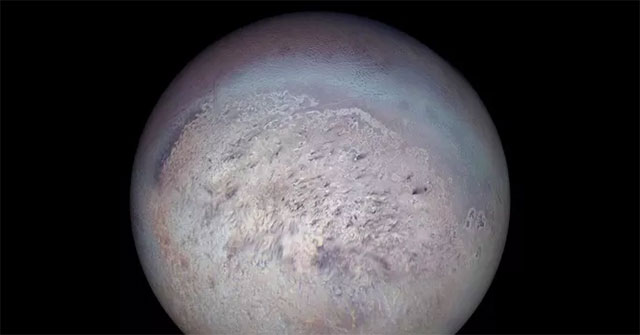
Neptune's beautiful moon, Neptune, shines a light purple through the lens of a NASA spacecraft, can possess an ocean of life.
Almost everything in the universe has mass, from atoms and subatomic particles, to huge groups of galaxies.
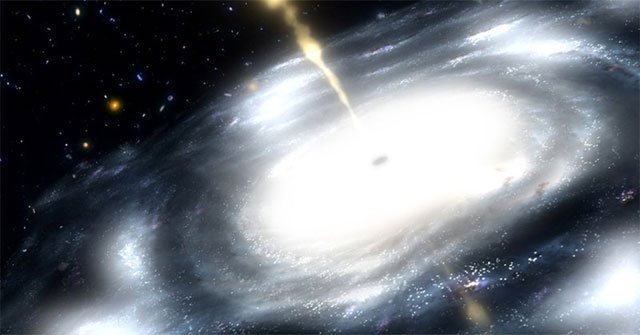
Thanks to the phenomenon of gravitational lensing, astronomers have observed the activity of a black hole in the center of the galaxy 11 billion light-years away.
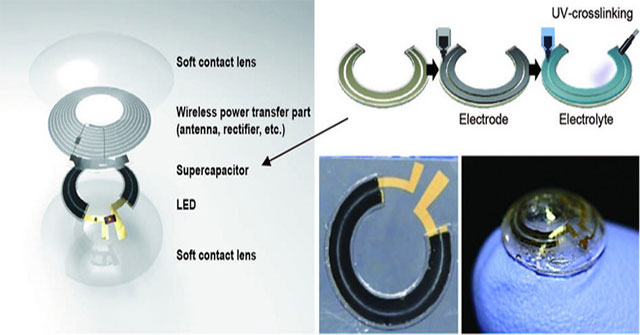
Out of the brain chip and then the smart contact lens, not so much that people evolved into half biological and half mechanical.
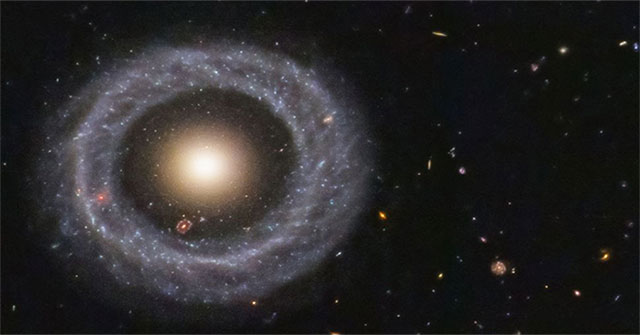
The origin of Hoag, the galaxy with a special shape, has been a mystery of science for nearly 70 years.

Canon engineers developed a camera lens that draws air in, rotates the airflow in the body, and eventually pushes them out of the camera.

Researchers at the University of Utah have developed an ultra-thin and lightweight lens thousands of times lighter than conventional lenses, which can be used to produce…
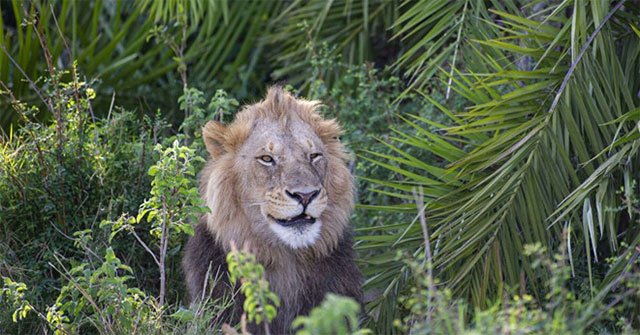
Initially, the lion roared greatly to the photographer. However, instead of attacking the photographer, it turned out to smile.

How does the camera on the phone work? Instructions on how to take beautiful pictures with your phone and smartphone.
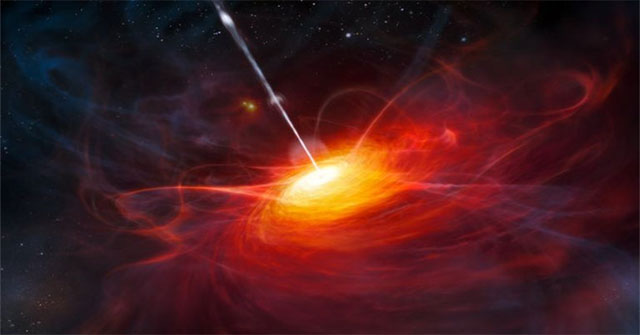
To calculate large, accurate calculations on a galaxy or cosmic scale, one needs an exact constant to make the landmark. It can be said that Hubble's constant is the sam…

In 1976 photographer Greg Girard arrived in Tokyo and began photographing the city, in a period when American influence gradually declined and economic boom took place.
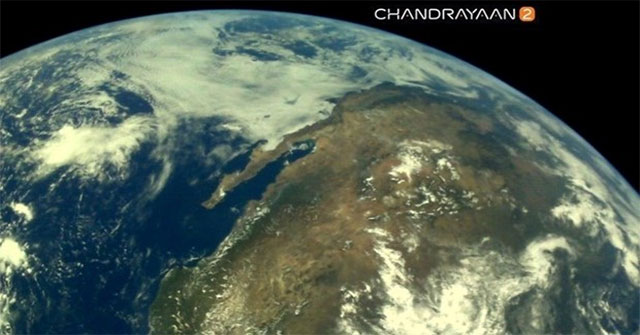
Images captured by Vikram landing gear via Camera LI4 lens equipped on India's Chandrayaan-2 on August 3.
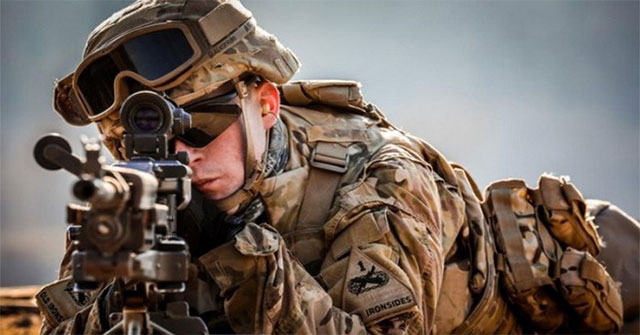
The next generation of US military guns is expected to integrate computers capable of calculating projectile traits, face recognition and hydrophobic glasses.
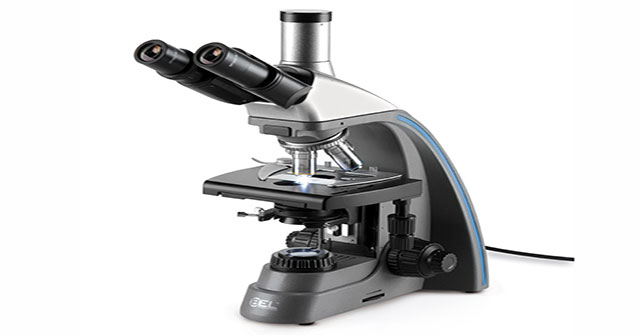
Since the microscope appeared around the 1590s, we have begun to see the world of extremely small organisms living in water, food and even in our bodies.