Space science
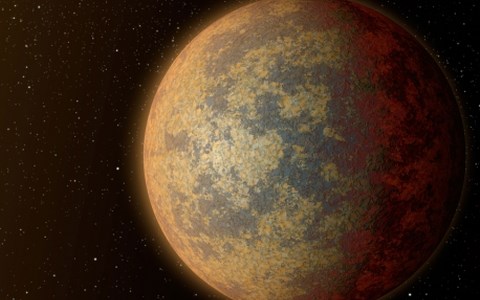
NASA discovered Earth-like planets more than Kepler-452b
Astronomers at NASA have discovered an Earth-like planet more than Kepler-452b and is a gold mine for scientific research.
Browse ScienceInfo articles and explainers related to Light.
3,286 published items.
Astronomers at NASA have discovered an Earth-like planet more than Kepler-452b and is a gold mine for scientific research.
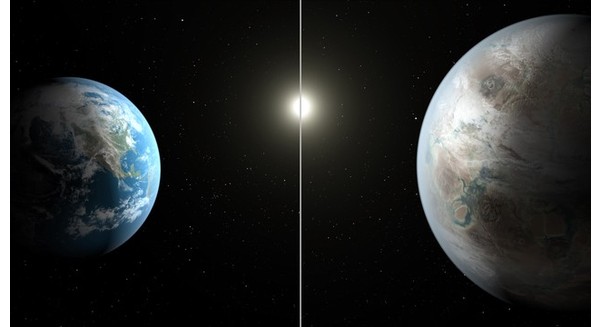
With today's science and technology, the answer is ... 26 million years.
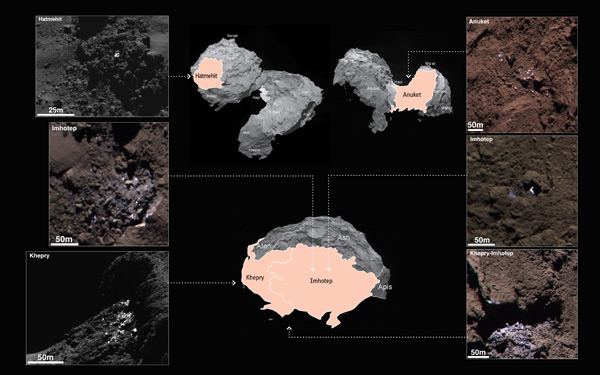
The Rosetta spacecraft, currently in a trawl around comet 67P / Churyumov - Gerasimenko, has detected 120 light spots on the comet surface with an area of at least 2m.
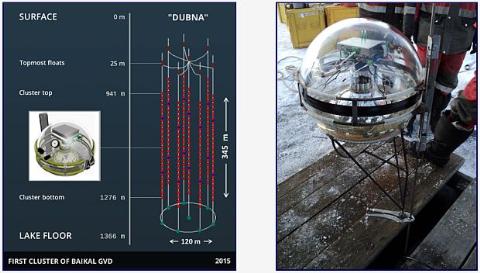
Russian scientists released the device into Lake Baikal in hopes of shedding light on the nature of dark matter and the origin of the universe.

The US Aeronautics and Space Administration (NASA) has released a clear picture of the mysterious light spots on the asteroid Ceres. Science still cannot explain what th…
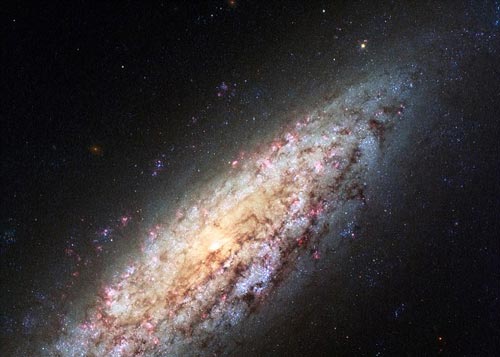
Astronomers have recorded impressive images of a galaxy now considered the most lonely universe, floating at the edge of a space abyss.
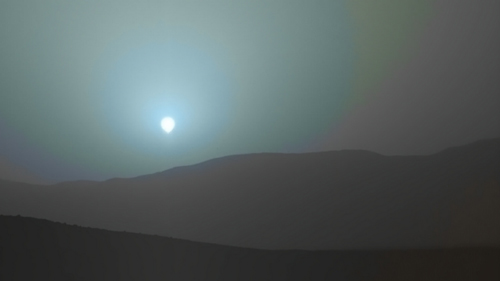
Mars is called a red planet, but the sunset in this planet is blue.
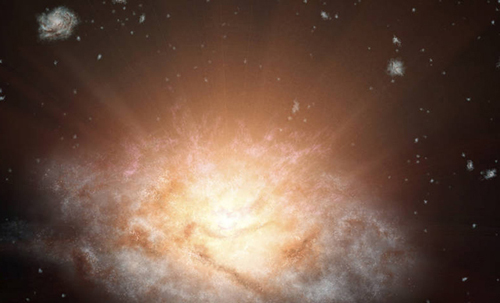
US scientists discovered the brightest galaxy ever, with 300 trillion times more light than the Sun.
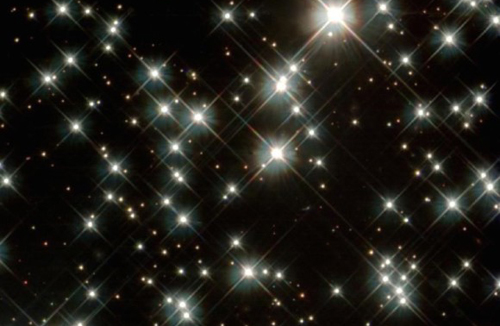
The Sun is just one of many stars in the universe, hidden mysteries waiting for people to discover.
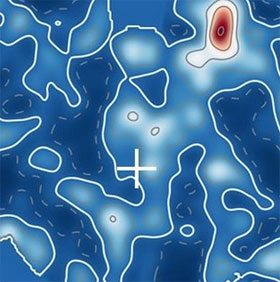
Astronomers at the University of Waterloo have compiled the universe map around us in 3D with the greatest detail ever.
Recent successful tests by NASA are opening up the possibility of people flying to the Moon in a flash, even faster than light.
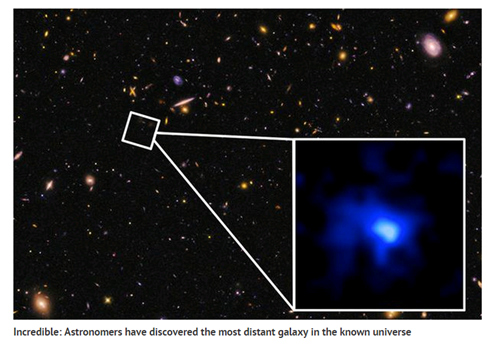
International astronomers have discovered a supposedly oldest blue galaxy in the known galaxies so far.
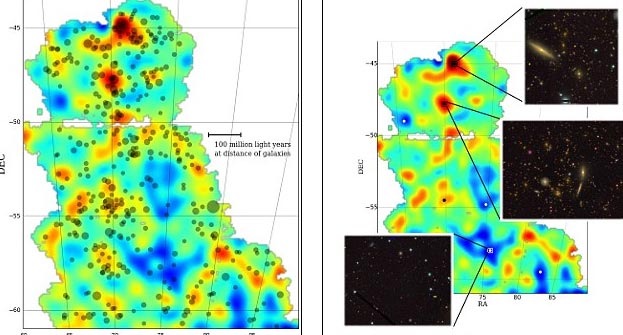
After more than two years of promotion, the team conducted a project on mapping dark matter across the universe, bringing together more than 300 scientists from six coun…
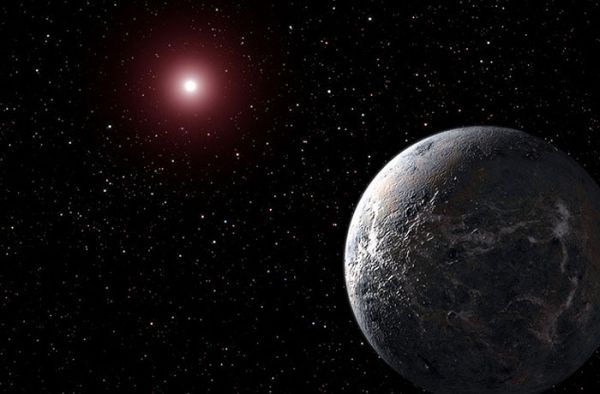
Recently NASA continues to discover a smoky cloud-like planet, located 13,000 light-years from Earth. This is said to be one of the furthest planets ever seen in the uni…
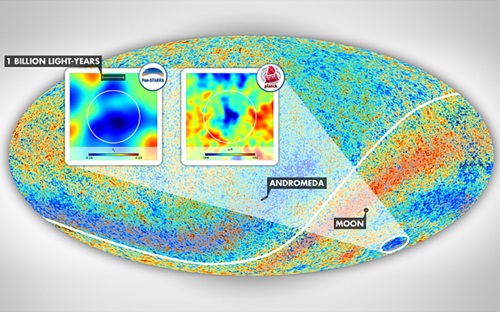
Scientists happen to find an empty space stretching 1.8 billion light-years.