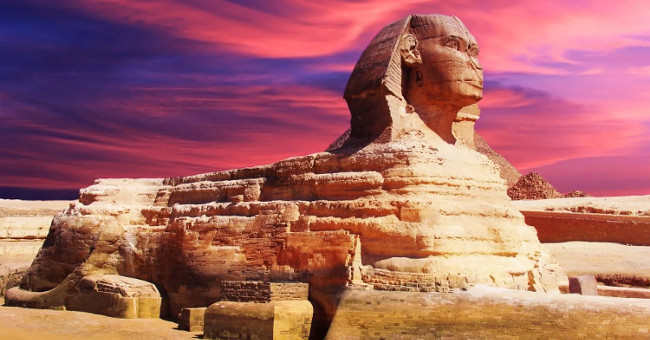
Archeology
The controversy about the Sphinx in Egypt
The Sphinx on the Giza plateau symbolizes a lion's head creature, protecting the Egyptian pharaoh's tomb.
Browse ScienceInfo articles and explainers related to Lion.
370 published items.
The Sphinx on the Giza plateau symbolizes a lion's head creature, protecting the Egyptian pharaoh's tomb.
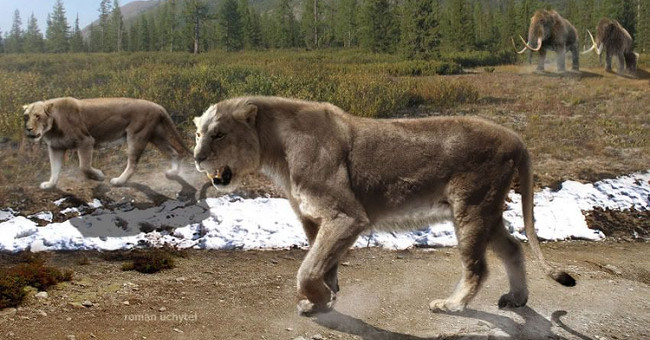
Cave lions, the largest lion species that ever lived on Earth, may fall into extinction due to human hunting by the skin during the Stone Age.
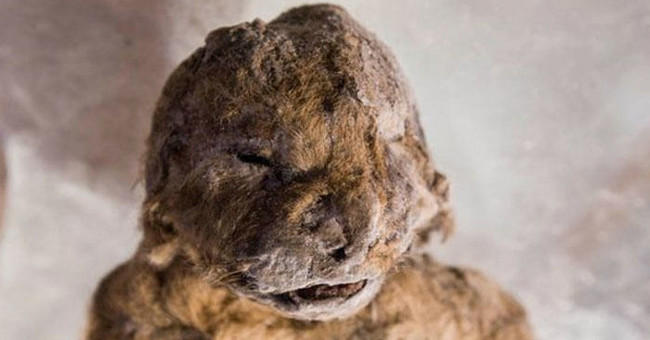
From DNA samples taken from intact frozen baby lions after 12,000 years, international scientists are hoping to revive cave lions that once wandered on Earth in the Ice…
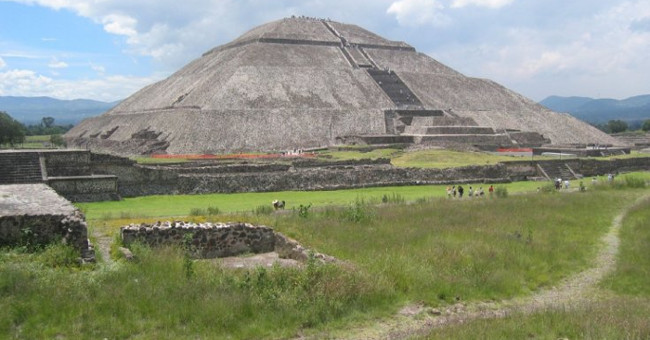
A group of American scientists found evidence showing ancient Teotihuacan people in Mexico for lion lions to eat human bodies after sacrificial rites.
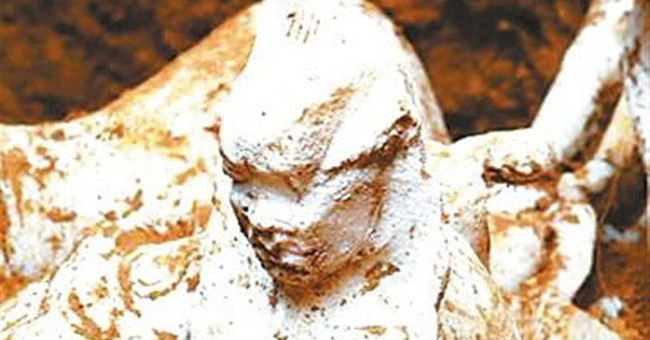
Scientists found a sphinx statue dating back more than 1,000 years in the ancient Tang tomb in northwestern China.
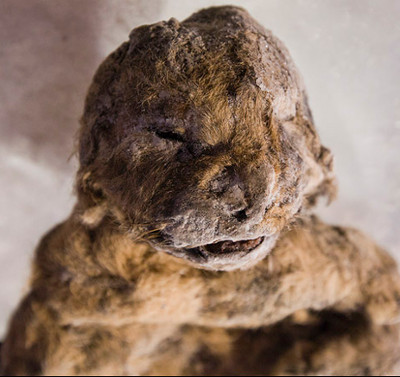
Under the thousand-year-old ice of Siberia, the corpses of the young cave lion are still as intact as they were when they were full of feathers, skin and internal organs.

Do you have a 1,300-year-old city called 'Atlantis of the East' that remains intact at the bottom of an artificial lake?
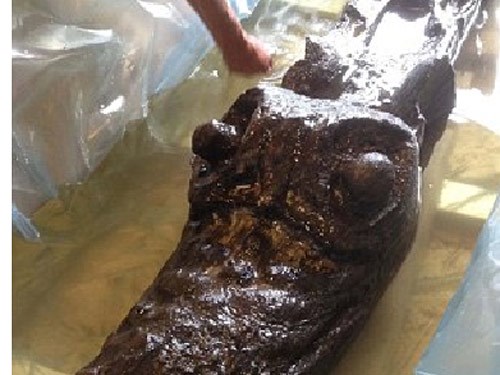
After a sleep longer than 500 years in the sea,
The fossil of a lion-sized carnivorous dinosaur, which specializes in eating smaller species of it, was discovered in a volcanic valley in Venezuela.
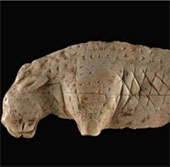
Archaeologists from the University of Tubigen (Germany) found ivory fragments belonging to an animal statue dating to about 40,000 years.
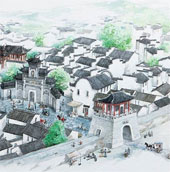
An ancient city built in China from 1,300 years ago still retains many intact structures despite being located deep below the artificial lake.
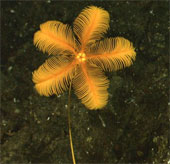
During the survey to develop the development plan of the Geopark, Professor Autur Sa of Trás-os-Montes e Alto Douro Portugal discovered Hue Bien fossil in the area of …
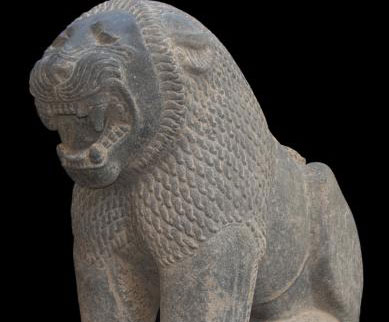
The leading archaeologists working at the University of Toronto, Canada, discovered a complex city gate decorated with stone sculptures, including a stone lion ...
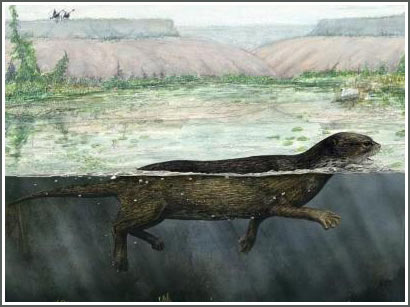
New research shows that Puijila is the missing link in the evolution of a group of animals today, including seals, sea lions and walruses.
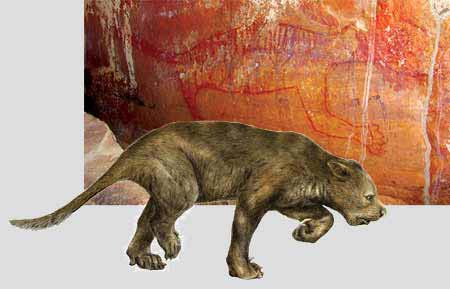
Australia today lacks large predators who live on land, but only about 30,000 years ago this continent was the territory of the Thylacoleo carnifex - a lion with a bag.