New technology
Breakthrough in recharging electric car batteries
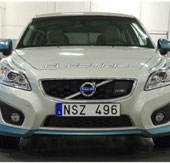
The new technology could allow for the charging of electric cars within 90 minutes, and Volvo's experts plan to test the C30.
Browse ScienceInfo articles and explainers related to Lithium.
155 published items.
The new technology could allow for the charging of electric cars within 90 minutes, and Volvo's experts plan to test the C30.

UK researchers have reached an important milestone in developing a lithium-air battery that promises to be 3-5 times larger than lithium-ion batteries. we use on electri…
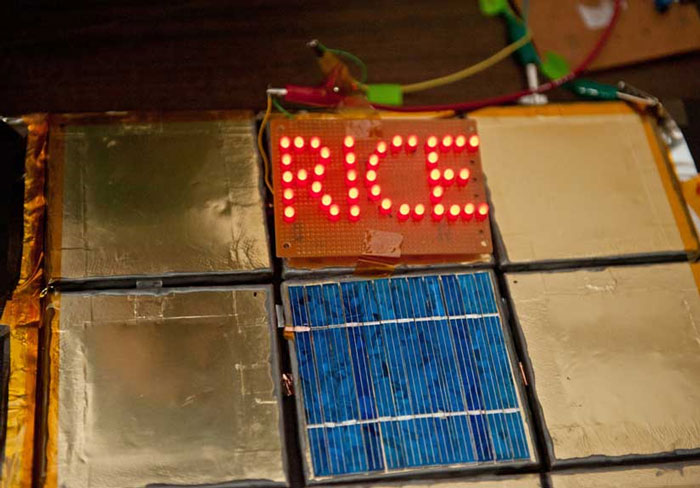
One day, lithium-ion rechargeable batteries are being used in a variety of phones and laptops today that can be sprayed onto any surface like paint, helping mobile devic…
New Scientist magazine has published an impressive new development and development of IBM's battery technology, providing enough power for electric cars to operate f…

Scientists working at the Applied Physics Laboratory of Johns Hopkins University in the United States have developed cheap sensors (based on intrinsic linkages between e…

Japanese scientists have successfully built lithium-ion batteries without the use of rare earth metals.

The team of Nano Scientists and Research Scientists led by Dr. Xie Xian Ning, National University of Singapore, has developed: soft, foldable membrane using a PS plastic.

Despite the technological breakthrough of conventional NiMH batteries, lithium-ion batteries are not faultless, but the risk of overheating leads to fires and explosions.
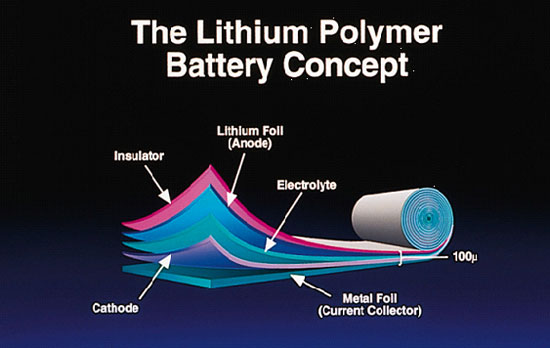
US scientists have found that lithium-ion batteries or nickel metal hydride batteries are often degraded during operation as they are charged and discharged quickly.

British scientists are studying new batteries for soldiers using energy from the sun and body heat.

The new Toyota battery model uses porcelain coatings on positive electrode materials that make it a hard-shell design.

The lithium batteries that we see in cell phones and laptops can be shrunk with salt in the future.

Hitachi has successfully researched a new material that could extend its lithium-ion battery life to two times, the longest time being over 10 years.

Using new materials, researchers at Stanford University have developed lithium batteries that are more secure than previous lithium-ion batteries.
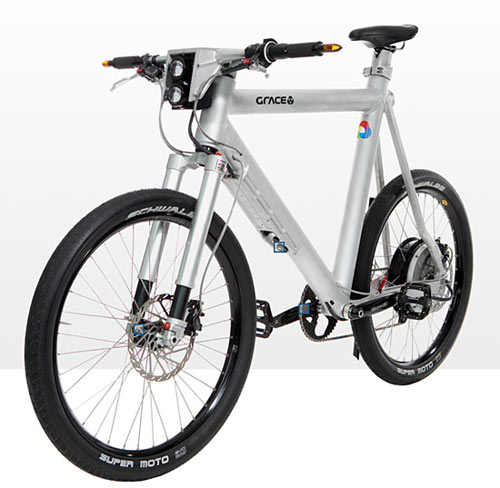
The chassis is made of aluminum alloy similar to that used on European fighters ... that is information about an electric bike called Grace