
Cancer
Goats increase the risk of rare lung cancer
According to a study by French scientists at the European Respiratory Association's annual conference in Amsterdam, contact with goats may increase the risk of a rare lu…
Browse ScienceInfo articles and explainers related to Lung Cancer.
90 published items.
According to a study by French scientists at the European Respiratory Association's annual conference in Amsterdam, contact with goats may increase the risk of a rare lu…
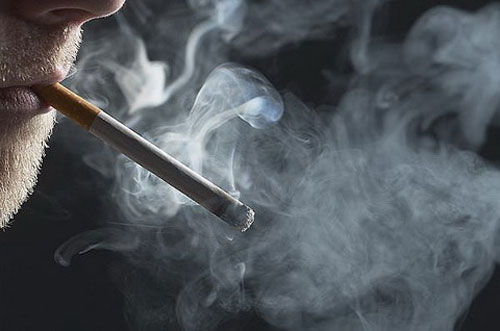
World Health Organization (WHO) yesterday (May 31) said tobacco will be the cause of nearly 6 million deaths this year, including 600 people who are non-smokers (or call…
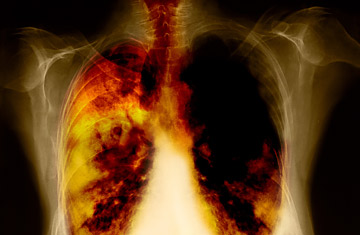
As a result of the National Lung Cancer Screening Trial, the use of effective CT scans in early screening for lung cancer in smokers ...

According to a recent study, along with quitting, having a soy-rich diet helps reduce the risk of lung cancer in men.

Straightening strong radiation beams into tumors can help control the growth of these tumors.

The research of Mayo Medical University scientists, USA, explains why people who never smoke still get lung cancer.

US scientists have discovered a way to inform high smokers about lung cancer risk by measuring changes in the windpipe.

The drug metformin, still commonly used to treat patients with type 2 diabetes, may also work in preventing lung cancer.

According to Luong Ngoc Khue, Director of the Medical Examination Department (Ministry of Health), about 50% of adult men in our country smoke cigarettes (equivalent to…

Xinhua leads a large-scale survey of Japan's Ministry of Labor Health, which says men who regularly eat soy will help reduce the risk of lung cancer.
The Prime Minister has just signed Decision 1315 / QD-TTg approving the Plan for implementing the Framework Convention on tobacco control.
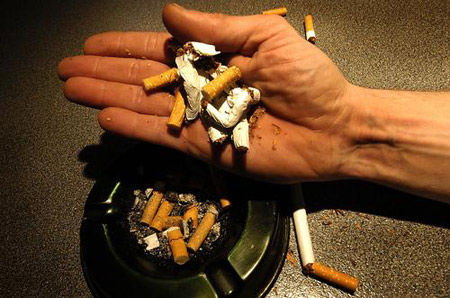
Cancer researchers recently found that smokers and non-smokers with lung cancer actually have a different nature.
We all know two factors that contribute to cancer in tobacco - nicotine and associated hydrocarbon aromatic rings (PAHs) are carcinogenic culprits.
Anyone who has ever tried smoking can remember the feeling of smoking the first cigarette.
A study led by researchers at Nottingham University discovered genes that protect the body from lung cancer.