Space science
NASA considered genetic modification for astronauts to Mars
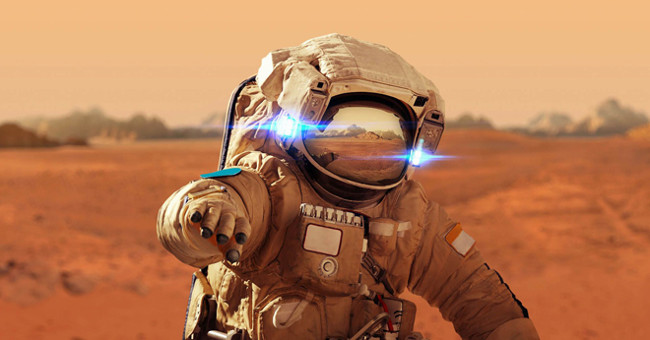
The US Aeronautics and Space Agency (NASA) is looking for the genetic modification of astronauts, who will perform the task of exploring Mars.
Browse ScienceInfo articles and explainers related to Mars.
1,602 published items.
The US Aeronautics and Space Agency (NASA) is looking for the genetic modification of astronauts, who will perform the task of exploring Mars.
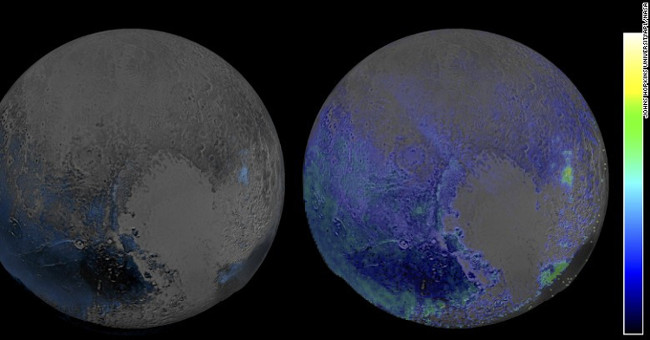
Over the years, NASA has deployed a series of space missions with the ambition of exploring the mysteries in the Solar System, where the Earth belongs.
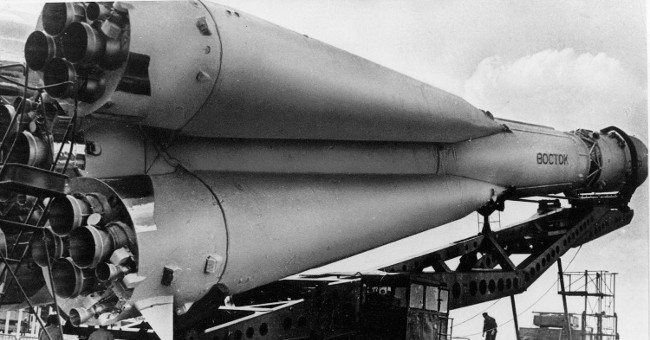
Let's review 6 scientific events that mark the process of studying and conquering human universe through the following article.
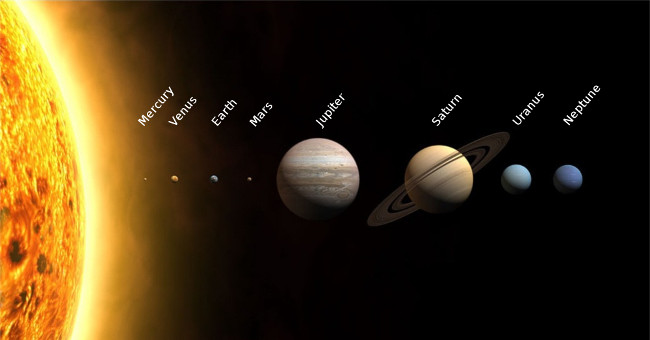
Since the discovery of Pluto in 1930, school-age children will learn about nine planets in our solar system.
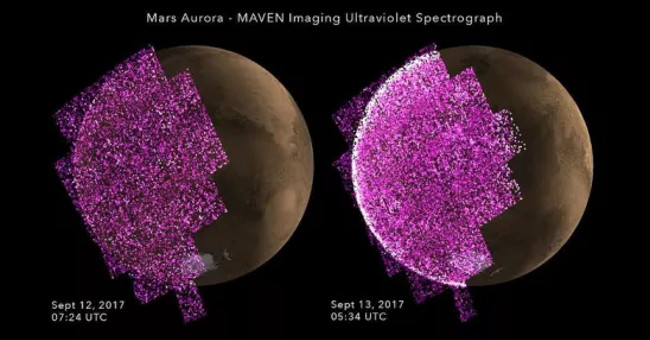
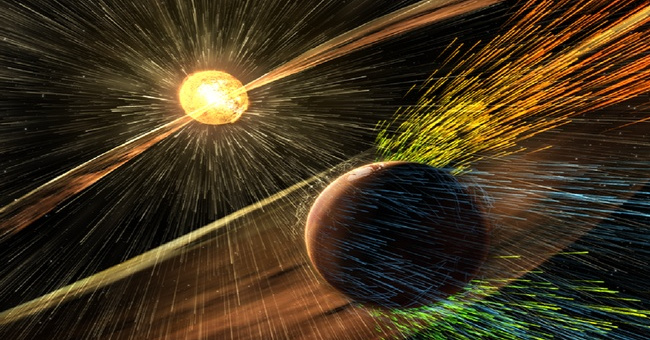
The event is caused by an intense solar wind sweeping through Mars, causing the planet's radiation level to peak.
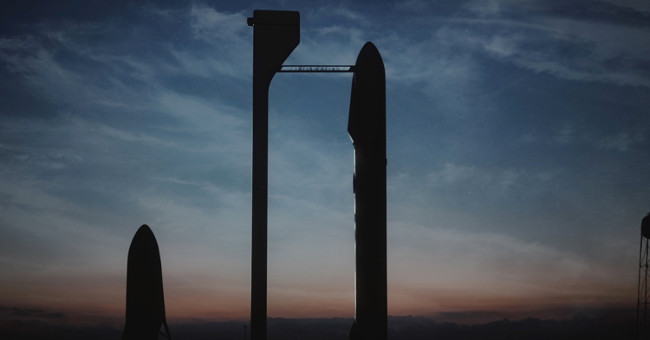
If you don't know how Elon Musk will get people to Mars, what the schedule will be like, how the Martian colonization will take place, take a look at this video series.

The underground cave system on Mars and Moon can be a safe haven for people in the future.
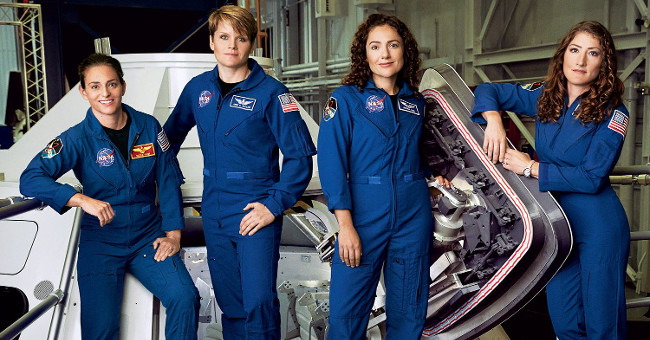
NASA's travel missions often have a team of crews mixing quite a balance between both genders.

US defense industry group Lockheed Martin introduced a new Mars amphibious ship that ran on liquid hydrogen fuel with the goal of bringing humans to Mars in the earliest.

In order to survive the isolation process, these experts had to live on tropical fruits and eggs after using up all their groceries and home grown vegetables.
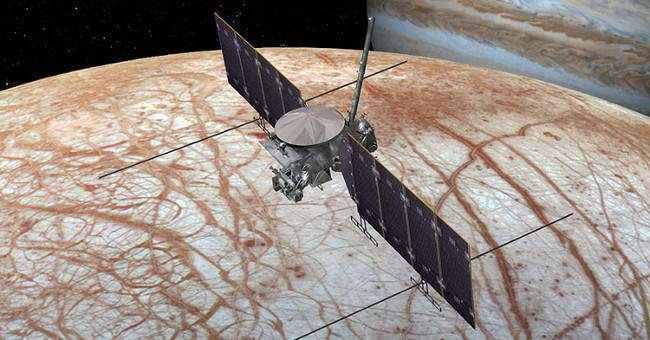
Mars, Pluto, Jupiter and Saturn gather conditions suitable for alien life to form and develop.
There are still a lot of cosmic mysteries that hurt astrophysicists: what's inside the black hole, dark matter, the end of the universe ...

SCMP said on September 6, China will invest $ 61.1 million to build the project

NASA is currently rushing to complete many products and inventions, aiming to turn the ambition to bring people to conquer Mars in 2030 into reality.
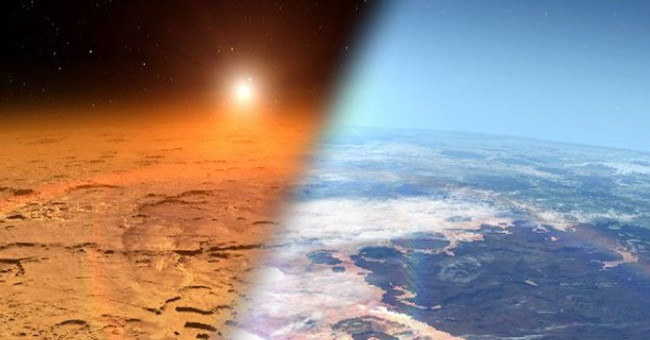
Currently the Martian atmosphere contains only 0.13% oxygen, while the Earth's atmosphere is 21%.