New technology
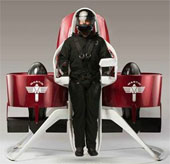
New Zealand licensed personal flying test equipment
Individual jet engine developers say the New Zealand aviation authority has granted them permission to test flight equipment.
Browse ScienceInfo articles and explainers related to Martin.
189 published items.
Individual jet engine developers say the New Zealand aviation authority has granted them permission to test flight equipment.
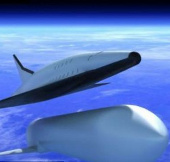
By 2050, the SpaceLiner superliner will be able to carry passengers from London to Sydney in just 90 minutes.

Experts at the University of Cambridge are looking at the risks that could affect the future of humankind behind the emergence of super-smart technologies.
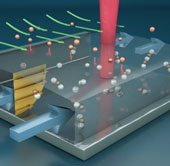
The new bio-based design of odor receptors in dogs is capable of rapidly detecting hazardous chemicals.

A German artist who created a hood made surveillance cameras 'confusing' in the context of increasingly popular tracking devices in the country. The birth of this hood h…

This LEMV is not really a balloon. Technically, this could be considered an aircraft
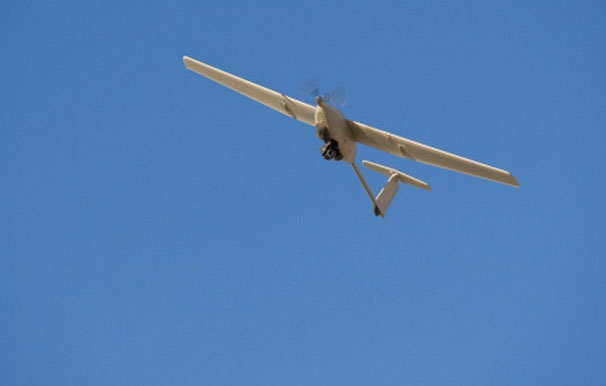
The unmanned aerial view became more apparent after Lockheed Martin, the US military hardware corporation, experimented with rechargeable laser technology. Test flight t…

Boeing, Gulfstream and Lockheed Martin have joined forces with the US Aerospace Industries (NASA) to build a super-jet capable of completing the four-hour journey from L…

NASA said it will use a module - a drone vehicle for research created by Lockheed Martin - for the Air Force Military Research Laboratory (AFLR) to test new key technolo…
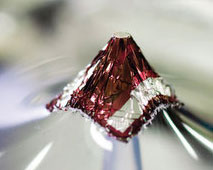
The solar cells that Austrian and Japanese scientists have announced are thinner than spider silk, with so much elasticity that they can be wrapped around the hair.
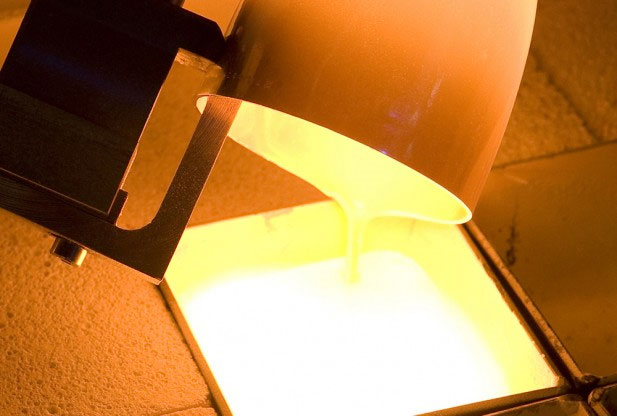
Researchers at the Fraunhofer Institute in Germany have created a robot capable of analyzing characteristics and developing new types of glass. This robot was introduced…
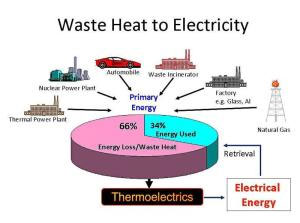
The researchers were led by Dr. Ole Martin Løvvik, working at the Center for Nanoscience and Materials Science, University of Oslo, Norway, claiming to have made thermoe…

Researchers at Imperial College London, United Kingdom, can build bi-logic gates that will be used in complex digital biometric devices in the future.
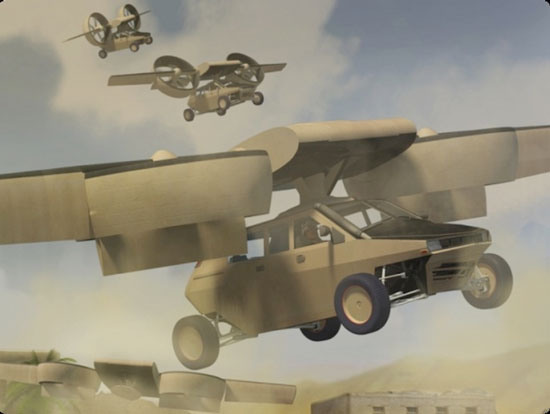
Military vehicles with wings on the body can appear on the ground and the sky in mid-2015.
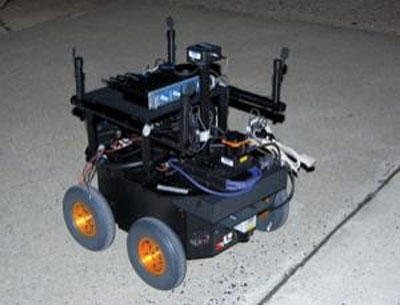
Creating a robot capable of hiding to avoid human detection is a big step forward for a fully automated spy robot from the US military.