Discover science
How to execute the feared enemies of the Mayans
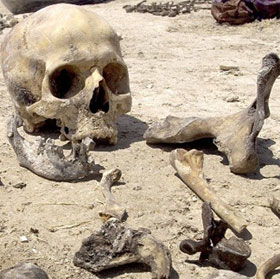
Researchers from the University of Bonn point out, the ancient Mayans executed their enemies by cutting their heads, cutting their hands and feet and burying them all.
Browse ScienceInfo articles and explainers related to Mayan.
154 published items.
Researchers from the University of Bonn point out, the ancient Mayans executed their enemies by cutting their heads, cutting their hands and feet and burying them all.
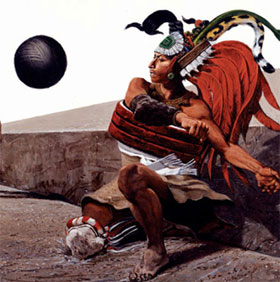
Football is always a king sport that captivates millions of hearts in the world. Before the football matches like today, the ancient Mayans also held similar football ma…
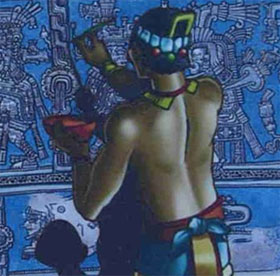
Ancient Mayans decorated the walls of palaces, temples, handwritten manuscripts, painted ceramics and painted dead bodies before burying the sacred wells with a color bl…

Recent research shows that ancient Mayans could accurately predict astronomical events that took place centuries later.
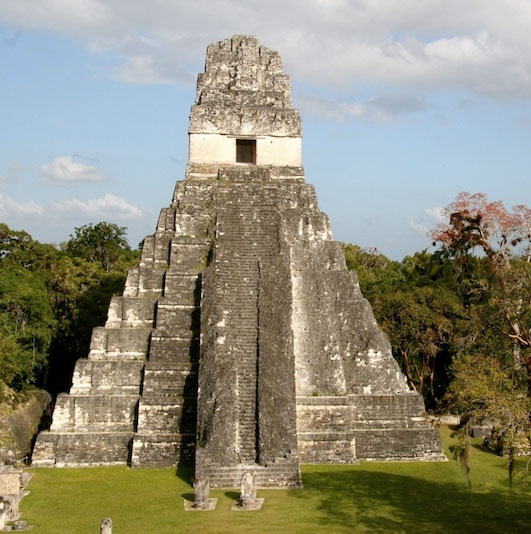
In the country of Guatemala today, every year, the entire Tikal city area of the ancient Mayan people suffered from droughts, without a single drop of rain within 4 mo…

Previously, scholars believed that a serious drought could have killed the ancient Maya culture that was famous for mastering language, mathematics and astronomy. Howeve…
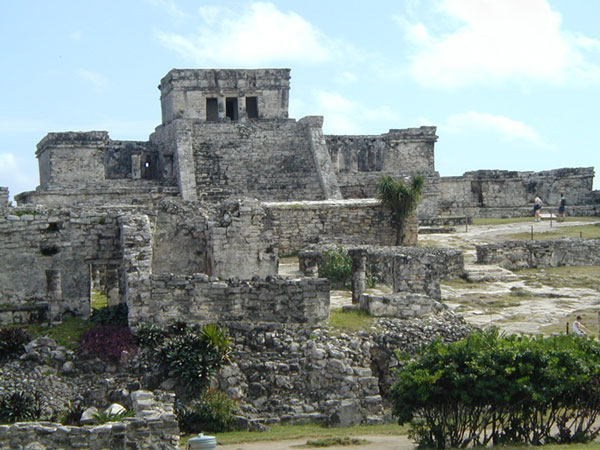
The collapse of ancient Mayan civilization has long been considered a mystery, because of the hundreds of reasons that scholars have given to explain this collapse, ther…
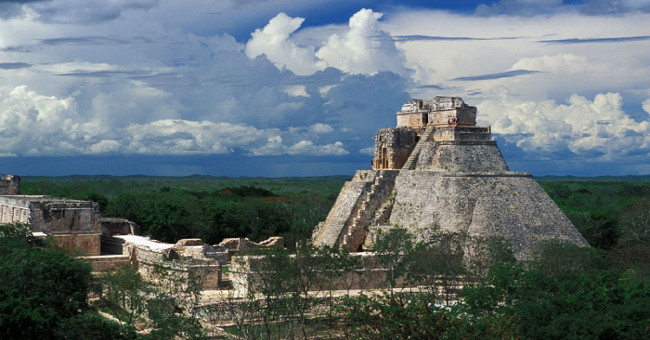
Along with other areas in the north like Chichen Itza, the ancient city of Uxmal survived the collapse that affected most of the Mayan civilization's other cities.
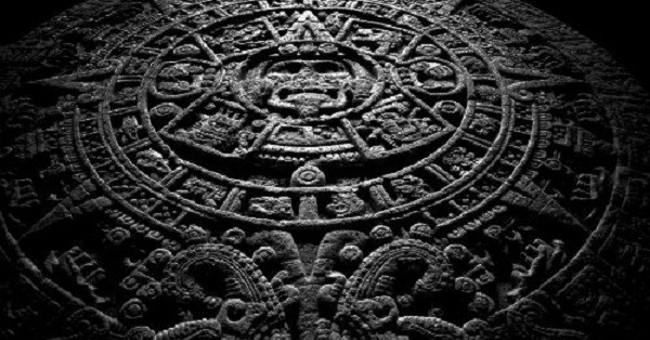
The Mayan created a boom in mathematics, to be able to record events over the years to determine the time of planting and harvesting, accurately calculating the weather…
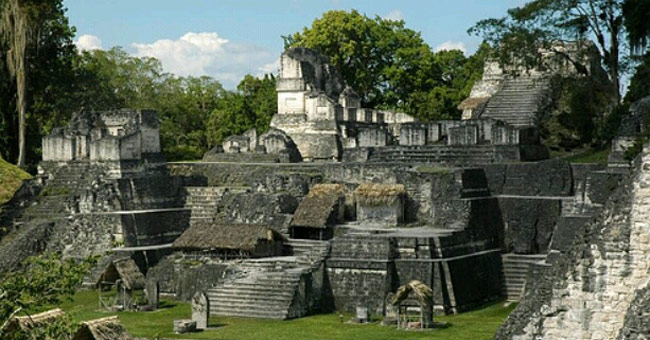
Maya civilization not only stands out by the well-developed ancient writing system, but also has incredible art, architecture and astronomical and mathematical systems.

Most Egyptians learned that the Sphinx on the Giza plateau was about 4,500 years old. But this number is only a hypothesis, not a proof.
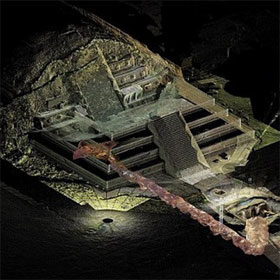
A Mexican archaeologist found a large amount of liquid mercury under a Mayan pyramid in Teotihuacan, America's most mysterious ancient city.
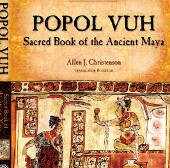
Created by Mayan stories of the world, religion, history, astronomy, myths, the book Popol Vuh attracted the attention of scholars throughout the planet.
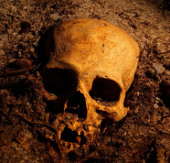
Mexico's Yucatan Peninsula is littered with thousands of mysterious caves that once served as a haven for prehistoric people and later became a sacred Mayan sacrifice.
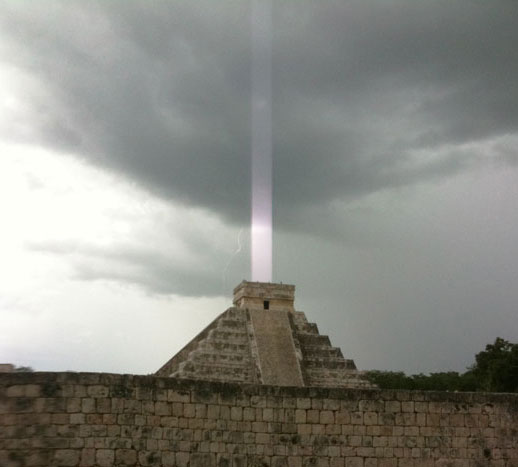
In 2009, when the Hector Siliezar family visited the ancient Mayan city of Chichen Itza, with his iPhone, he took three photos of the El Castillo pyramid (Mexico) - once…