
Space science
Overview of 16 Psyche asteroids
16 Psyche is one of the ten largest mass asteroids in the asteroid belt. It has a diameter of more than 200km and contains approximately 1% of the whole belt.
Browse ScienceInfo articles and explainers related to Metal.
604 published items.
16 Psyche is one of the ten largest mass asteroids in the asteroid belt. It has a diameter of more than 200km and contains approximately 1% of the whole belt.
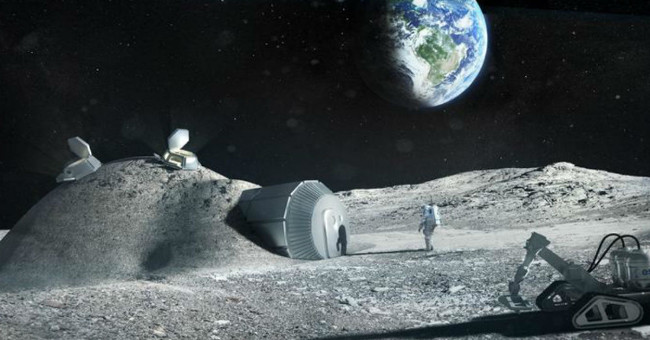
China is planning to build bases on a meteorite to exploit precious metals worth up to billions of dollars.
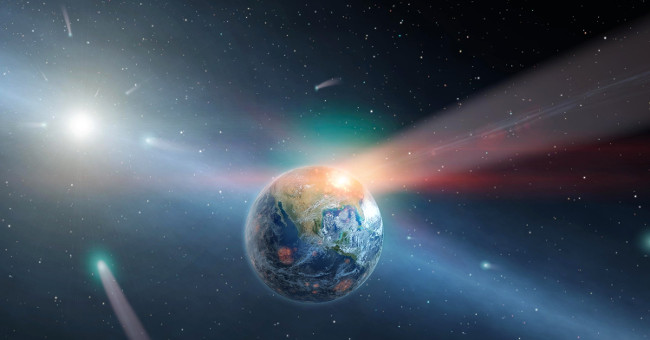
Sedimentary and ancient lava rocks indicate that water has existed for a long time on the Earth's surface. But the dry rocks in the galaxy plus the development of the oc…
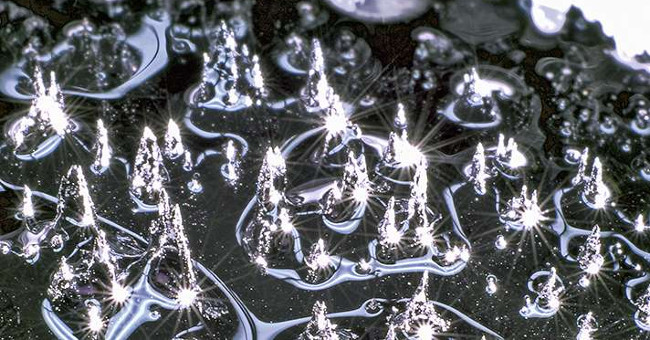
Researchers have developed a new material from liquid metal and magnetic molecules. They can help scientists learn about the mysteries surrounding Earth's magnetic force.
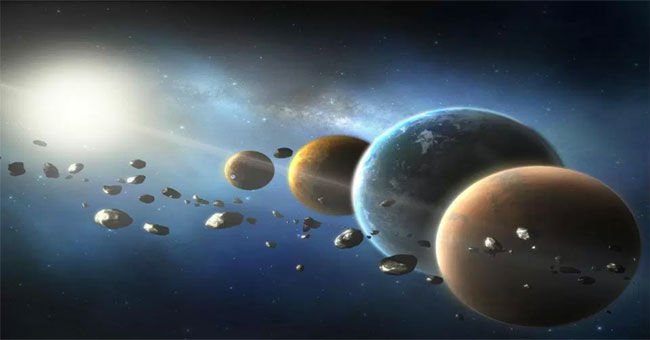
The US Aeronautics and Space Administration (NASA) will begin its mission to explore the 16 Psyche asteroid that contains iron and nickel worth $ 10 billion by 2023.
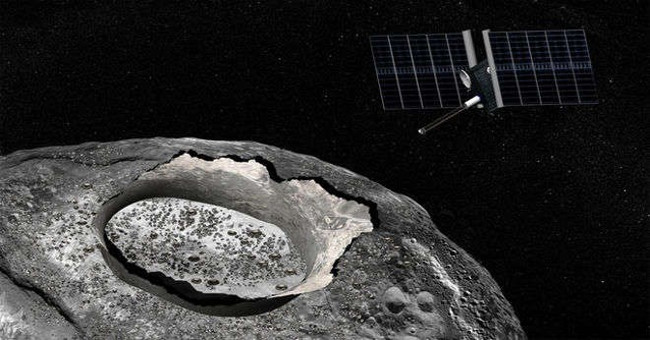
Not only does Psyche contain 16 metal, it also noticeably signs of water existing on the surface of this asteroid.
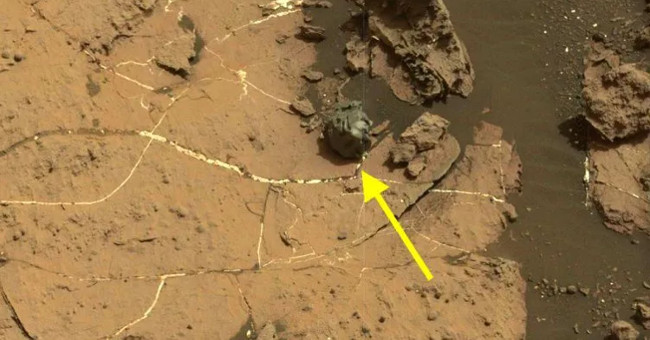
NASA's Curiosity robot finds an unusual piece of smooth metal meteorite as if it were grinding on the surface of Mars.
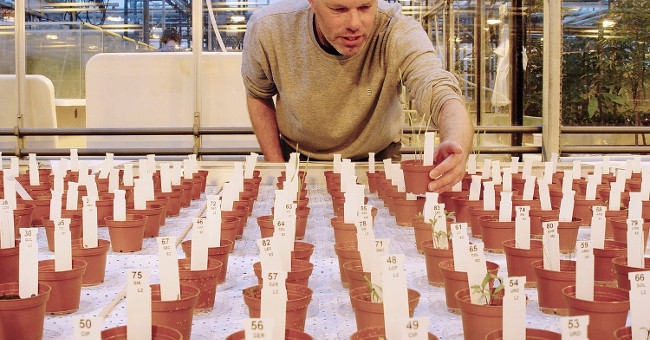
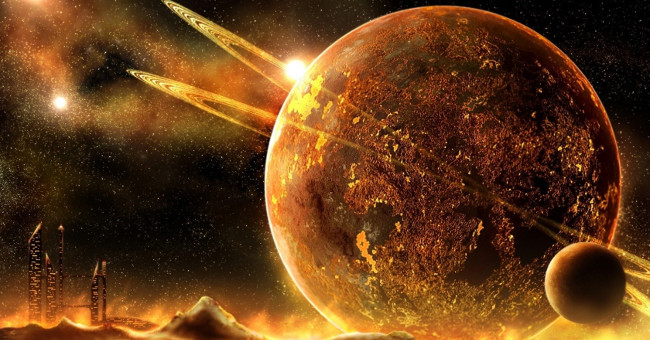
The new discovery, published in the March 31 issue of the journal Nature, points to billions of years ago of precious metals like gold, silver, and platinum in the unive…
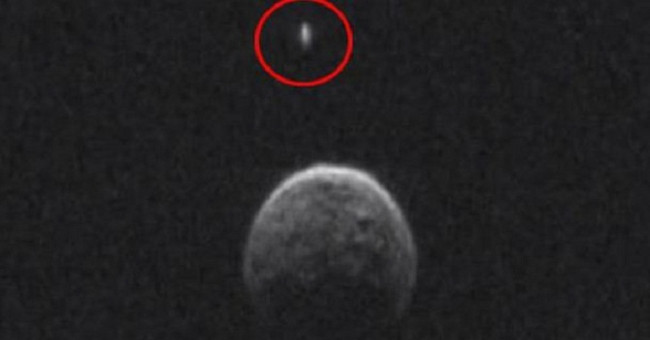
UFO hunters have digged back a photo from a year ago to prove the existence of what they call a
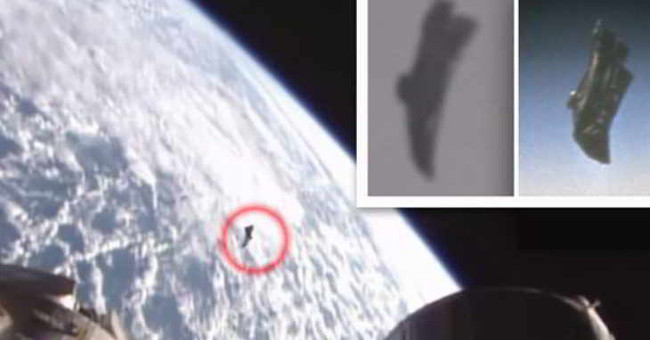
The camera on the International Space Station (ISS) captured the image of a strange object playing near this place. Strange objects appear when astronauts are waiting to…

US researchers created a gamma-ray spectrometer device that can search for rare metal deposits such as gold and platinum on meteorites.

Australian experts are studying the prehistoric phase of the solar system, in an effort to understand the events that led to the birth of the planet's central star.
Most metals crystallize and their properties depend on micro structures. This structure will expand when cooled.
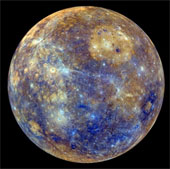
The smallest planet and the closest to the sun are shrinking in size faster than previously calculated by experts.