Space science
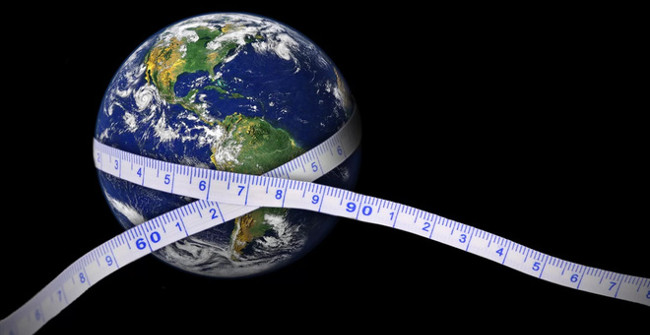
Why would we not be able to fly out into space if the diameter of the Earth increased by 50%?
Unlike what you think, this idle question is the vision of human limitations in exploring the universe.
Browse ScienceInfo articles and explainers related to Missile.
708 published items.
Unlike what you think, this idle question is the vision of human limitations in exploring the universe.
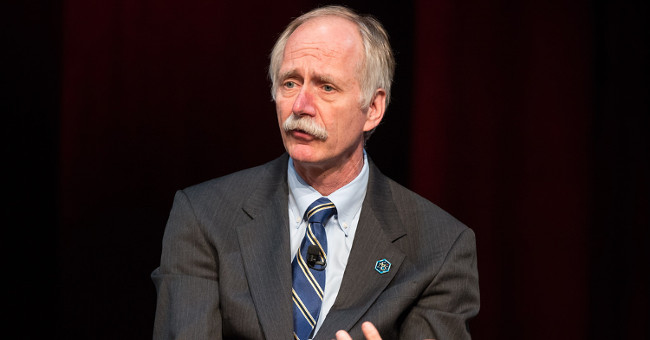
According to Arstechnica technology site, over the past five years, the US Space and Aeronautics Agency (NASA) has been pursuing an ambitious project to put people on th…
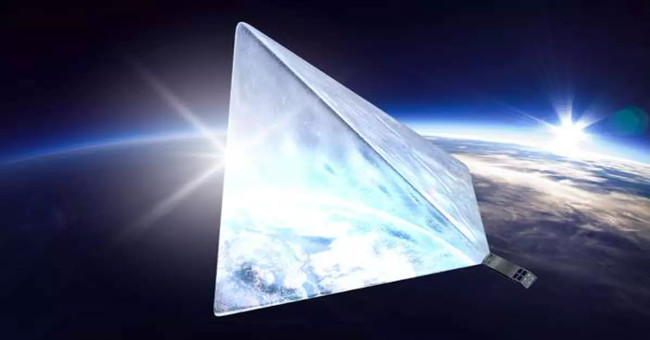
Mayak was launched into space with 72 other satellites on Soyuz missiles from Kazakhstan on July 14.
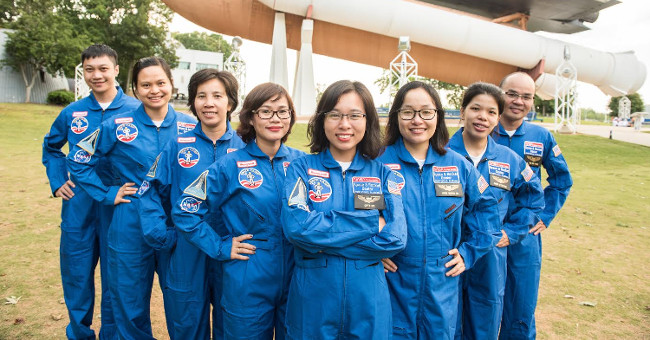
Honeywell Educators at Space Academy is a social service initiative organized by Honeywell Corporation in collaboration with the US Space and Rocket Center.
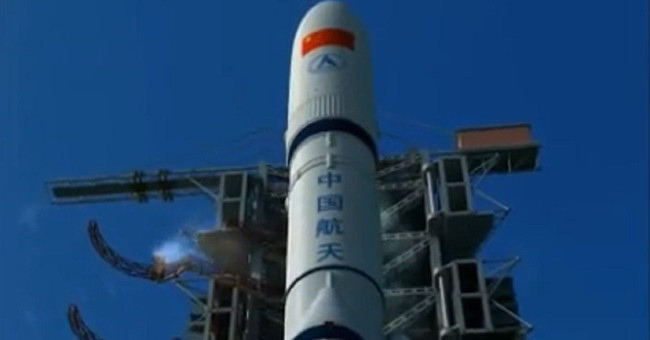
According to Sputnik, Chinese state media reported on July 2 that the Truong Chinh-5 missile launch, the most powerful rocket at this time of China, took place but faile…
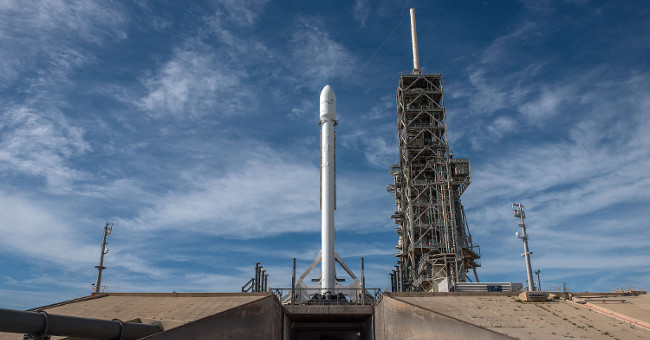
All the attention in Elon Musk's space industry is heading to SpaceX with the Falcon 9 rocket launch at NASA's Kennedy Space Center.
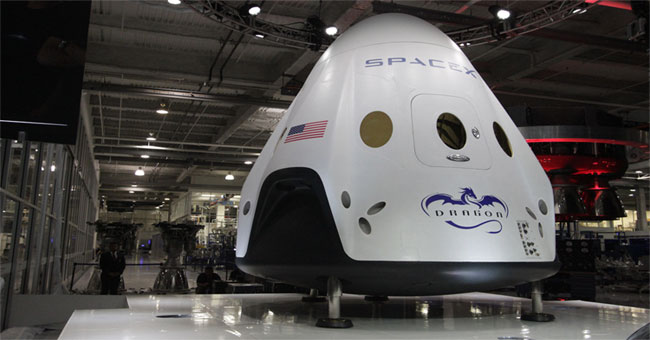
In the search for new lands for humanity, who will play the role

Space technology expedition SpaceX of the United States has successfully launched Bulgaria's first geostationary satellite to orbit using a two-time rocket.
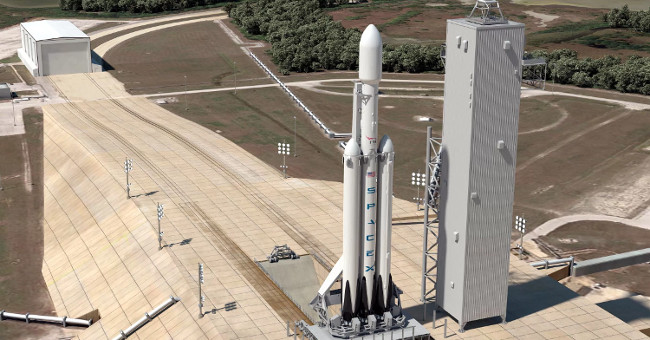
The rocket will transport the first visitors into space. That could be a greater step for humanity in the universe than ever before.

The US Aeronautics and Space Administration (NASA) will launch a missile to create colorful clouds and luminescence on the evening of June 13 (local time) after delaying…
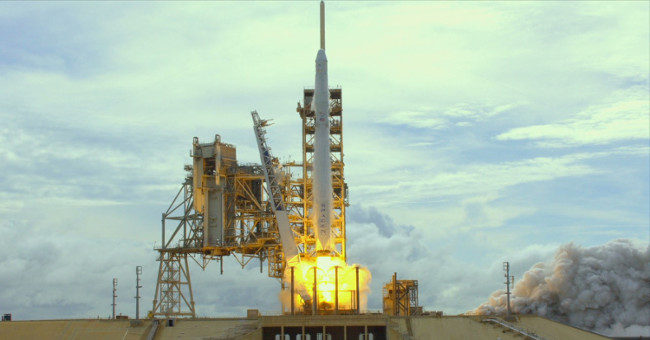
SpaceX's billionaire Elon Musk successfully launched the Dragon spacecraft in its second mission to the ISS International Space Station.
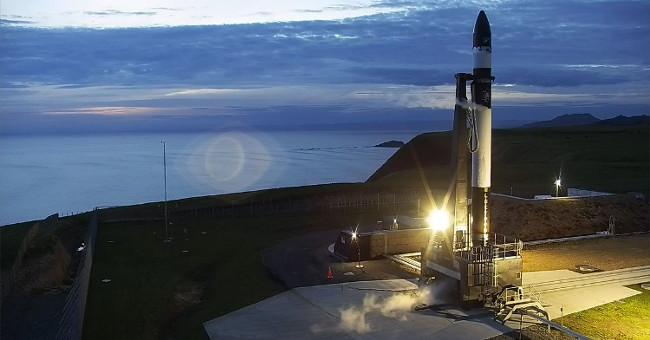
Rocket Lab, a privately owned aerospace company, successfully launched its experimental Electron boosters into space from a New Zealand facility.
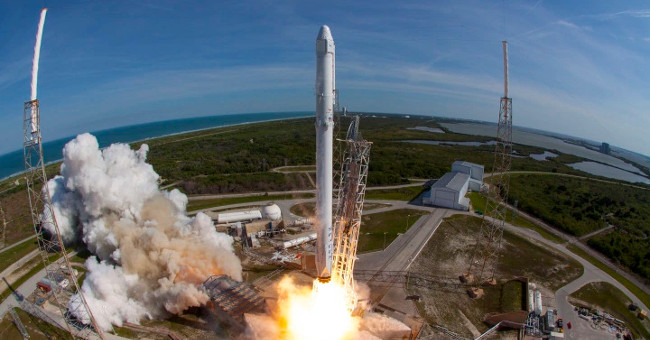
The deceased human remains will be taken to space by missiles by technology billionaire Elon Musk and orbit for two years.
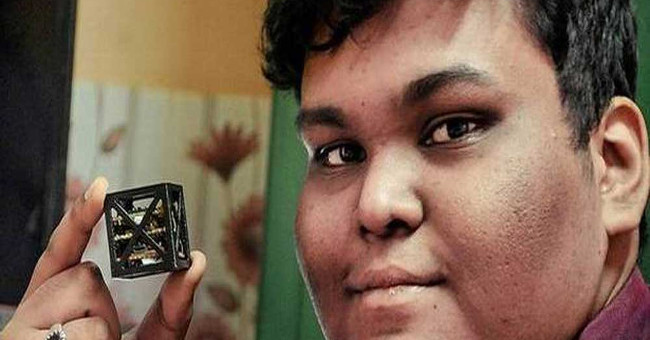
The 18-year-old student, Rifath Shaarook, has designed the world's lightest satellite. The device weighs only 64 grams, even lighter than a smartphone.
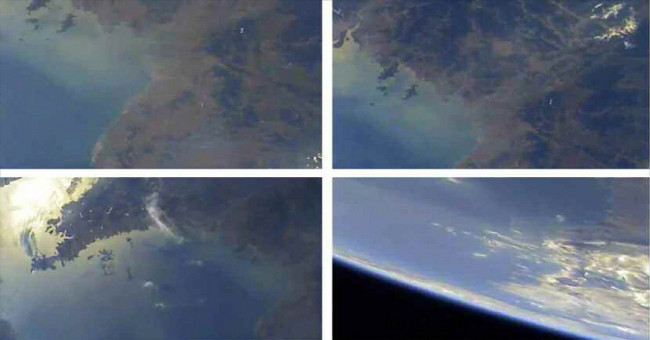
Daily newspaper Rodong Sinmun, the mouthpiece of the North Korean Labor Party, published 58 color photographs that recorded the Earth's image taken from space.