Archeology
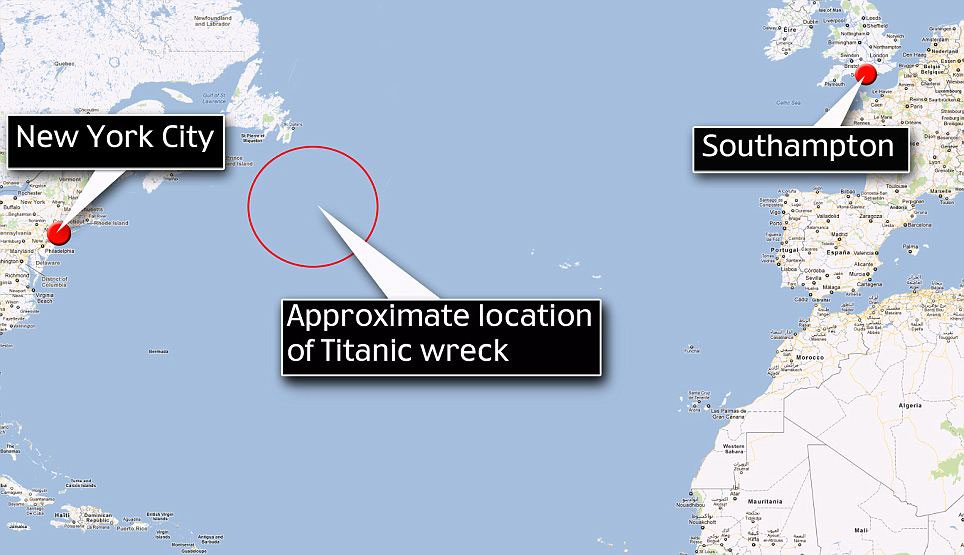
What does Tinanic look like after a century of submergence?
Some photos of the ship after a century of seabed going to be published in the April issue of National Geographic will help people see what the ship looks like today.
Browse ScienceInfo articles and explainers related to Moon.
1,903 published items.
Some photos of the ship after a century of seabed going to be published in the April issue of National Geographic will help people see what the ship looks like today.

Egyptian archaeologists have discovered a giant statue of Thoth, in the ancient Egyptian beliefs as the Moon god, governing texts and knowledge.

On the occasion of the study of cultural preservation of the minority ethnic Shui (China), archaeologists in Libo district in Guizhou province collected a pair of ox hor…
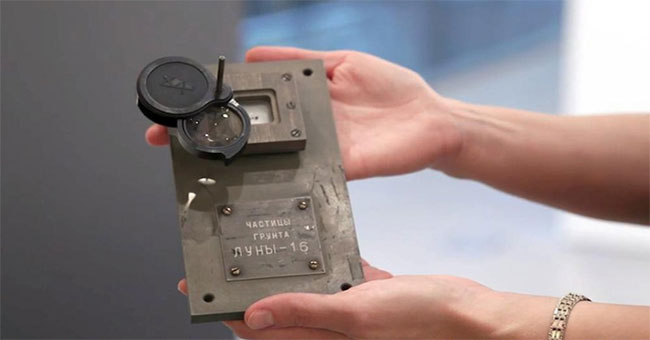
Three tiny sized Moon stones were brought in the former Soviet Union's Luna - 16 mission to be sold for $ 1 million in the upcoming auction.
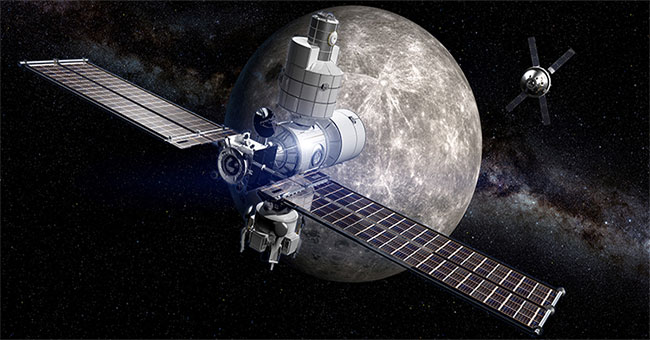
According to RIA Novosti news agency, Evgeniy Mikrin - Russia's chief engineer of manned complexes, proposed to build Russia's first national space station on Moon's orb…

An unprecedented coincidence at any planet in the Universe.
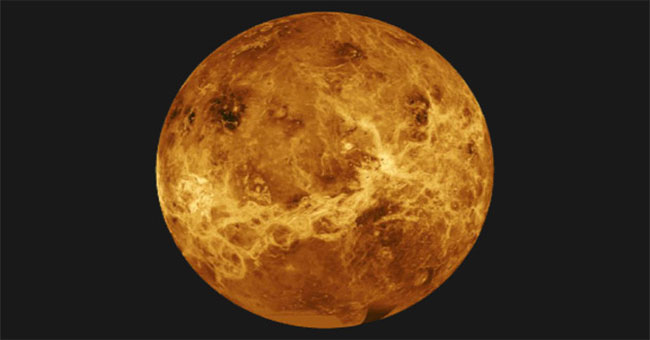
Venus is the brightest planet in the Solar System after the Moon and Sun. Compared to Earth, it is the first star to appear at night and disappear at dawn at last.
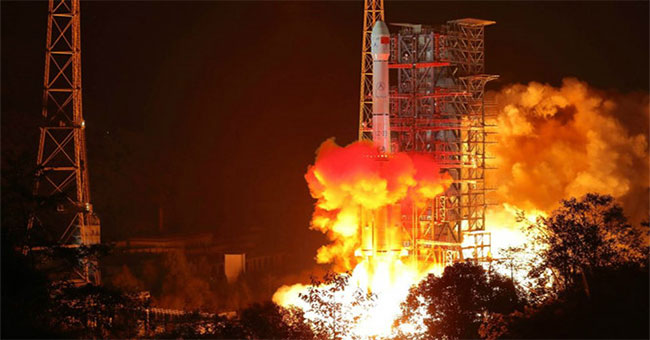
In the morning of December 8, China launched missiles to space on the spacecraft to perform the task of exploring the dark areas of the Moon.

Neptune is the eighth and most distant planet from the Sun in the Solar System. It is the fourth largest planet in diameter and the third largest in volume.
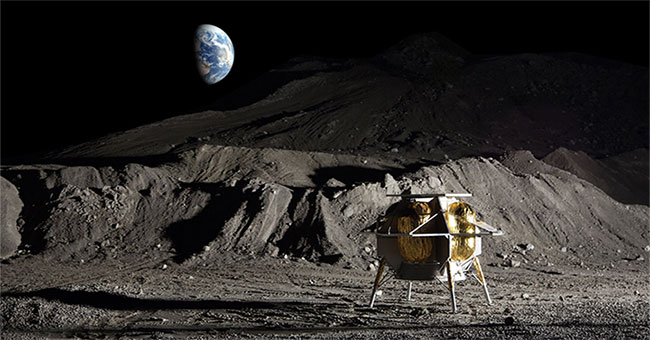
Since the Apollo 17 ship put people on the Moon in December 1972, NASA has never made a comeback mission.
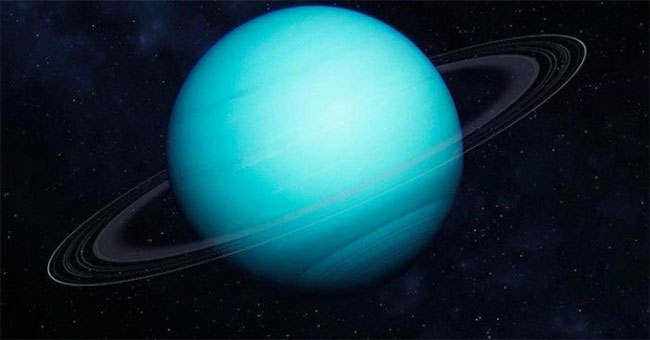
Uranus can hold 63 Earth within it, the summer here lasts for 42 years, Uranus only has 2 seasons .... these are incredible facts, few people know about Uranus .

According to National Geographic magazine, our Earth may not only have one
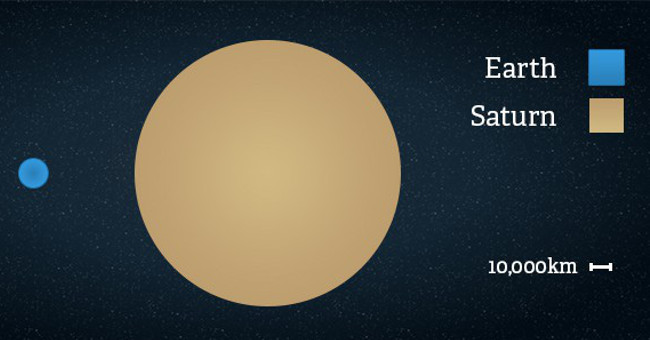
Saturn is the planet with the widest belt system in the Solar System. Other planets also have a belt, but Saturn's belt is the only belt visible from Earth.
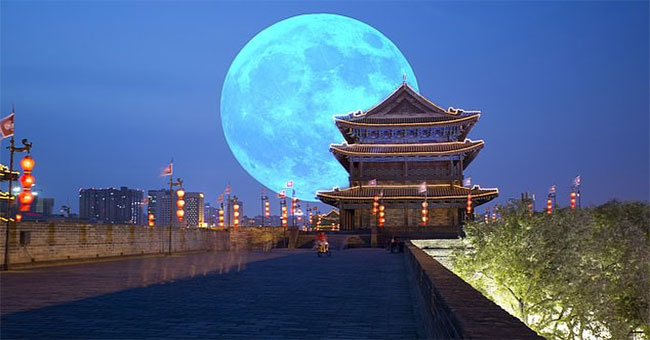
Both Chinese and billionaires Elon Musk (USA) have ever made plans to manufacture the Moon or the artificial Sun ... However, there is still a long distance between drea…
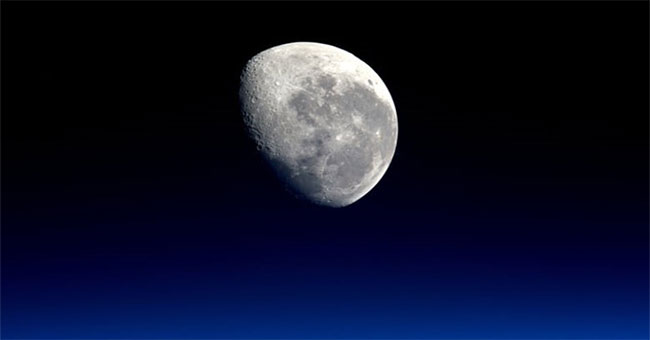
The Russian Federal Space Agency (Roscosmos) is studying the feasibility of the idea of using rock on the moon to produce construction materials with 3D printing techn…