
Medicine - Health
Stress can cause itching
Stress activates immune cells in mouse skin, making them feel itchy. The same mechanism can occur in humans.
Browse ScienceInfo articles and explainers related to Mouse.
444 published items.
Stress activates immune cells in mouse skin, making them feel itchy. The same mechanism can occur in humans.

Research shows that our brains also like a little bit of argument, so it is not surprising that there is too much violence in the world. Scientists who have proved aggre…

Recent experiments by US scientists have shown that human stem cells can heal heart muscle damage, improve heart function and slow heart failure in mice.
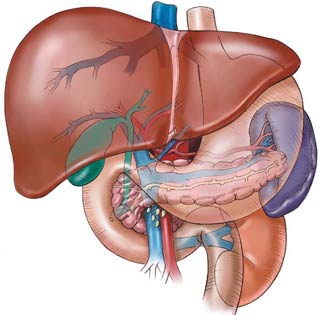
Researchers at the University of Science and Health have come up with a way to turn a mouse into a plant to get human liver cells, and can be used to check if medication…

US scientists have created insulin from lettuce to treat diabetes. After successful mouse tests, this type of insulin is being tested on humans, opening up the opportuni…

People who work side by side with computers often pay attention to how to protect their eyes from electromagnetic radiation, not to protect their hands. In fact, using m…

With only 3 or 4 sperms, scientists can duplicate countless enough to help infertile men have children. This prospect is wide open after success on the mouse.

Long-lasting ultrasound waves in the mouse fetus' brain disrupt a process of neuronal shift, according to a team at Yale University in Connecticut, USA.
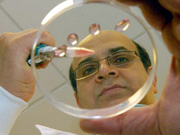
Scientists from Georg-August University (Germany) have succeeded in cultivating artificial sperm from stem cells for the first time for the first time.
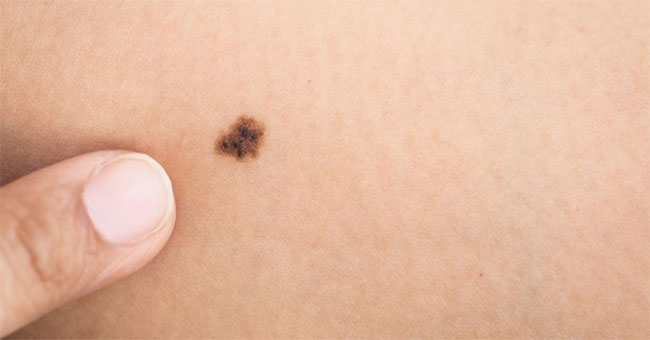
A study recently published in the Proceedings of the American Academy of Sciences (PNAS) will bring good news to skin cancer patients, particularly those with melanoma.
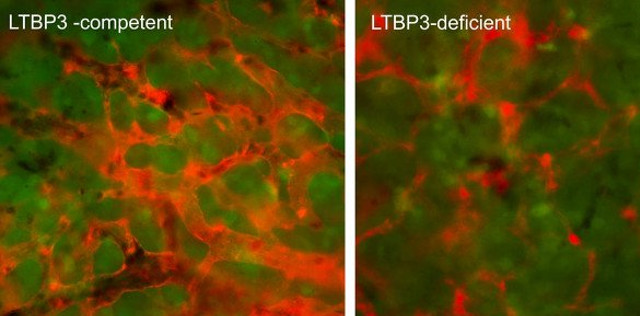
The cancer is like mice in a mouse-beating game, where it beats it elsewhere, which is why it is hard to beat the disease.
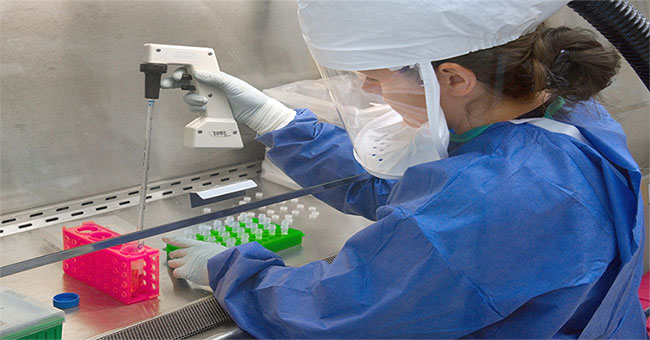
Russian media on October 23 reported that scientists have invented a device for early diagnosis of cancer and tuberculosis.

The group of Tokyo University scientists led by Takashi Sudzi studied embryonic cells that created teeth in mice.
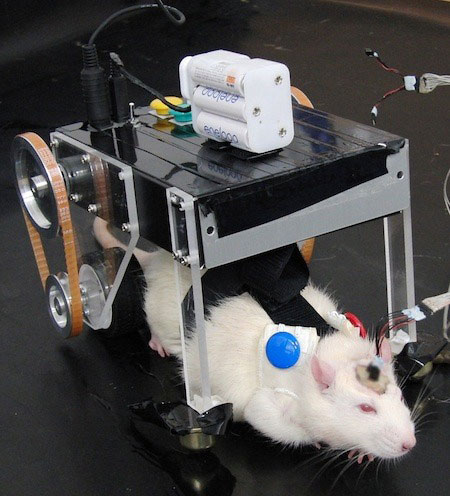
Recently, the Conference of the Society
With the help of a strong electromagnetic field, American scientists have allowed mice to fly for several hours in the air.