
Discover science
Tonight is the best time to see Jupiter
Astronomers all know that June is the 'golden' time of the year to see Jupiter at the time of its brightest and biggest in the night sky.
Browse ScienceInfo articles and explainers related to NaSa.
3,231 published items.
Astronomers all know that June is the 'golden' time of the year to see Jupiter at the time of its brightest and biggest in the night sky.
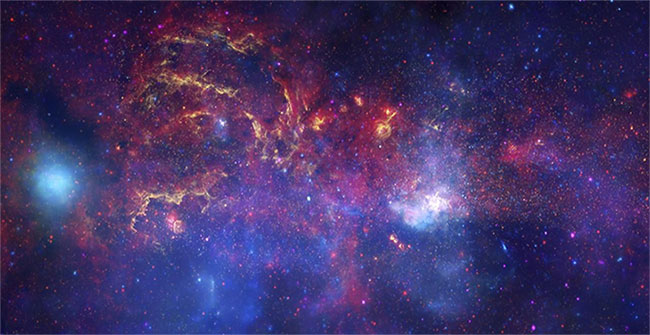
NASA just has a move that enchants the world-wide cosmic enthusiasts that they have opened all of their photo, video and audio collections for everyone.
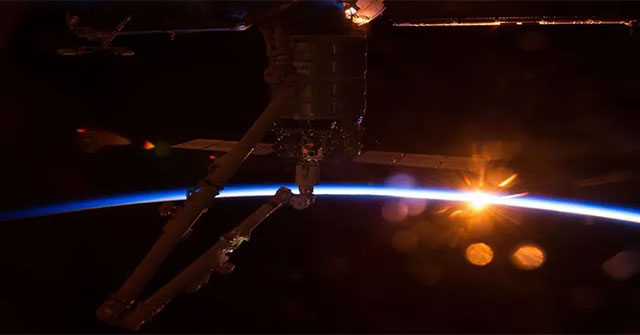
Information from NASA surprised many people and hoped to see the Earth from space.
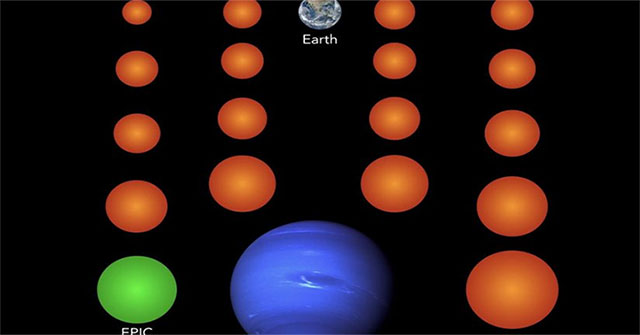
Reviewing the legacy of NASA's planetary hunter Kepler with new algorithms, scientists found 18 buried Earth-sized planets at the same time.
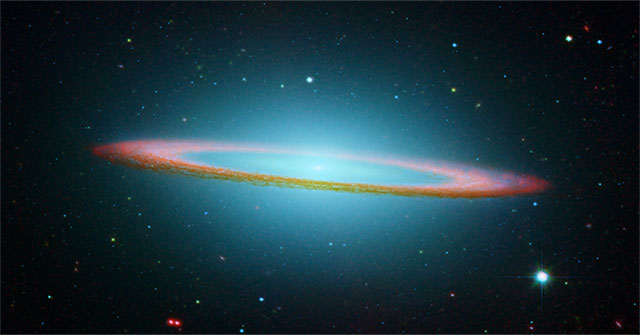
Spitzer Space Telescope (Spitzer Space Telescope) named in honor of legendary scientist Lyman Spitzer Jr. has made countless valuable contributions to the astronomy fiel…
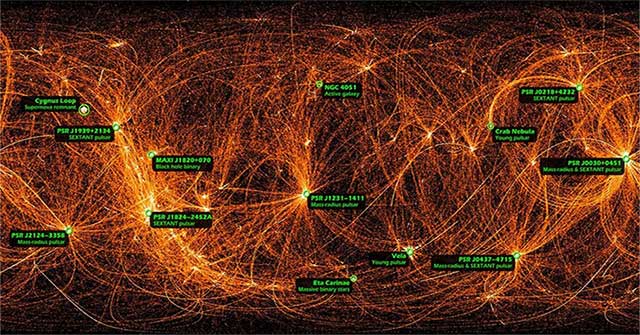
With X-ray technology, NASA's US agency has built a map of stars in space. This achievement is the foundation for future astronaut navigation system.
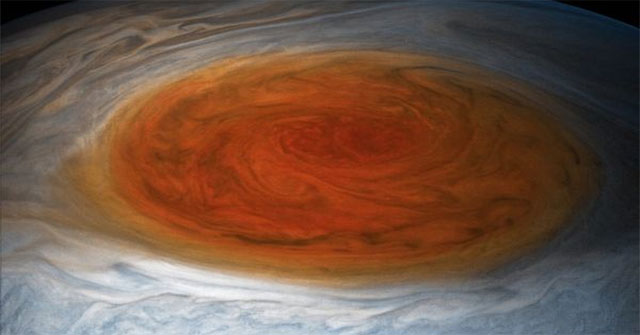
Astronomers say the giant storm on Jupiter, famous for the name 'Big Red', is gradually melting over time.
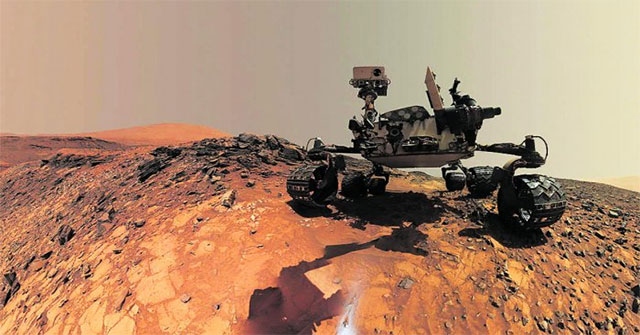
Robot discovered Curiosity of the US Aerospace Agency (NASA) recently discovered the largest amount of clay minerals since the robot was put on Mars in August 2012.
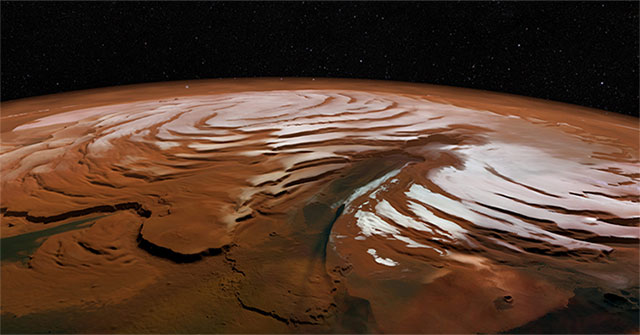
NASA has announced a concussion discovery, when they found giant ice sheets at the northern pole of Mars.
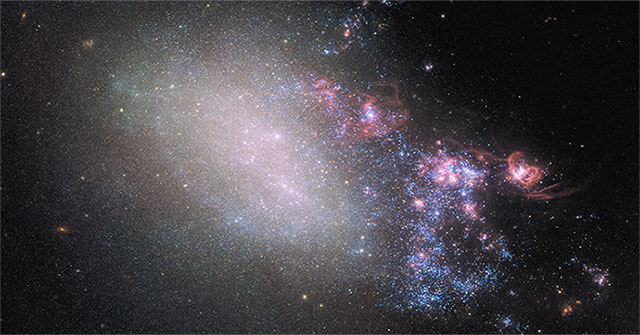
NASA / ESA's Hubble hunter captures spectacular spectacle and may be our future image, when the Milky Way galaxy collides with neighbors.
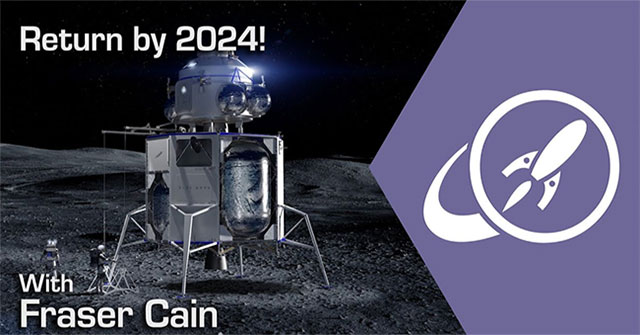
After watching this great video from NASA, the dream of being a childhood astronaut is about to return.
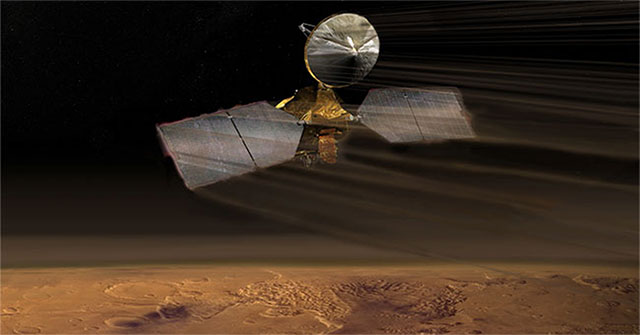
MRO probe, with a flying speed of more than 12,000km / h, reaches a new milestone in the journey to collect data about the red planet.
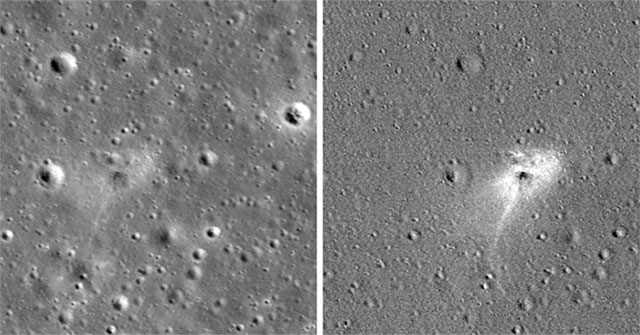
NASA has just released an image of the landing area of the Beresheet spacecraft, Israel more than a month after it landed on the failed Moon.

NASA plans to bring the first woman to the Moon by 2024 and this project is named Artemis.
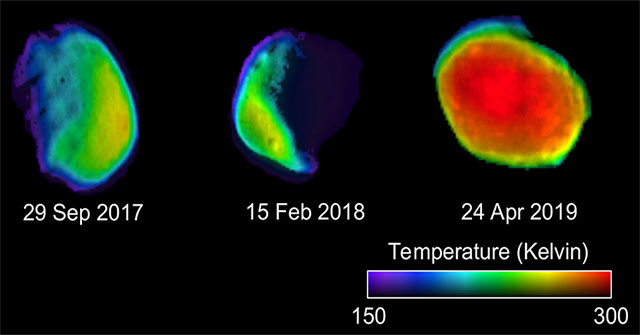
For the first time, the spacecraft orbits the Mars Odyssey orbit of the US Aerospace Agency (NASA) that captured the full moon image from Mars's Phobos Moon.