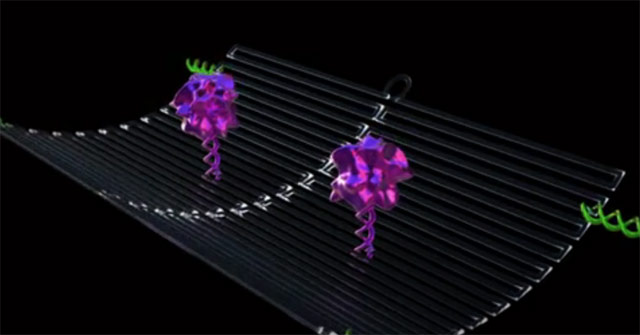
Discover science
MIT found a way to shrink matter to the nanoscale
A major breakthrough in nanotechnology is thanks to a simple material that you can find in any nursery.
Browse ScienceInfo articles and explainers related to Nano.
335 published items.
A major breakthrough in nanotechnology is thanks to a simple material that you can find in any nursery.
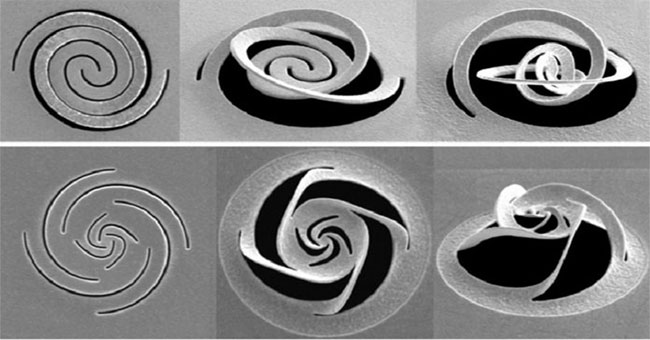
Currently, when nanotechnology is on the throne, many tiny devices are born. And because of the nano size, the components also have a very small demand.

According to the IB Times, the Earth absorbs a large amount of sunlight, which in turn leads to almost constant emission of infrared radiation, estimated at millions of…

Scientists have long been attracted to special physical properties near absolute zero, 0 ° Kelvin temperature, or -273.15 ° C, the temperature at which matter no longer…

Recent research by scientists has shown that nanoparticles may be the solution to increasing food production in the future but do not affect the use of environmental res…

Concrete, what can we say about it? A very popular construction material in modern life, some people know it is the result of mixing cement, water and lime ... and what…
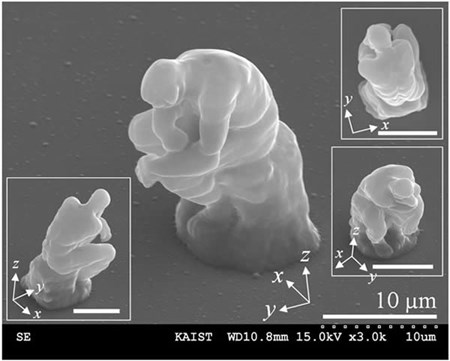
A number of ultra-small objects, considered to be the smallest objects on the planet, make many people surprised and surprised.

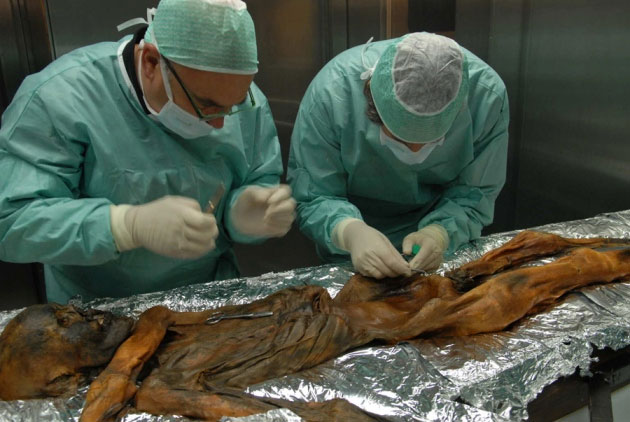
Head of the scientific team, Albert Zink, a researcher at Ludwig Maximilian University in Munich, Germany, used nanoscale methods to test the oldest blood samples discov…

According to research by the University of St Andrews, about 1.5 million microscopic nano diamond molecules are created every second when a candle burns.
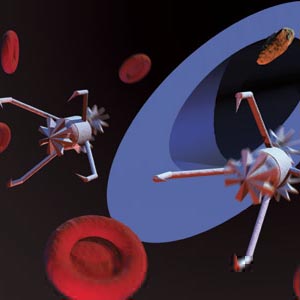
The future of humankind will change dramatically with the development of biotechnology and nanotechnology.
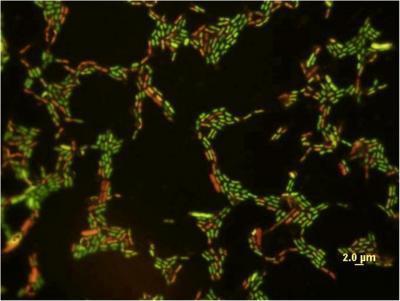
Scientists from Ohio reported that nanoparticles are currently being added to cosmetics, sunscreens, and many other beauty care products may be harmful to the environmen…

The 1,600-year-old cup from ancient Rome is turquoise when light shines from the front and turns red when light shines from behind.

Recent research has strengthened the theory that comets are the culprits that caused the mass extinction of ancient animals around 12,900 years ago.

Scientists were surprised when they discovered that a glass made by the Romans 1,600 years ago used techniques similar to modern nanotechnology.