
New technology
New material to collect CO2 is extremely effective
A new material, called the cheap Nott-300, promises to be used in carbon capture technology to reduce CO2 emissions.
Browse ScienceInfo articles and explainers related to New Materials.
132 published items.
A new material, called the cheap Nott-300, promises to be used in carbon capture technology to reduce CO2 emissions.
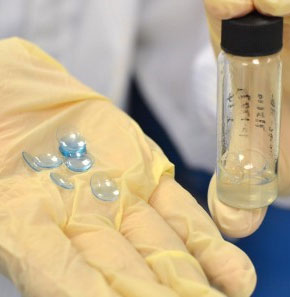
Under the microscope, the structure of the polymer coating is like a sponge. Positive charge on the surface of the mantle will attract bacteria like a magnet because the…

Scientists are gradually getting closer to creating self-healing plastic, containing the sci-fi features of science fiction for everything, from aircraft that repair bro…
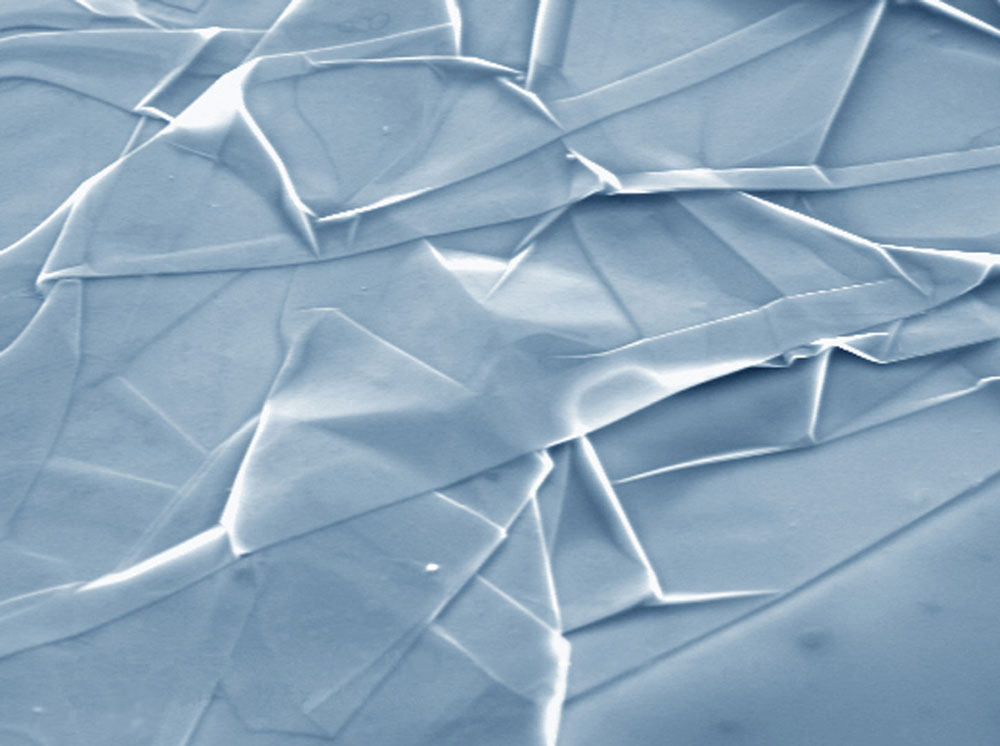
US scientists and technology have discovered an unlimited application of new materials graphene - a high-tech material that is harder than steel and lighter than bird fe…
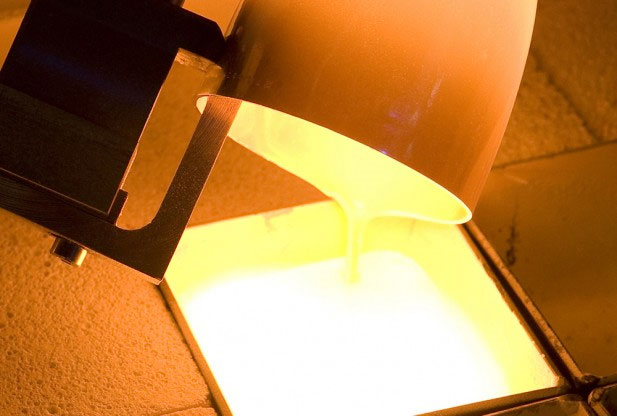
Researchers at the Fraunhofer Institute in Germany have created a robot capable of analyzing characteristics and developing new types of glass. This robot was introduced…

Researchers including Do Quang Minh, Tran Thi Thu Thuy, Department of Silicat Materials, Ho Chi Minh City University of Technology have studied the effect of barite on t…
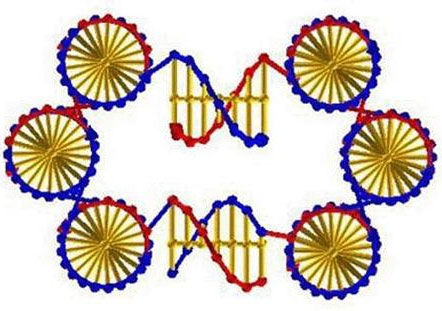
Scientists working at New York University (NYU), the United States believe they can create materials that are self-replicating, based on new research.

Researchers at the University of Nottingham in Ningpo, China, have created a new type of heat-sensitive material that can cut heating and cooling costs for buildings.
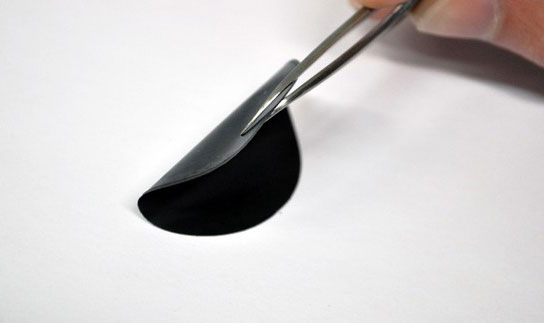
Light, thin but tough and tough, these are the preeminent features of the material that have been successfully fabricated by scientists at the University of Technology i…
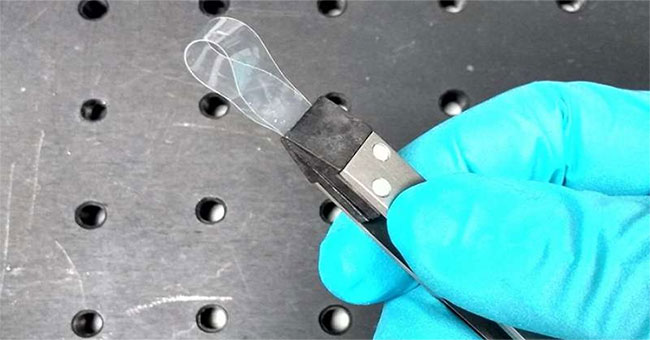
Commonly, when we stretch everything, they become thinner. However, this is not always true; Some things, like cats' skin, have 'auxetic' stretching properti…
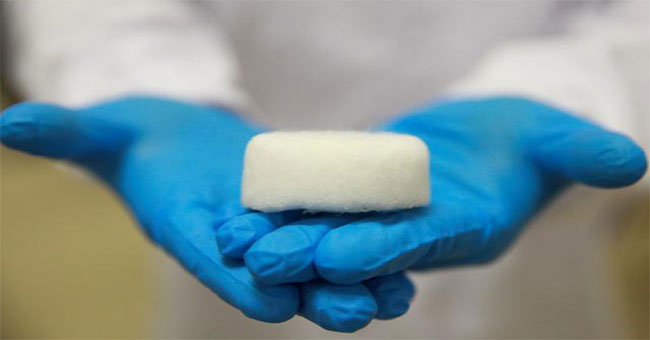
Singapore researchers are filing a patent application for a new lightweight, heat-resistant, lightweight material made from recycled plastic.
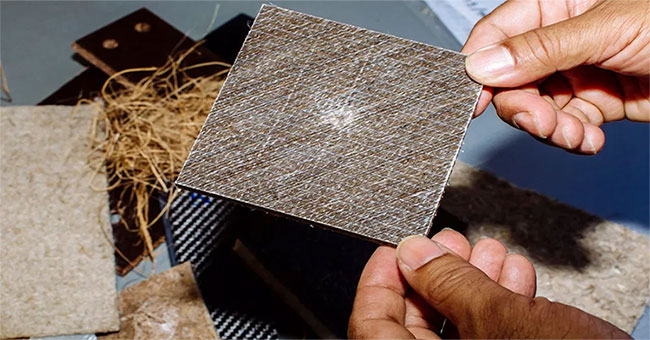
Scientists from the University of Portsmouth and Cambridge have successfully developed a new biomedical material from date biomass, said Phys.