New technology
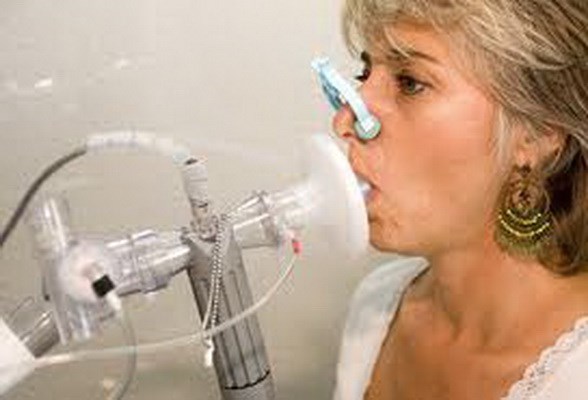
Nano-electronics can detect the risk of stomach cancer
A type of nanotube designed to detect stomach cancer molecules through the breath also identifies lesions that can develop into this common disease.
Browse ScienceInfo articles and explainers related to Nose.
376 published items.
A type of nanotube designed to detect stomach cancer molecules through the breath also identifies lesions that can develop into this common disease.
ART21 and Lithuania's Kaunas University of Technology co-created the world's first mobile electronic nose that can determine the quality and freshness of meat an…
After the alarm, the smell of passionate coffee or the smell of barbecue nose will radiate out, pulling those who are asleep to wake up from the bed.
Honeywell has recently developed a sensor that allows devices to be able to
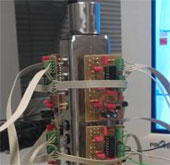
Experts from the Polytechnic University of Valencia in Spain and Gavle University in Sweden have created electronic nosepieces with 32 sensors that capture the fragrance…

In addition to causes such as dust, pollen, house dust, perfume, smoke ... the weather changes erratically at the time of the season is also the cause of the increase in…
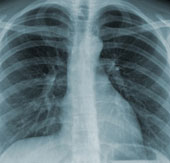
Bangladeshi and Dutch scientists have developed tuberculosis diagnostic devices and named eNose (electronic nose).
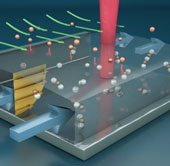
The new bio-based design of odor receptors in dogs is capable of rapidly detecting hazardous chemicals.

People who use their nose to look for toilets at the La Providence golf course in Quebec, Canada do not do that now because all toilets are completely '

The 'electronic nose' discovered the smell of a companion. This is a 'word blade', a method used to 'taste' the food and identify the ingredients…
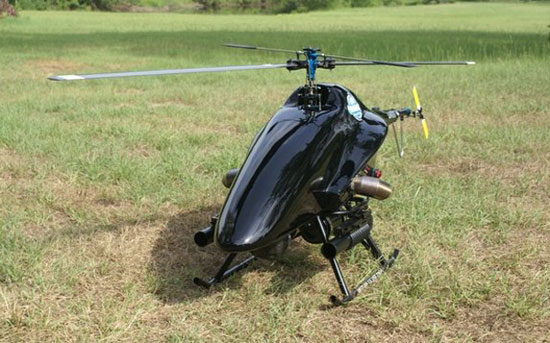
Shadowhawk UAV unmanned helicopters, with the ability to shoot short and grenade launchers, are the latest vehicles used in the fight against crime.

Scientists from the Institute of Nanotechnology, Institute of Chemical Engineering, University of Haifa (Israel) have successfully researched the next generation of elec…
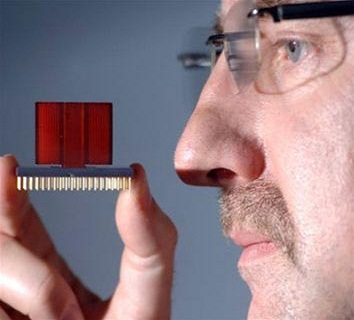
Bionic electrons can diagnose fast, accurate and localized cancers such as lung cancer, breast cancer, prostate cancer.

A team at the University of New South Wales has created an electronic nose that detects smokers quickly and accurately.

Fingerprints and the eye are often used to identify a person, but according to the researchers, the nose is the one that helps identify the person faster and easier.