Space science
From the next 5-15 years, China will bring people into space
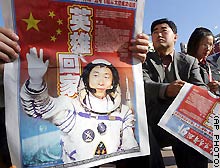
On November 30, Vietnam News Agency (VNA) reported that China has set a target for the next 5 to 15 years to bring people into space.
Browse ScienceInfo articles and explainers related to Observation.
312 published items.
On November 30, Vietnam News Agency (VNA) reported that China has set a target for the next 5 to 15 years to bring people into space.
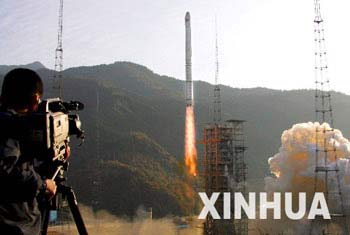
China may launch Fengyun-3 (Feng Yun-3 or FY-3) weather forecast satellite this fall to improve its global weather forecast.
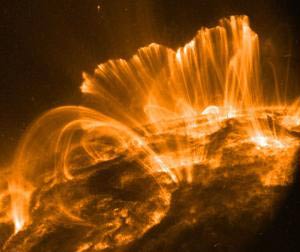
New measuring equipment and observation techniques developed by researchers at the University of Illinois, Urbana-Champaign are helping scientists better understand and…
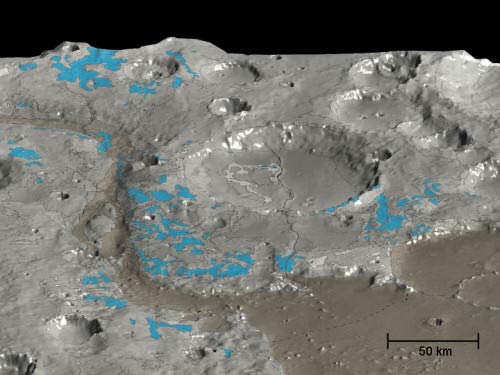
NASA scientists say the latest Mars spacecraft has been discovering new clues to the ancient environment and the recent environment on the red planet during its first ob…

The group of British and American scientists first observed directly a very bright new supernova (supernova), occurring in the constellation Belier in the galaxy about 4…
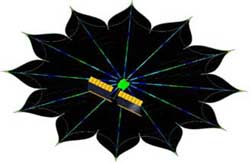
Like a hand in front of the eyes to reduce the glare of the Sun, a giant sunshade with a flower-like shape extends its wings in space to allow direct observation of the…
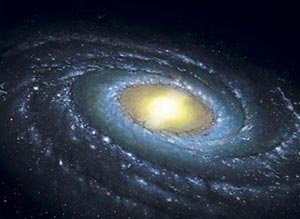
Through space observations from ground and space telescopes, for the first time, American astronomers have discovered a huge number of the youngest, most distant galaxie…
With the use of microphotography and the new space observing facility called OGLE, astronomers at Ohio University (USA) discovered
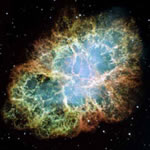
This is an image of the Crab Nebula that looks like a giant mosaic made from Hubble telescope observations and accurately represents the rest of the cosmic material afte…
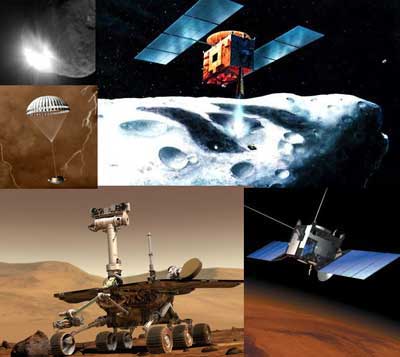
In 2005, scientists continued to discover the solar system's mysteries through spectacular landings and interesting observations ... Beginning with the fact that the Huy…
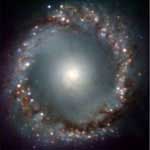
With the 8.2-meter European VLT telescope, scientists have captured an extremely clear picture of the environment around the central black hole of the Thien Ha strip NGC…
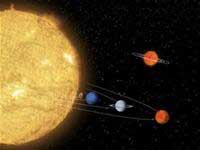
Astronomers have discovered what they believe is about to be the birth of the smallest solar system: from astronomical observations from the ground as well as from space…
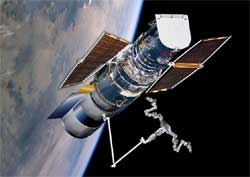
Yesterday, officials from the US Aeronautics Agency (NASA) said they were using the unique ability of the Hubble Space Telescope to make new scientific observations of t…
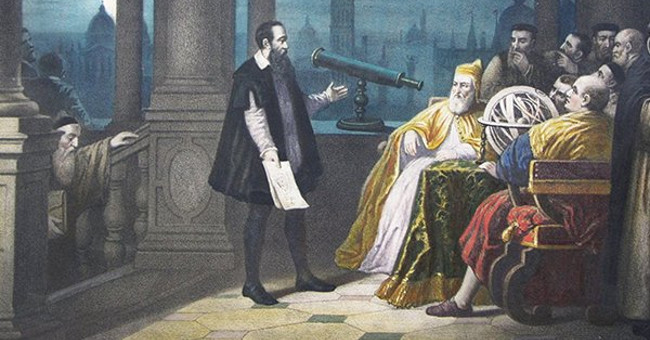
Galileo Galilei (1564-1642) was an Italian astronomer, physicist, mathematician and philosopher, who played an important role in the scientific revolution.

Germany has successfully researched a new method that can conduct high-speed and large-scale observations of the interaction between two proteins in mammalian cells.