Space science
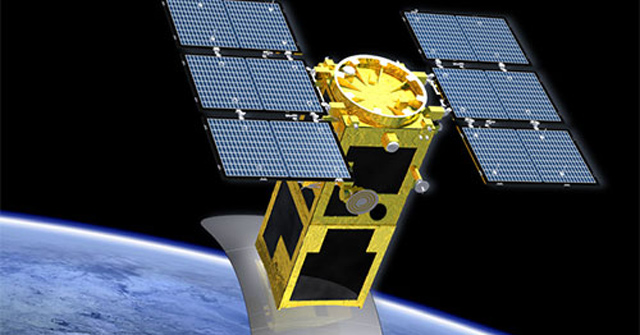
Micro - Dragon satellite of Vietnam will launch in Japan
Next December, the Epsilon missile will launch the Micro-Dragon satellite. This is an optical satellite that can observe coastal waters.
Browse ScienceInfo articles and explainers related to Observation.
312 published items.
Next December, the Epsilon missile will launch the Micro-Dragon satellite. This is an optical satellite that can observe coastal waters.
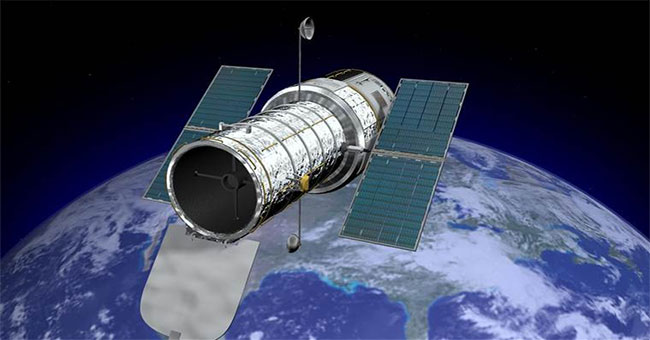
Speaking in a statement on October 8, NASA representative said one of Hubble's three gyroscopes had problems.
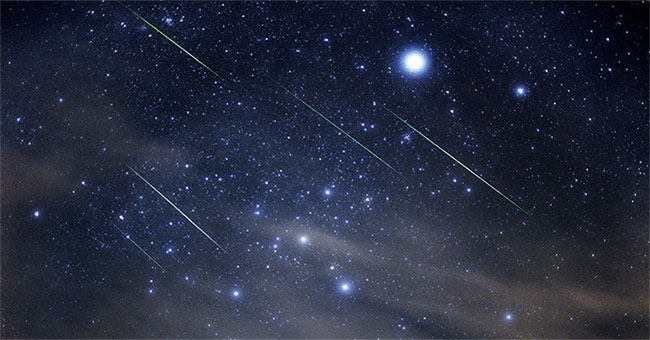
Thien Long meteor shower (Draconid) will take place from Saturday 6 October and maximum on Monday night, October 8.

On October 3, Japan's unmanned aerial probe Hayabusa2 brought Mascot - a new observation robot - onto the Ryugu asteroid.

NASA announced the video illustrating the asteroids discovered from January 1, 1999 to January 2018, Space on July 24.
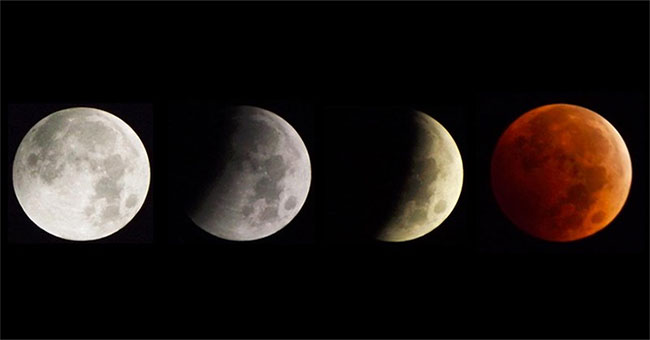
The longest eclipse in the twenty-first century will happen on July 27 (midnight on July 28 morning in Vietnam time).

The total eclipse that happened on the night of 27/7 is one of the 2 full lunar eclipses that occurred this year and is one of the most astronomical events to look forwa…
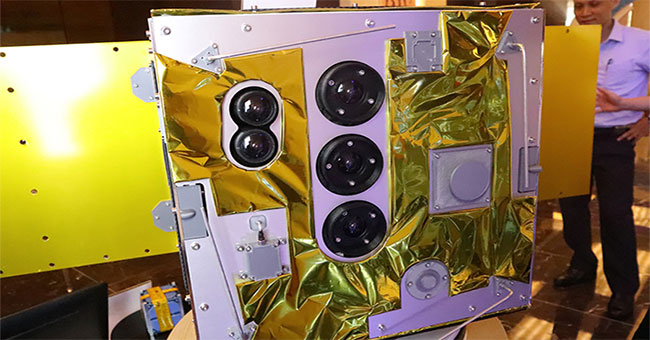
Micro Dragon was built by 36 Vietnamese engineers, from the Vietnam Space Center, Vietnam Academy of Science and Technology (VNSC) since 2013.
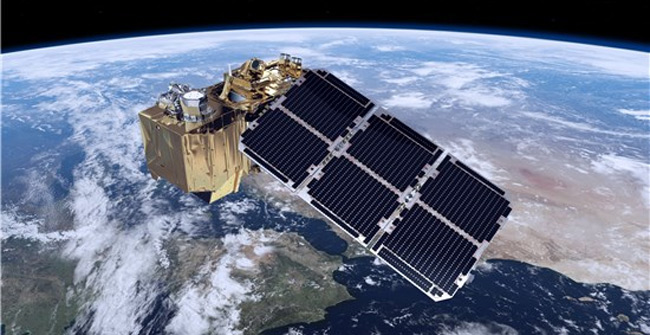
Europe has just launched into the satellite orbit of the 7th Sentinel Earth as part of the billernicus project worth billions of euro.
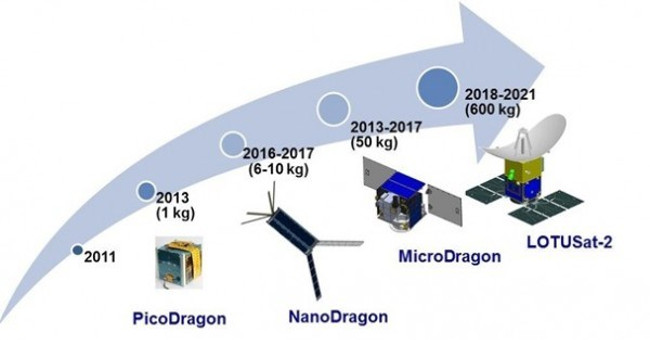
Micro Dragon is Earth observation satellite, weighing 50kg, size 50 x 50 x 50cm.
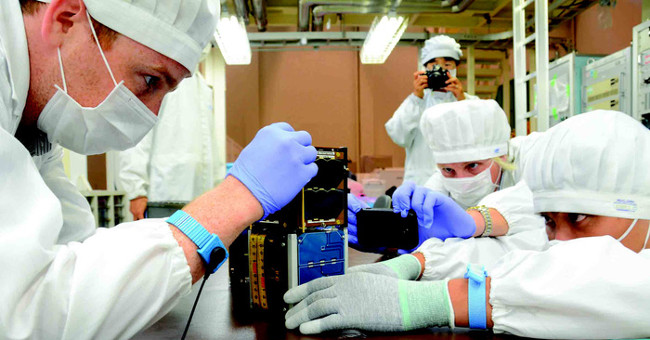
The MicroDragon satellite, designed and researched by researchers at the National Space Center, is ready to launch into orbit in 2018 by Japanese Epsilon missiles.
The mass of this galaxy is 33 million solar masses. According to the study, the emission lines of Balmer and Fe II of this galaxy show that it is the nature of the NLS1…

Asnaro-2's mission is to provide images of areas affected by natural disasters or deforestation for research institutes and local governments.
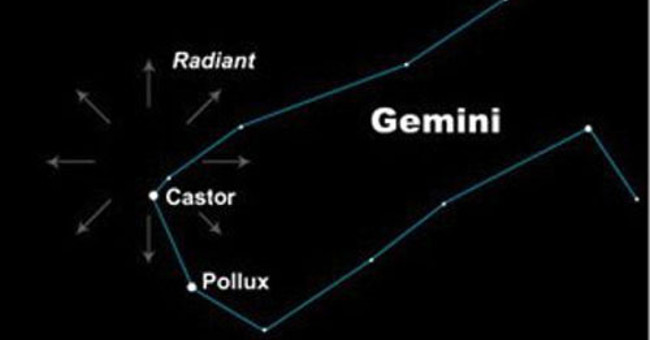
Viewers who do not need any astronomical device can still see the largest meteor of the five Geminids with 120 tracks an hour at their peak.
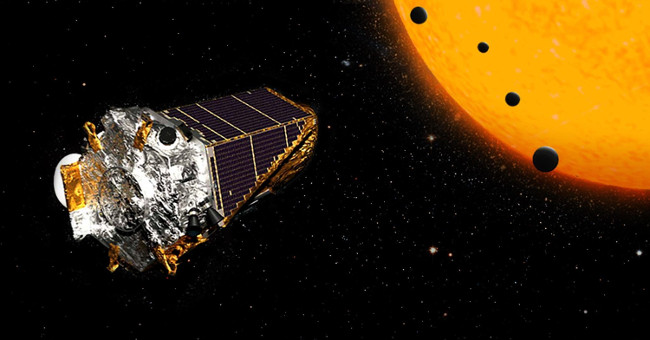
NASA will share the latest discovery from the Kepler space telescope that specializes in hunting extrasolar planets that can contain life.