Space science
Close up of a star's death
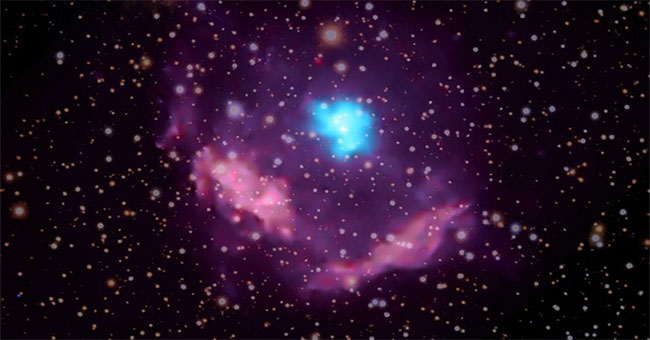
The first image was taken by Chandra X-ray Observatory of the US Space and Aeronautics Agency (NASA), showing the youngest pulsar that scientists have ever seen.
Browse ScienceInfo articles and explainers related to Observatory.
325 published items.
The first image was taken by Chandra X-ray Observatory of the US Space and Aeronautics Agency (NASA), showing the youngest pulsar that scientists have ever seen.
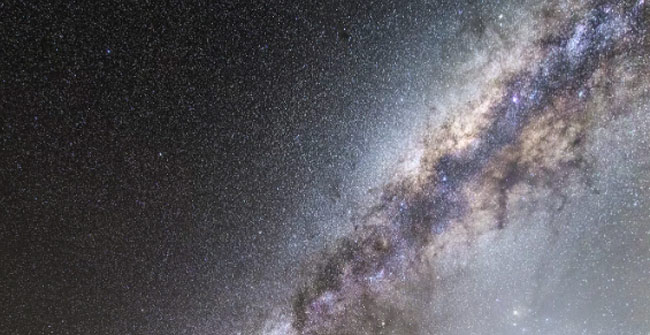
The unexpected ALMA observatory captures a new moment of the Milky Way in a magical night. This photo was taken by the ALMA Observatory in Chile at 5,000 meters above se…
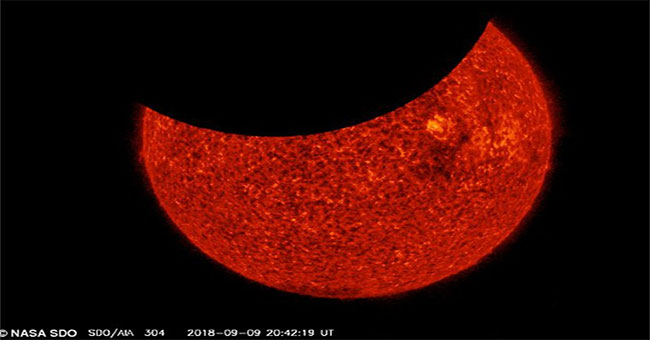
The amazing animation NASA has just shared is made up of many continuous sun images of Solar Dynamics Observatory (SDO), an astronomical observatory placed on a self-pro…
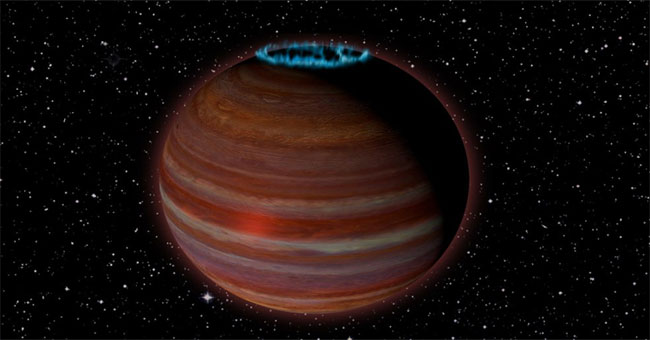
According to research published in The Astrophysical Journal, the planet named SIMP J01365663 + 0933473 has about 12 times the mass of Jupiter.
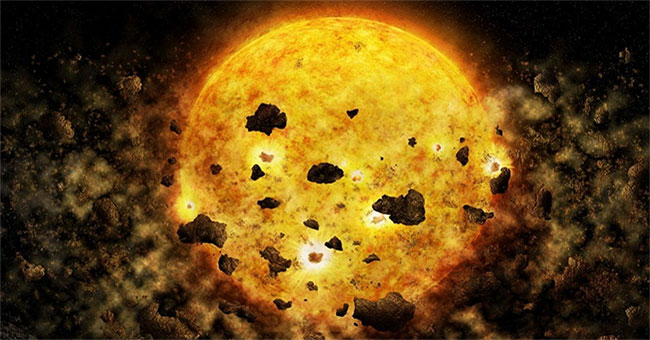
Scientists can first observe a young star
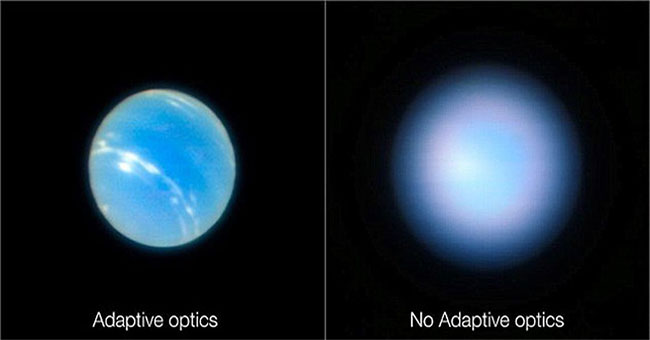
The Very Large Telescope (VLT) of the Southern European Observatory (ESO) has received the first light rays after activating the new adaptive optical mode.

With an engine boom of up to 200 decibels, exceeding 80 dB above the human hearing threshold, the rocket emits sound waves strong enough to shake the buildings, causing…
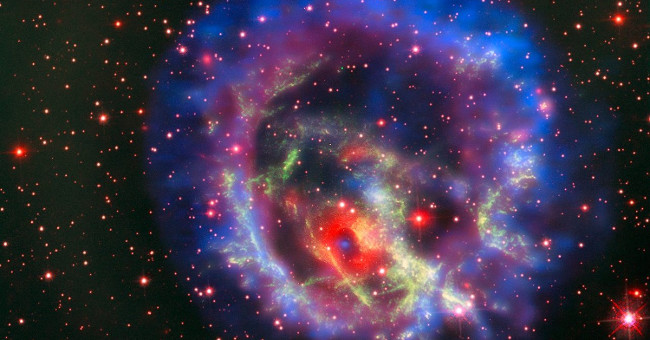
The new neutron star has been identified as a rare star, has a low magnetic field and has no companion with any star.
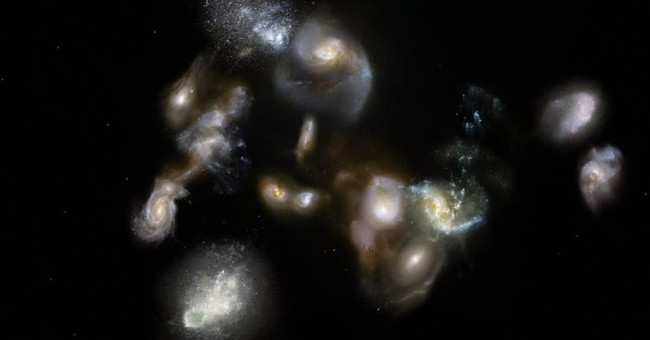
By looking at the ancient past of the universe, the researchers found collisions beginning about 1.5 billion years after the Big Bang, much earlier than originally antic…

Daniel Bamberger, Northolt Branch Observatory, London, England, said the 2010 WC9 asteroid was discovered in November 2010 but did not see it since December 2010.
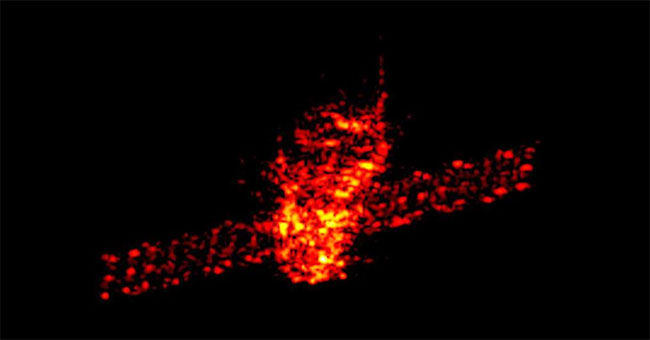
The Fraunhofer Institute of High Frequency Physics and Fraunhofer Radar Technology published two radar images of Thien Cung 1, a Chinese space station that is losing con…
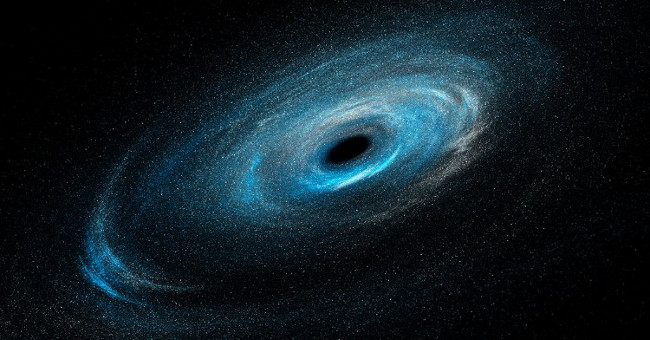
The cosmic black hole is an area of space with extremely strong gravitational force, nothing can escape when approaching them, including light at a speed of 300,000 km…
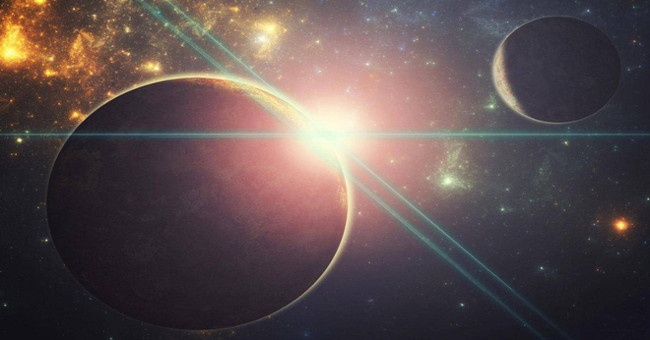
But you probably already know, the universe has a multitude of different galaxies, the Milky Way is just a part of it.
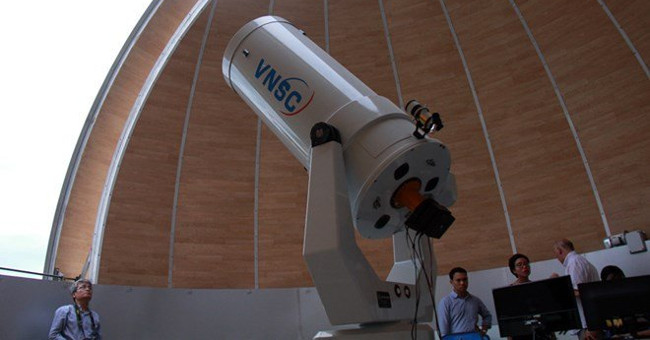
Nha Trang Observatory is urgently coordinating with other units to implement training to promote dissemination of knowledge about space science and technology to serve t…
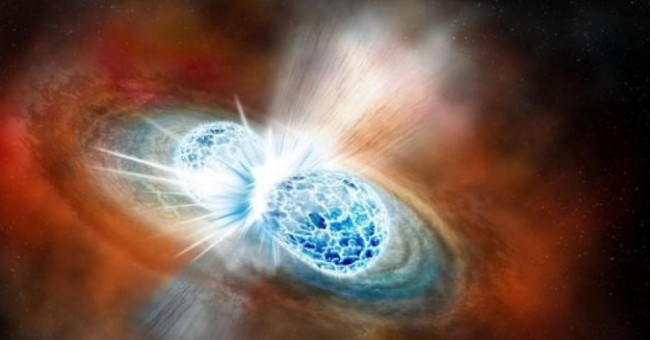
Experts say the explosion that occurred 130 million light years ago generated about half of the universe's gold, platinum, uranium and mercury.