Space science
Russian spacecraft 'resting' in the Pacific Ocean
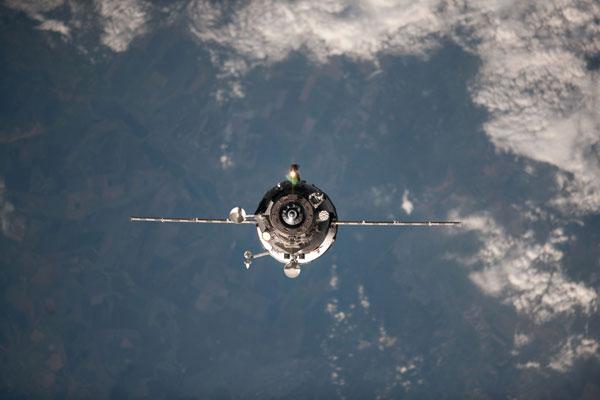
Russia's unmanned space transport ship Progress M-15M has ended its mission to bring goods to supply to the International Space Station (ISS) after being sunk in the Sou…
Browse ScienceInfo articles and explainers related to Ocean.
1,955 published items.
Russia's unmanned space transport ship Progress M-15M has ended its mission to bring goods to supply to the International Space Station (ISS) after being sunk in the Sou…
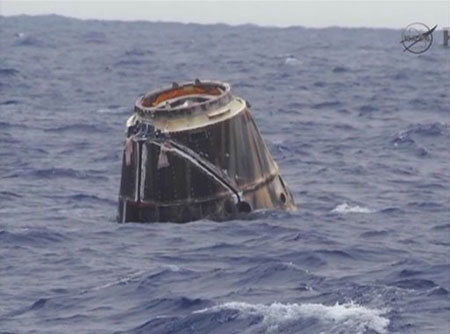
SpaceX's US unmanned aerial spacecraft (US) yesterday landed in the Pacific Ocean off the coast of California, ending a successful trip of nearly 10 days. The return of…
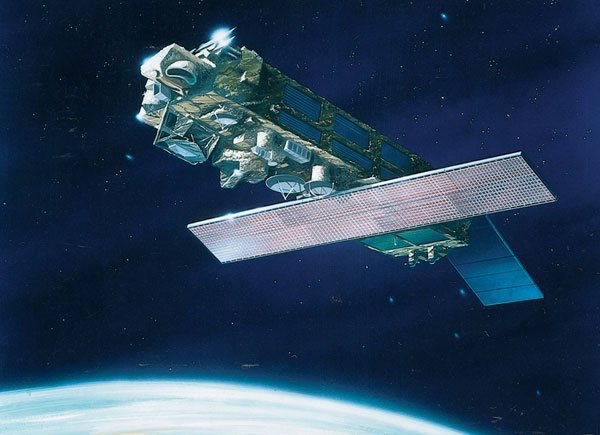
The European Space Agency (ESA) announced yesterday that it had lost contact with Envisat, the largest earth-tracking satellite in human history. Envisat operators did n…
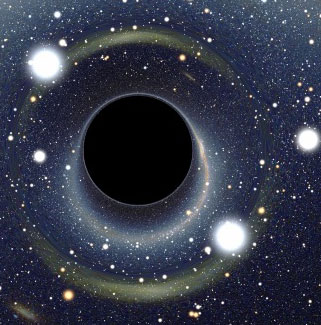
Black holes are one of the strangest spaces of the vast universe. Because of its large size it distorts space and time, and because of its dense material density its min…
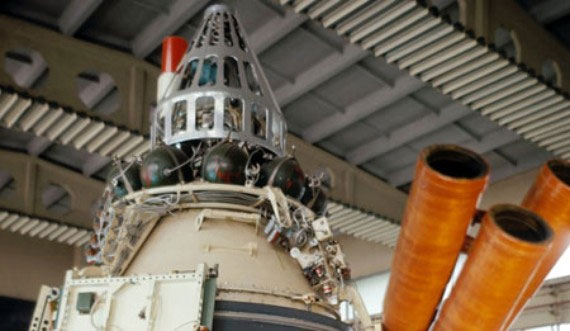
Russian media said the fragments of the country's inactive military telecommunications satellite Molniya-1T fell off the Pacific Ocean on April 7.
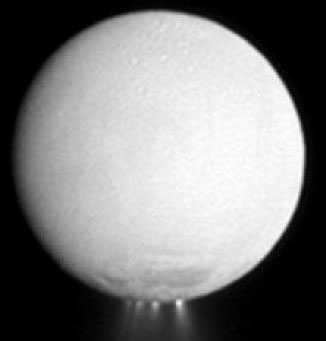
On March 28 (VN time), the Cassini probe has flown across Saturn's moon Enceladus to the lowest level ever. Scientists think there may be an ocean on this moon.
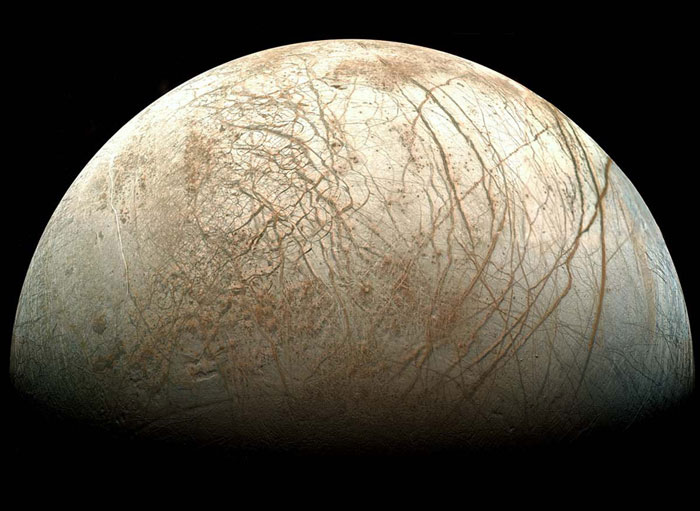
Well-known NASA researcher Steve Squyres has proposed the idea of bringing a submarine robot to explore the ice giant on the moon of Jupiter's Europa to find life.
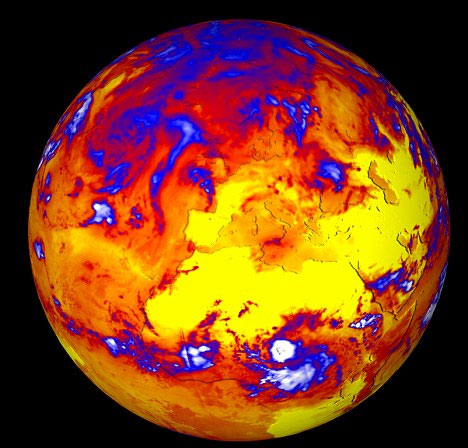
International ocean and satellite experts have deciphered one of NASA's biggest mysteries - where does the sun's energy go down to Earth?
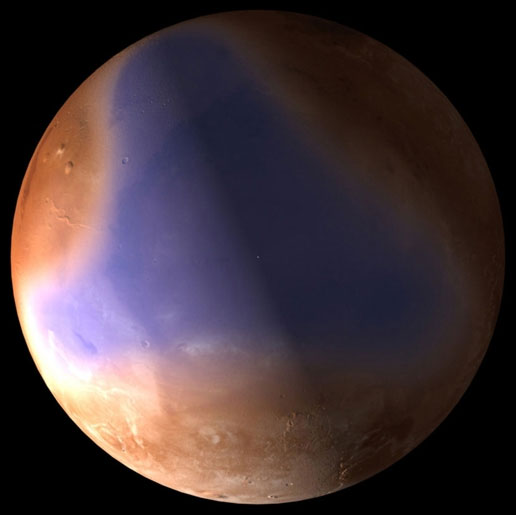
The European Space Agency's (ESA) Mars Discovery program has just proven to have had an ocean that covered part of Mars. The program to use the radar and seabed sediment…
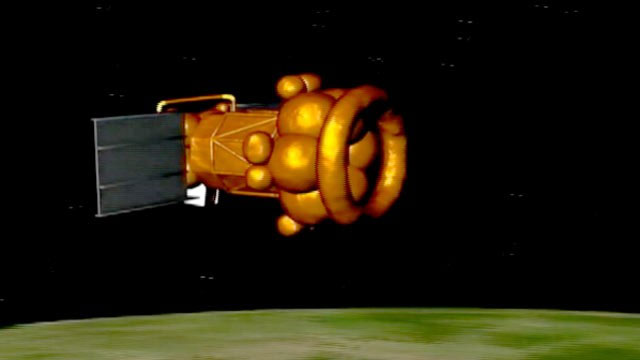
Russian scientists reported that the Phobos-Grunt spacecraft's debris had fallen into the Pacific on Sunday 15 October after failing to complete the mission to explore M…
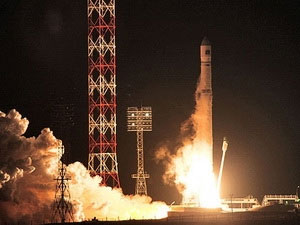
On January 11, the Russian Federal Aeronautics Agency Roscosmos announced the debris of the Phobos-Grunt Automatic Interplanetary Station to probe Mars could fall to the…
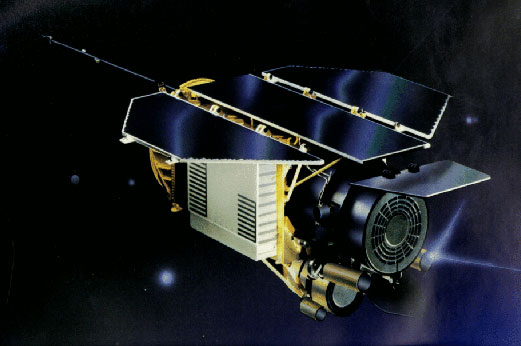
Fragments of the German satellite may have fallen into the Indian Ocean after it crashed into the atmosphere yesterday.
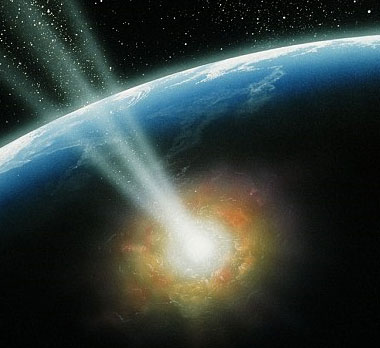
Surrounding the surface of the earth is mostly ocean, scientists say the oceans only formed about 8 million years after the planet was born.
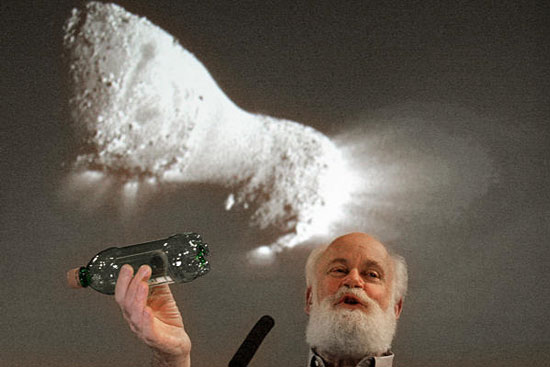
Comet Water Hartley 2 is the most similar to the ocean on Earth compared to the human comets once knew.
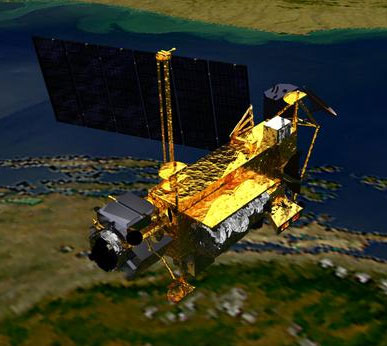
The US Aeronautics Agency (NASA) this afternoon confirmed that their failed satellite had fallen toward the Pacific Ocean, but scientists had not determined the exact lo…