Environment
Ozone layer recovers faster than expected
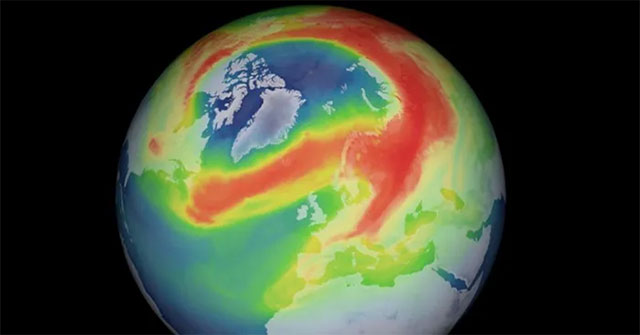
International efforts to protect the ozone layer are a 'tremendous global success,' scientists said on June 12.
Browse ScienceInfo articles and explainers related to Ozone.
118 published items.
International efforts to protect the ozone layer are a 'tremendous global success,' scientists said on June 12.
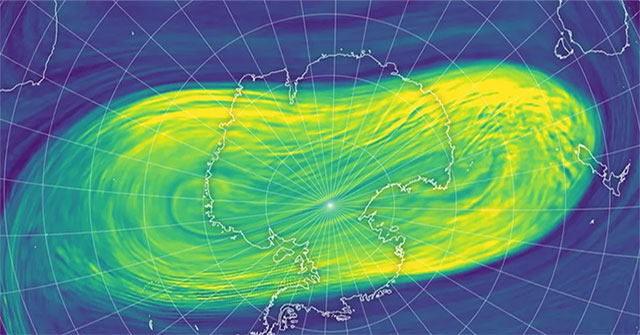
Unusual warming and a strange polar vortex this year have changed the cycle of the ozone hole. Don't celebrate too soon, scientists warn.
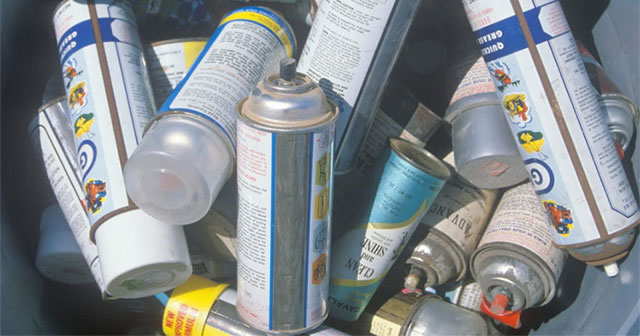
In the early 20th century, Thomas Midgley Jr. personally demonstrated the safety of leaded gasoline and CFC refrigerants, making them commercially successful.

11 scientists were honored for pioneering research related to high-yield rice varieties, the hole in the ozone layer, solar cells, Lithium-ion battery storage, and diabe…
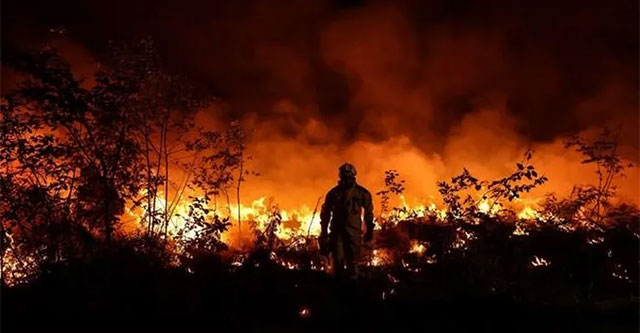
Europe's atmospheric watchdog warns the risk of wildfires is on the rise, with large parts of Western Europe at
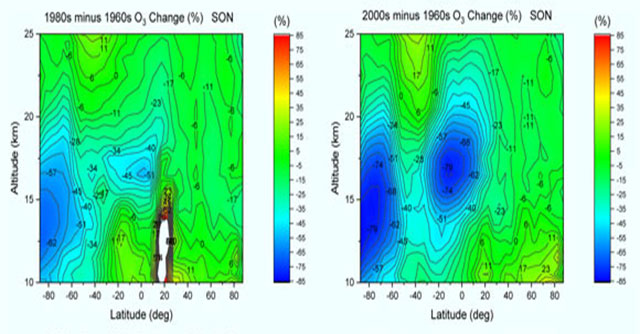
The Earth's ozone layer has appeared a new, extremely large hole, active all seasons in the lower stratosphere than the tropics.

The consequences will be what we and our children and grandchildren have to bear.
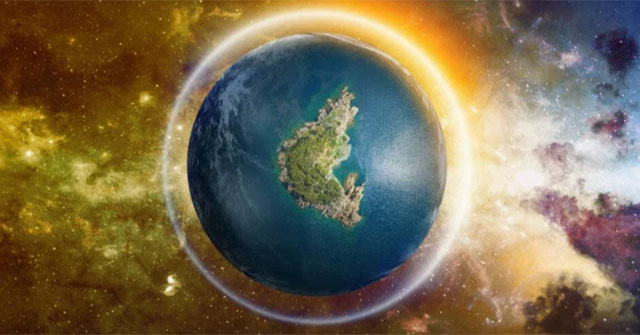
Before the ozone layer was created to protect the Earth from dangerous ultraviolet (UV) radiation, UV radiation levels could have been terrible.
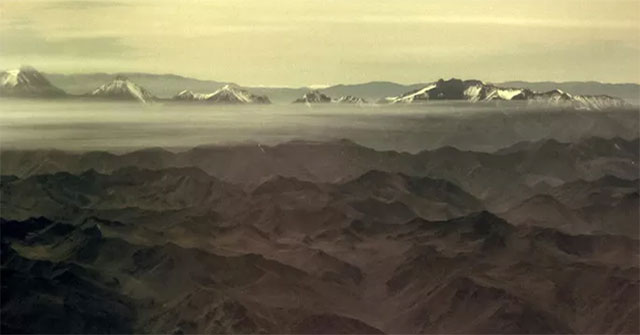
Desert dust - fine and capable of reaching high into the sky like ghosts - has the ability to destroy many pollutants, but also silently causes terrifying effects.
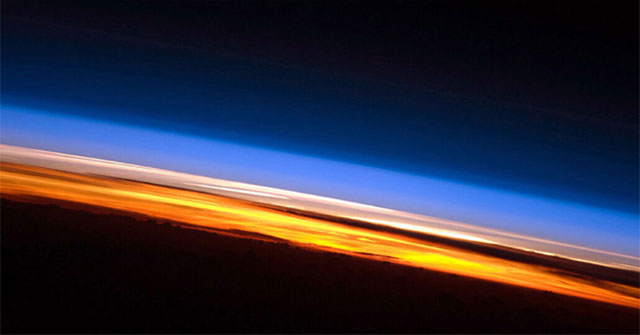
Atmospheric measurements collected by weather balloons in the Northern Hemisphere over the past 40 years show that climate change is pushing the upper boundary of the tr…
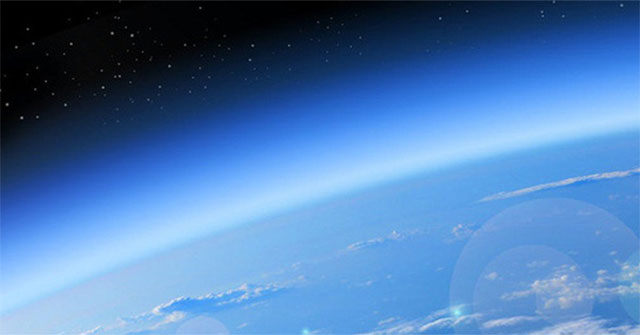
There is a reason and has determined it, but science is still not exhaustive as to why ozone-depleting factors are particularly strong in the first months of this year.
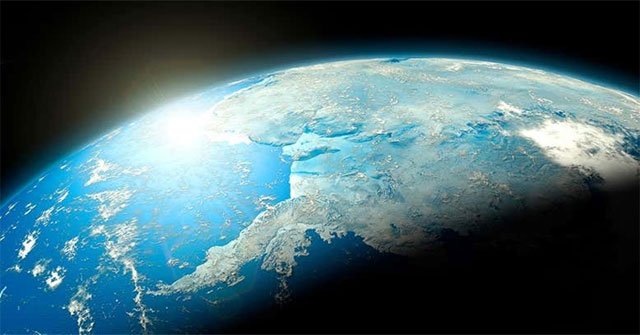
The ozone layer above the Antarctic is continuing to recover and it has led to changes in the atmospheric circulation - airflow on the Earth's surface that causes wind.
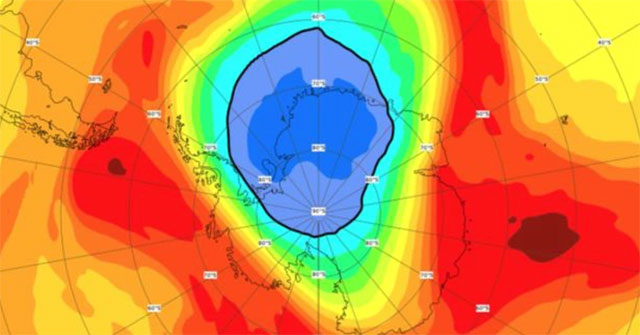
The restoration of the ozone layer in Antarctica cannot be taken for granted and requires constant vigilance.
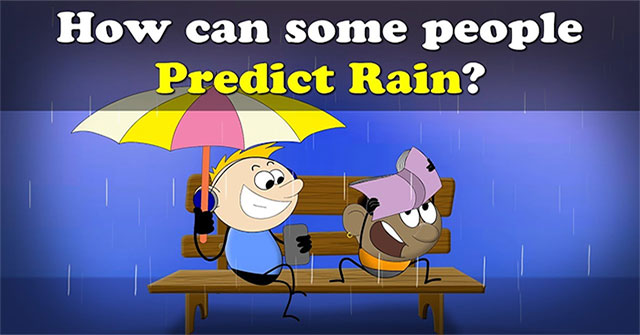
The smell of ozone or aromatic particles in the air can be a sign that heavy rains occur.

From the highest level in 40 years, the Antarctic ice area has reached its lowest level in just four years.