Space science
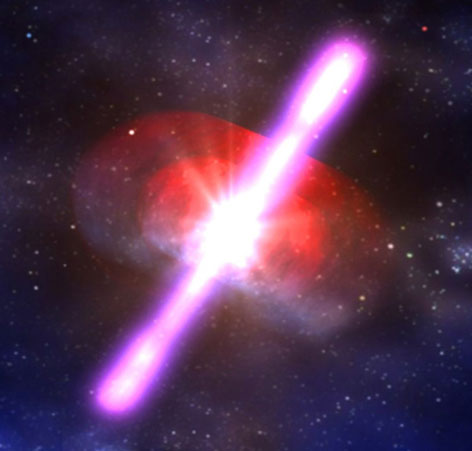
Explosions in the universe destroy life on Earth
According to the latest research by scientists, life on Earth depends very much on explosions that release radiation that occurs in the universe.
Browse ScienceInfo articles and explainers related to Ozone.
118 published items.
According to the latest research by scientists, life on Earth depends very much on explosions that release radiation that occurs in the universe.
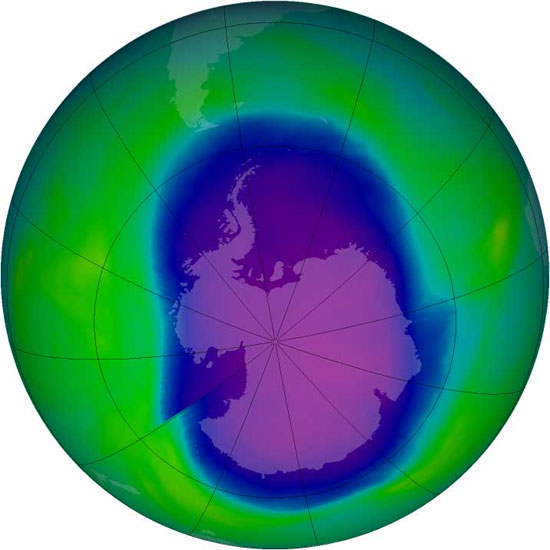
On October 4, Russian scientist Alexander Makshtas in charge of the Russian Federation's Arctic and Antarctic Experimental Station confirmed that the amount of ozone in…
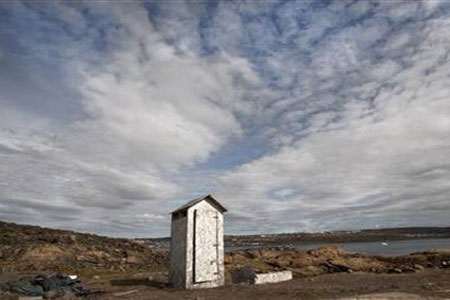
Observations by scientists over the past few months show that ozone depletion in the Arctic has reached a record, according to the World Meteorological Organization (WMO…
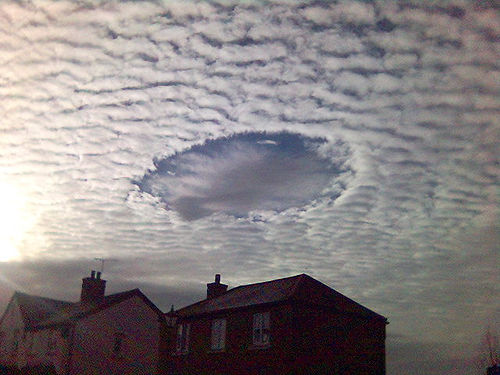
An asteroid falling into the Pacific Ocean stimulates a large amount of evaporated seawater, thereby creating an ozone gap.
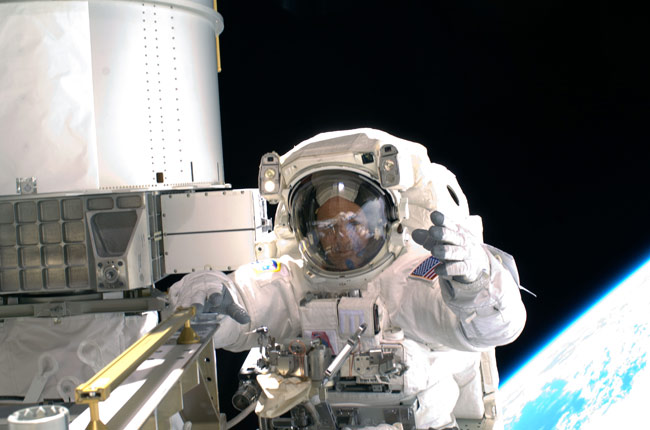
The smell of space will leave a lasting impression on the 7 astronauts on Discovery, after they return to Earth on this Saturday,
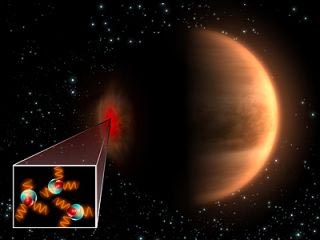
Venus Express first detected hydroxyl molecule on another planet. This discovery gives scientists a new tool to decipher the mechanism of Venus's dense atmosphere.
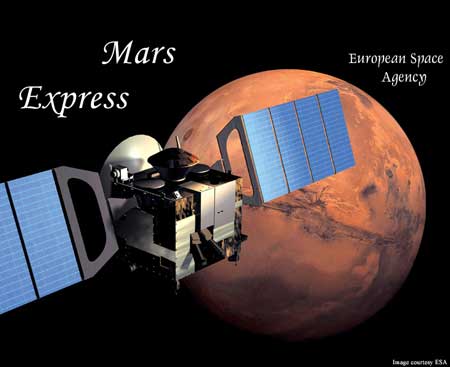
For the first time, European scientists discovered steam and ozone, and drew their distribution maps in the atmosphere of Mars, the Red Planet.

A medical surveillance agency in the UK has just issued a controversial statement: Contrary to popular belief, cities in cities can make air quality worse.
After the party, the dining room and restroom were filled with smells and smoke. Landlady turned up the lamp. After a while, the air was clean again like never dirty. Th…
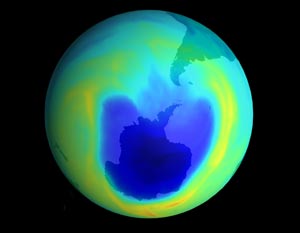
Ozone is a thin layer of atmosphere in the air that surrounds the earth. Ozone has a valuable property that the sun's ultraviolet (UV) radiation should be considered as…
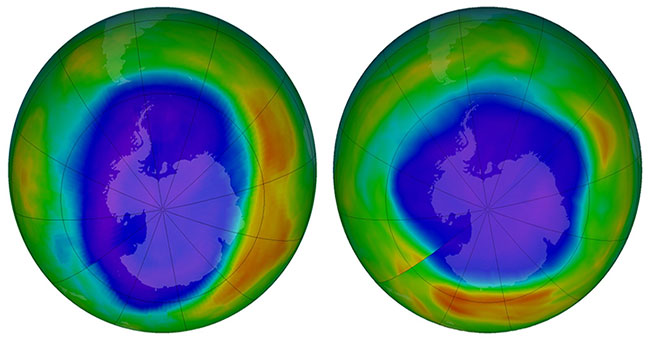
The global effort to protect the ozone layer has finally begun to have positive results. The recent United Nations report confirms this.
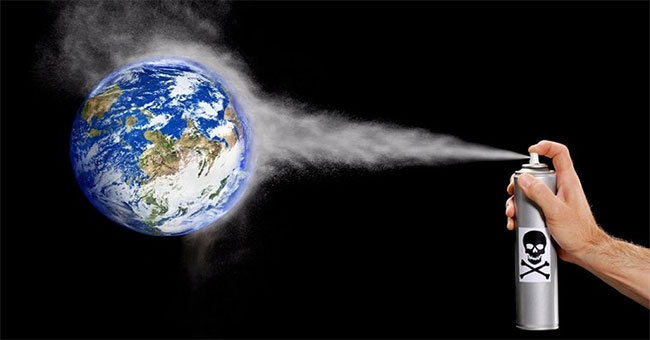
According to the Environmental Investigation Agency (EIA), ozone depleting chemicals turned out to be caused by Chinese manufacturers.
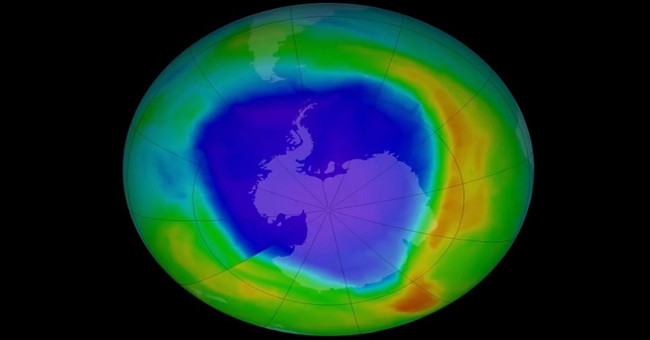
CFC is a banned substance, it contributes to ozone depletion in the high atmosphere, and scientists believe that the cause comes from an unknown source in East Asia.
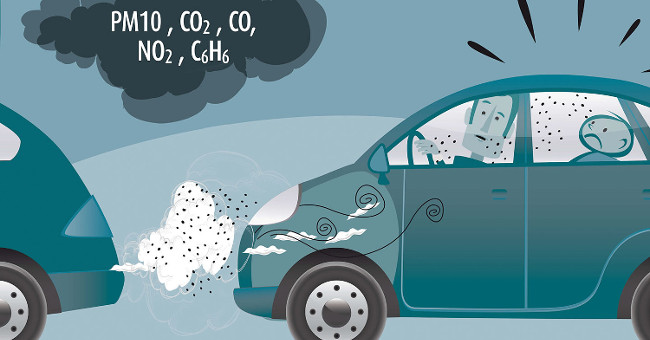
Regardless of the vehicle, after starting the engine, the exhaust system will also escape a variety of emissions, mostly toxic gases with much less content.
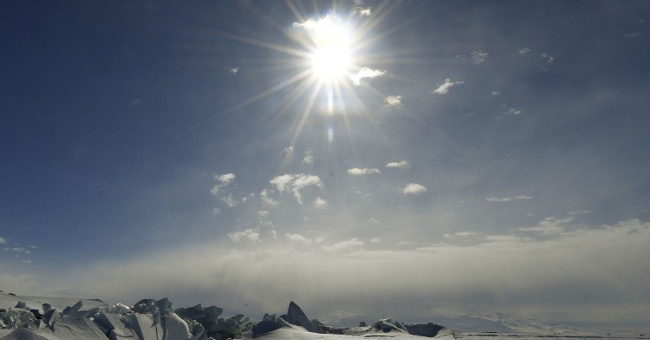
The ozone gap formed in Antarctica in September this year is the smallest sized hole monitored by scientists since 1988.