New technology
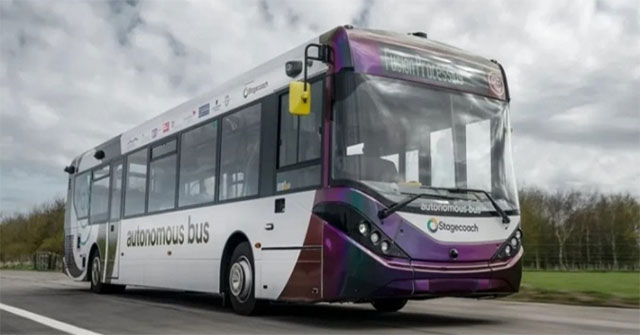
The world's first self-driving bus began operating in Scotland in May
The world's first fleet of self-driving public buses will go into operation in Scotland in May 2023.
Browse ScienceInfo articles and explainers related to PER.
10,159 published items.
The world's first fleet of self-driving public buses will go into operation in Scotland in May 2023.
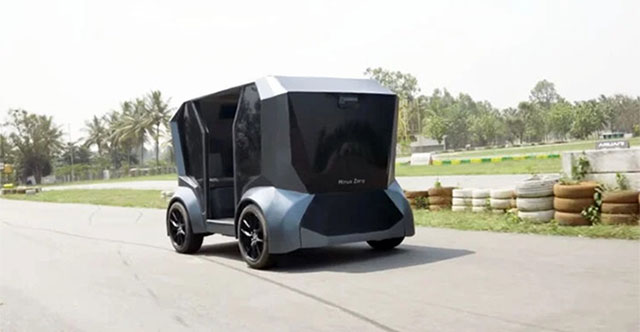
Startup Minus Zero develops zPod, a self-driving public transportation vehicle with a mind of its own.
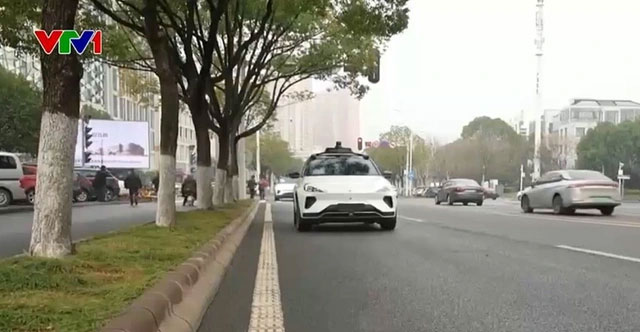
Some experienced passengers said that taking a self-driving taxi is fun, safe and convenient.

Super yacht Colossea is equipped with a 10,000kg airship above, helping to transport passengers in areas that are difficult for yachts to reach.

Chinese scientists developed a new electrolyte that allows lithium-ion batteries to charge and function well at extremely low temperatures.
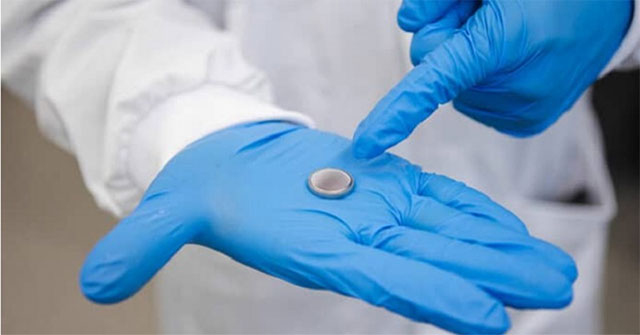
By replacing the dangerous chemical electrolytes used in conventional batteries with water, scientists create

Billionaire Elon Musk's Neuralink project to put a computer into the human brain has the potential to change the lives of some people, but it also causes many ethical is…
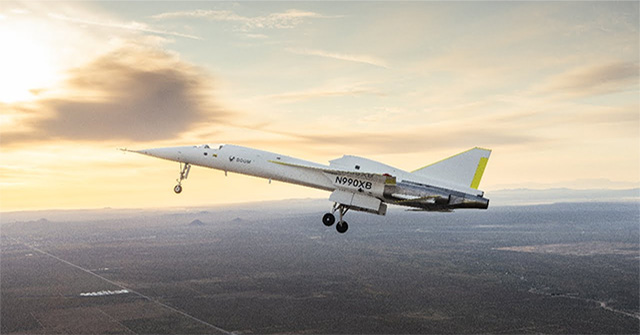
The XB-1 prototype of the Overture supersonic airliner completed all testing goals, including reaching an altitude of 2,170m and a speed of 440km/h.
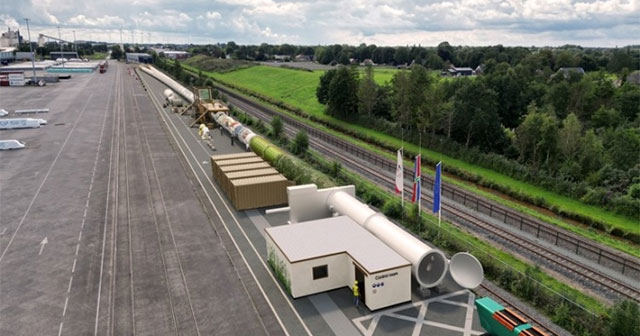
Europe's longest tunnel to test Hyperloop bullet train technology opened on March 27 in the Netherlands.

According to statistics, there are more than 7,000 languages in the world, when and where these languages originated and how they developed is still a scientific m…

Global Dream is about 80% complete but cannot be put into use.
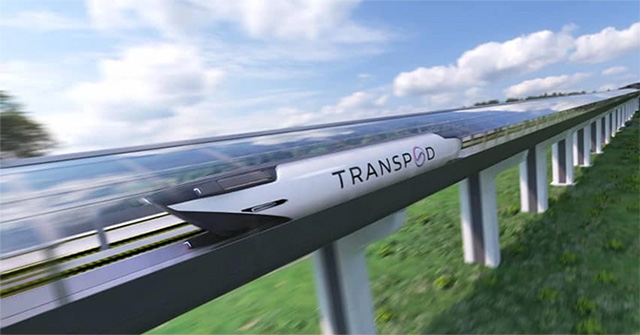
A Canadian company wants to enter the race to find a means of transport that reduces carbon emissions, travel time and fares compared to existing means of transport.
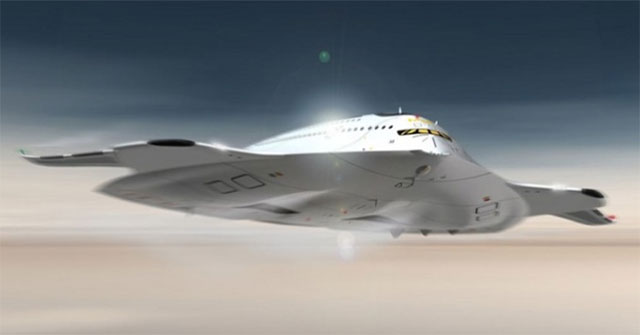
Spanish designer Oscar Vinals introduces a supersonic aircraft with a speed of 1,850 km/h equipped with a small and low-noise fusion reactor.

Victims' lives in fire accidents are usually measured in minutes. In many cases, they will have to cope on their own before any rescue units can arrive on the scene.

Supersonic bullets leave wounds as large as craters, but do not penetrate skin and flesh as solids like traditional shots.