Science Events
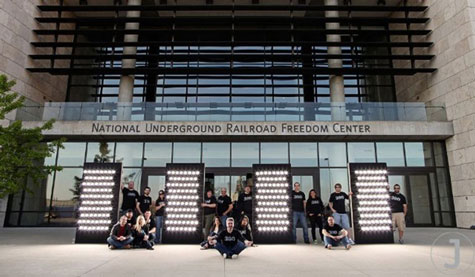
The record photo uses 300 lights at the same time
New Guinness world record for using the most lights to capture a photo recently established by photographer Jason Groupp, who used 300 flash bulbs to take a portrait of…
Browse ScienceInfo articles and explainers related to Photography.
168 published items.
New Guinness world record for using the most lights to capture a photo recently established by photographer Jason Groupp, who used 300 flash bulbs to take a portrait of…

In 1909, the banker in France, Albert Kahn, began creating a photographic image of human life on earth.

For some people it is a psychological problem, but for many people it is a positive action in life.

In the future, digital cameras will likely become a popular tool for oncologists.
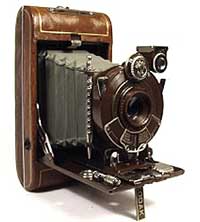
Thanks to Eastman's creative genius, previous photography was a complex and difficult task, it was easy and just a simple gesture of pressing a button on a handheld came…

Modern technology has brought a lot of benefits to us. However, the reverse side is not small. Especially if you have most of the following matches, chances are you've b…

Choose for yourself a professional photo editing application with a tanning tool, create photo albums, add funny pictures to your photos, apply filters and artistic effe…

With a series of free photo editing software and excellent photography capabilities of iPhone, you will get memorable photos, save beautiful memories in life.

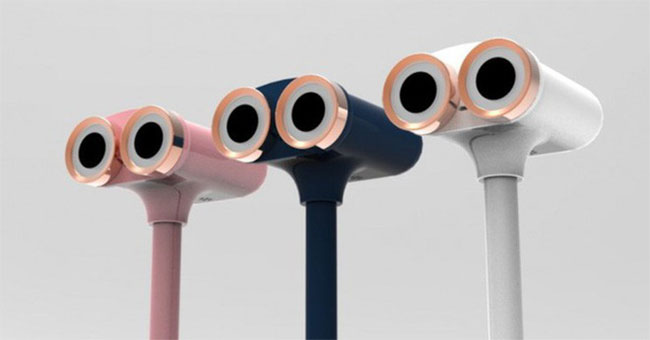
OPPY is an interesting photography accessory because it can replace many things like selfie sticks or smartphones when taking selfies.
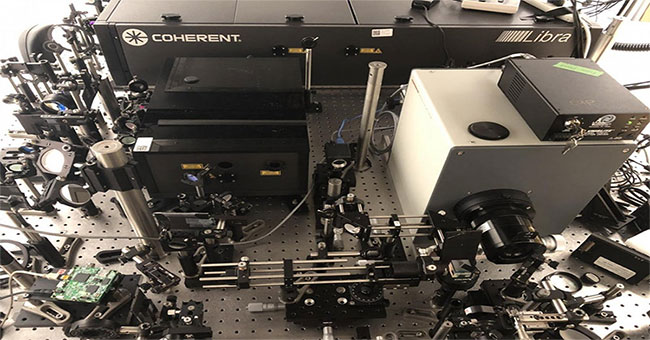
Super camera is named T - cup. Its shooting speed is so fast that it can record light movement.
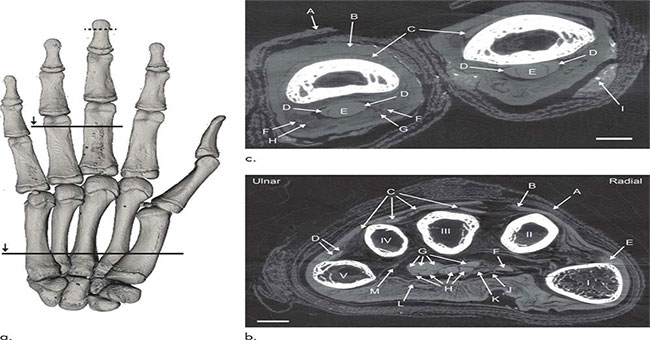
Thuy Phong scientists develop new X-ray imaging techniques to capture the detailed characteristics of mummies at the cellular level.
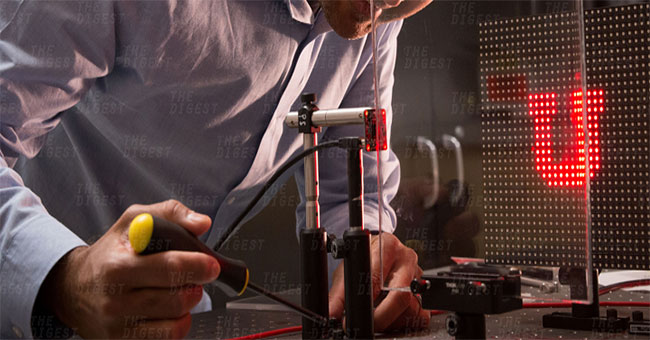
Researchers from the University of Utah have found a very effective way to take photos and videos without the need for an indispensable component.
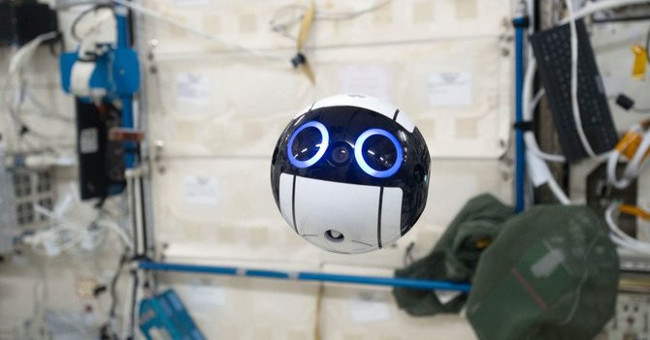
According to the Japan International Space Agency (JAXA), Int-Ball is a robot-drone capable of filming and shooting in outer space.
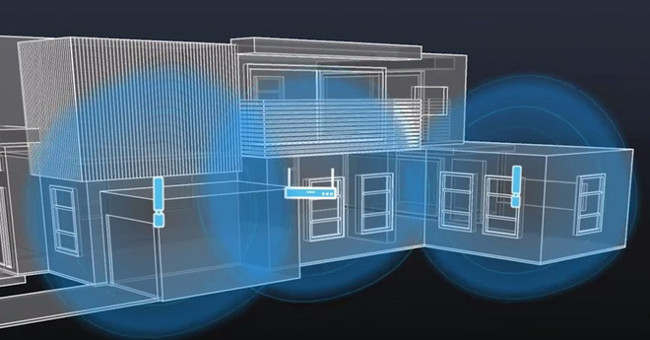
German scientists have found a way to exploit the special feature of Wi-Fi waves to capture three-dimensional images, or 3D images of objects through walls.