New technology
Lights from plastic
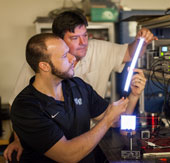
The Wake Forest University team in the US has successfully developed a new type of glow lamp that can replace fluorescent lamps.
Browse ScienceInfo articles and explainers related to Photovoltaic.
95 published items.
The Wake Forest University team in the US has successfully developed a new type of glow lamp that can replace fluorescent lamps.

The lack of clean water is the cause of death for millions of people around the world. For example, sub-Saharan Africa wants clean water to walk for several days to sour…
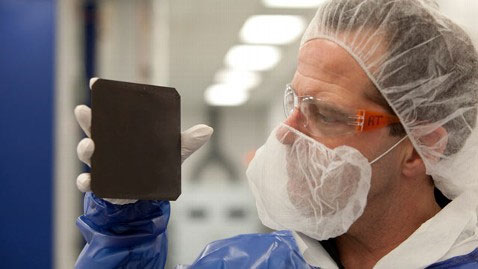
With an average light reflectance of 0.3%, these silicon black cells can absorb up to 99.7% of the light that is being absorbed, more than any other photovoltaic. This a…

A foggy UK researcher has initially succeeded in creating a solar cell grid that absorbs the light emitted by the OLED screen on a mobile phone to charge the battery. .
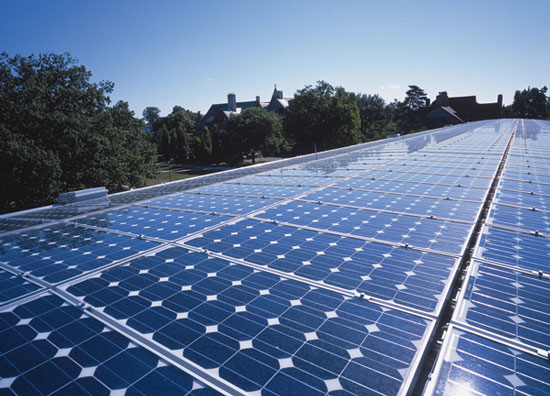
Scientists working at the University of Gothenburg, Sweden say they have developed a tool that can accurately determine the amount of solar energy coming down: a specifi…
A new form of screen that doubles the amount of pixels just like a solar cell and can enhance the energy efficiency of mobile phones and electronic reading devices.

The £ 260m solar power plant called Germasolar has been officially opened in Europe.
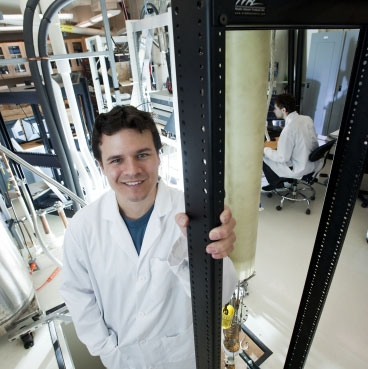
Graphene, a bizarre form of carbon consisting of carbon atoms bundled into a flat graphite plate separated at atomic size, exhibits a new reaction to light, MIT research…
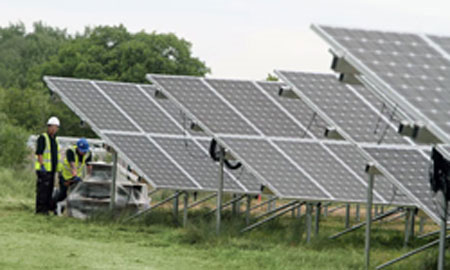
Toyota's Japanese automaker has installed 17,000 photovoltaic panels at a plant in Debyshire, England, estimated to provide enough power to produce 7,000 vehicles a…

For the first time, scientists have successfully built a machine capable of mimicking plant photosynthesis, turning solar energy into fuel.
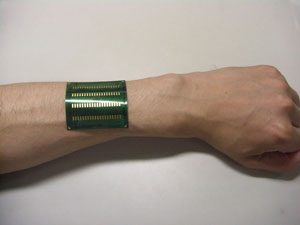
Fujitsu Labs today announced a prototype of a hybrid device that can generate electricity from both heat and light.

A truck solar-powered air conditioning system will be available in the market in early 2012.
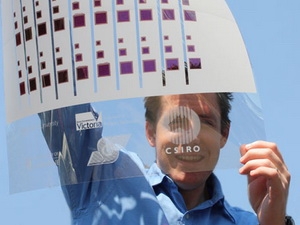
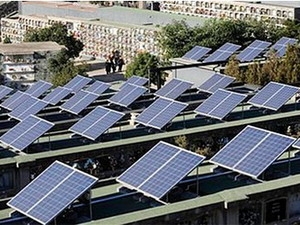
In two new studies, scientists have announced a new way to make cheaper and more efficient photovoltaics.

The glass can not only adjust the transparency to suit the weather conditions but also can generate energy from sunlight to operate on its own.