
Computer science
Google introduced Mars map service
After introducing two online mapping services, Google Earth and Google Moon, Google on March 14 has launched a new mapping tool, Google Mars. This tool will allow users…
Browse ScienceInfo articles and explainers related to Planet.
2,878 published items.
After introducing two online mapping services, Google Earth and Google Moon, Google on March 14 has launched a new mapping tool, Google Mars. This tool will allow users…
Google Earth redefines the way we still think about the planet, and Razr's phone proves that people care about sex. But new products will look better if they are really…

In order to attract young people and those who are unable to directly attend the planet's largest fair, the Swedish government and the main organizer decided to put the…

At the end of May, Disney opened another area of the park inspired by the hit Avatar movie, its name is Pandora: World of Avatar - Pandora: World of Avatar.
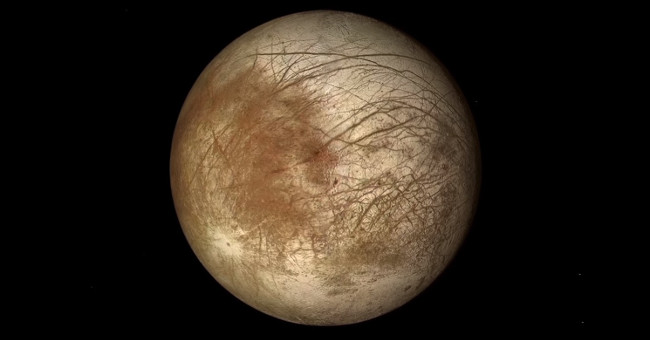
This device is called Digital Holographic Microscope and it is designed to find bacteria in space.
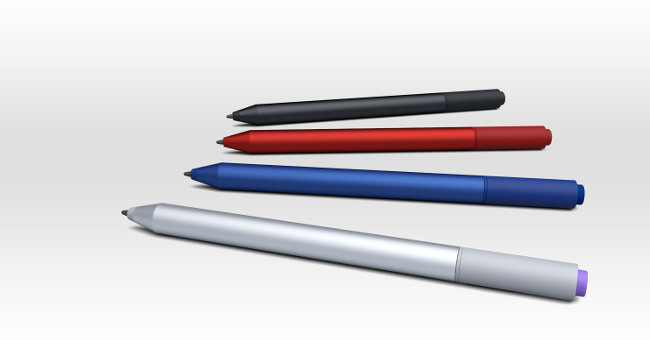
Microsoft's new Pen Surface Pen claims to be
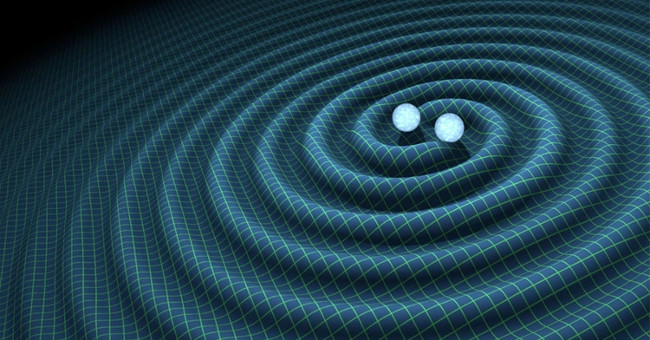
2016 is about to pass with many difficulties and gloom all over the world. However, for the science and technology world, 2016 has a lot of very promising breakthroughs,…
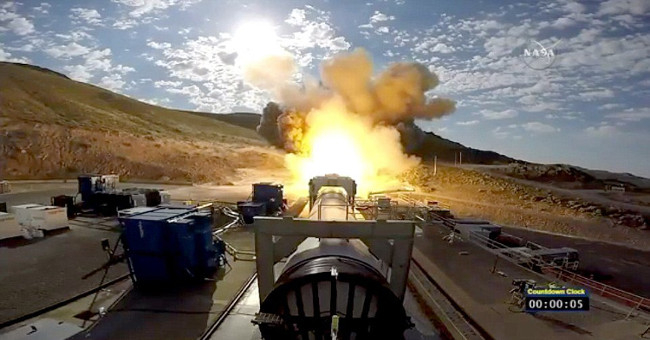
In the Utah desert, the world's most powerful rocket engine has been successfully tested.

NASA is aiming to predict dust storms on the red planet to increase the success rate for future missions.
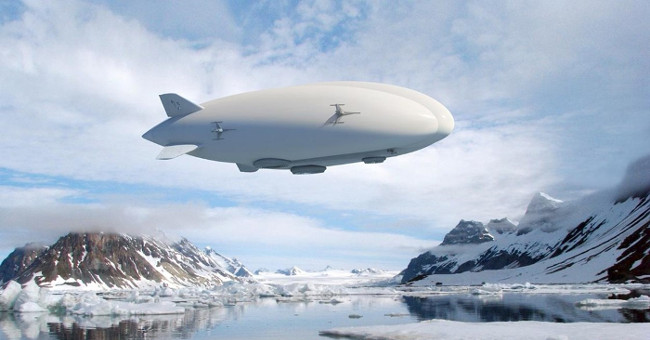
Will the hybrid air balloons be successful and bring hope to the abandoned air cargo industry for decades?
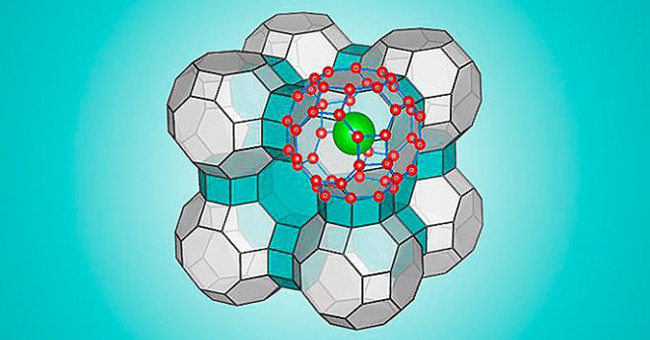
A US university research team said the new form of ice particles with the lowest specific gravity could reveal many clues about water on another planet.

Dutch scientists have successfully researched the planet's largest tsunami to combat floods, a phenomenon the people have been facing for several thousand years.
As we all know, each different molecule absorbs light in different ways.
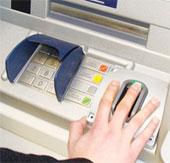
Hitachi, Japan and the Polish banking system started offering 'self card'
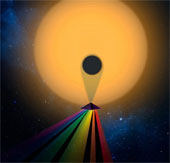
A group of researchers from the MIT Institute of Technology recently introduced a method to determine the masses of exoplanets.