Space science
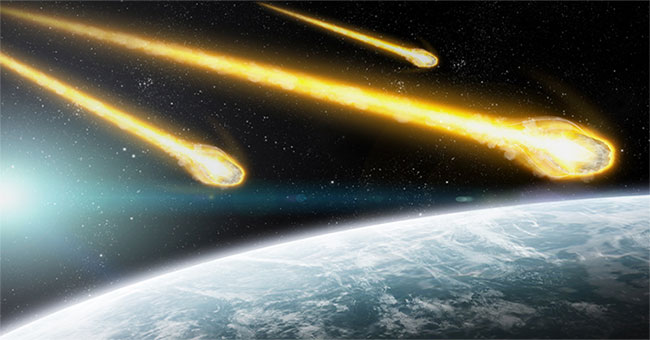
Today, 3 large asteroids rush towards the Earth
Our planet is once again blessed with these three asteroids, according to the US Aeronautics and Space Agency (NASA), just grazing near the earth and not in danger.
Browse ScienceInfo articles and explainers related to Planet.
2,878 published items.
Our planet is once again blessed with these three asteroids, according to the US Aeronautics and Space Agency (NASA), just grazing near the earth and not in danger.
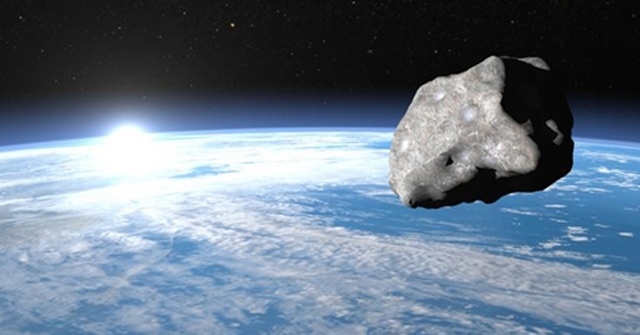
Asteroid 2018 VX1 is expected to reach at a distance of 381,400 km and is not dangerous to the green planet.
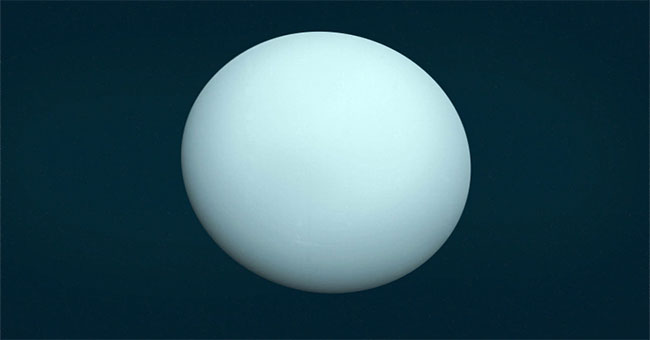
Uranus is the seventh planet from the Sun; is the third largest and fourth largest planet in the system.
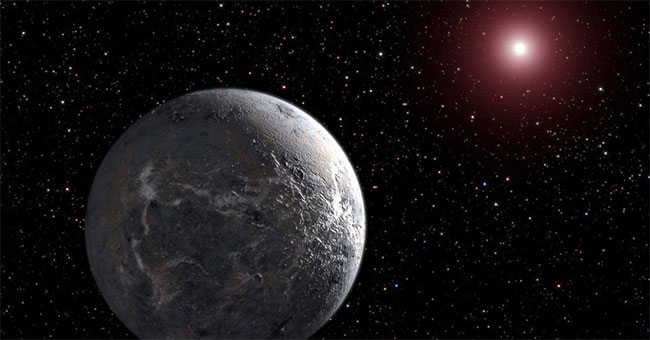
Scientists found that a super-Earth rotating around a red dwarf Barnard is only 6 light-years away from the solar system.
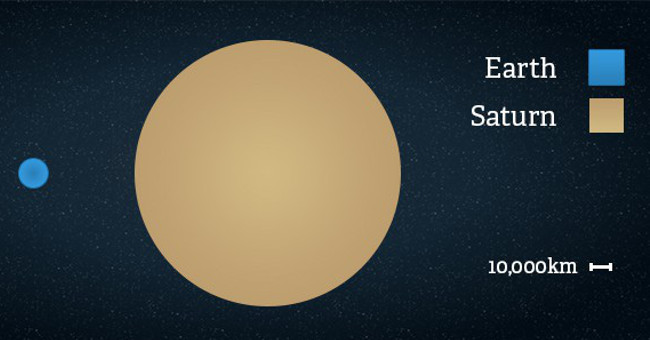
Saturn is the planet with the widest belt system in the Solar System. Other planets also have a belt, but Saturn's belt is the only belt visible from Earth.

Mercury or Mercury is the smallest and closest to the Sun of the Sun's eight planets, with an orbital cycle of 88 days on Earth.
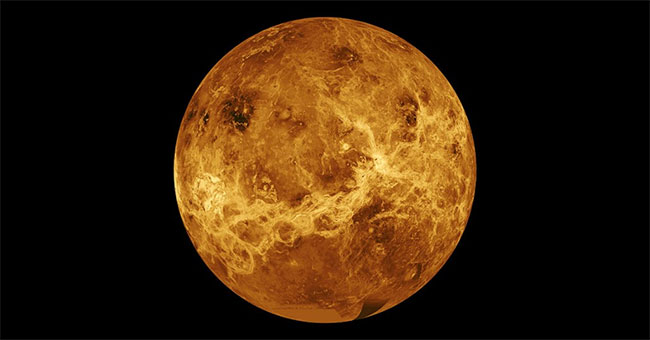
Venus or Venus is the second planet in the Solar System, revolving around it with a cycle of 224.7 Earth days.
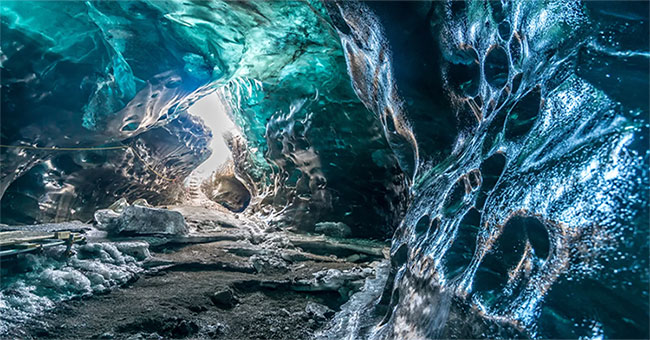
This killer ice super had Earth, but fortunately it was blocked by deep underground diamonds.
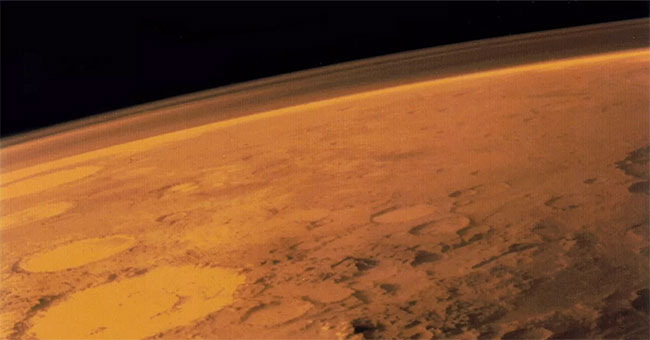
Mars, also known as Mars, is the fourth planet from the Sun in the Solar System. Sometimes this planet is also known as Mars.

Early science fiction in the 20th century described Venus as a magical land with pleasant warm weather, lush forests and even dinosaurs.

The early Earth was purple and so were the planets that started another life, according to a new US study.
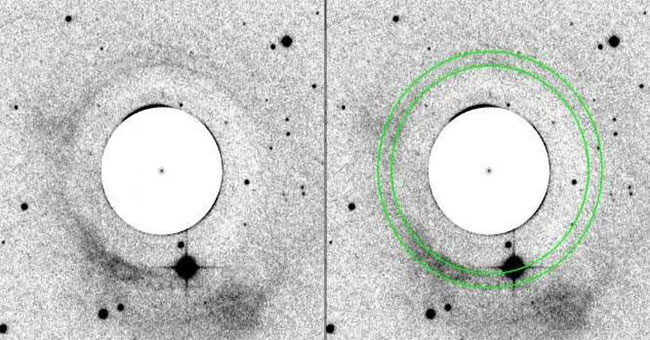
Using ESO's Very Large telescope, international astronomers detect ionizing halo around planetary nebula IC 5148.
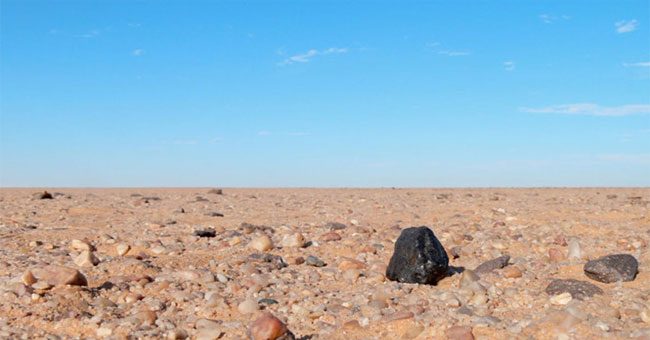
Diamonds found inside the meteorite in the Nubian desert in Sudan are evidence of the existence of a planet that disappeared during the formation of the Solar System.
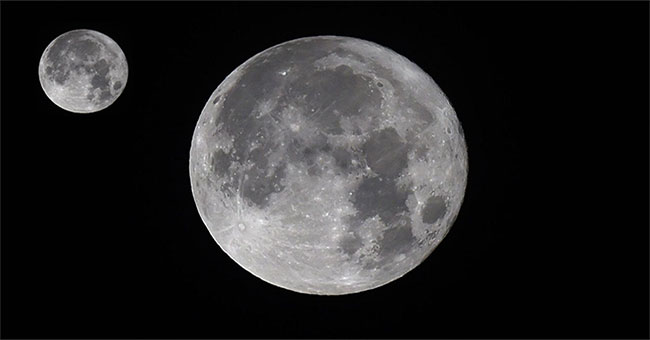
Stars - like the Sun - have planets around. The planets have orbiting satellites - like the Earth's Moon.
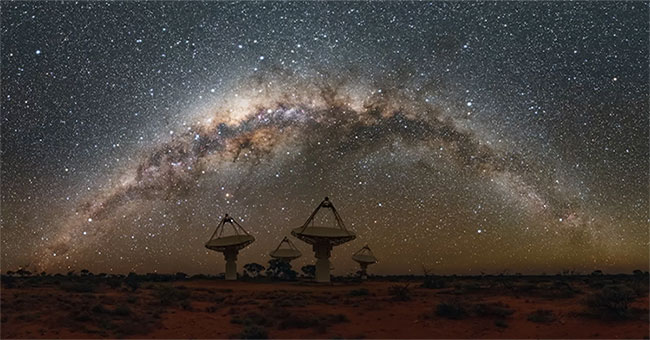
The research team at Swinburne University of Technology (Australia) said it has started its search since 2017, using the ASKAP (Australian Square Kilometer Array Pathfin…