Biology
Plants produce thanks to 'perfume'
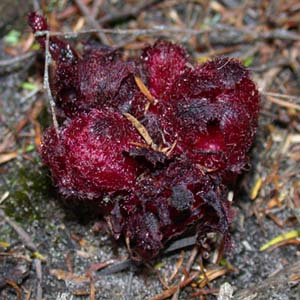
A parasitic plant uses aromatic chemicals to attract the attention of small mammals, so that their flowers are pollinated.
Browse ScienceInfo articles and explainers related to Plant.
3,097 published items.
A parasitic plant uses aromatic chemicals to attract the attention of small mammals, so that their flowers are pollinated.
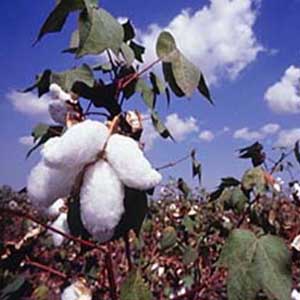
New research by Dr Glenn Stone - Professor of Anthropology of Arts and Sciences at Washington University, St. Louis, shows that the productivity of the first genetically…

The Institute of Agricultural Biology, Hanoi Agricultural University has completed the process of producing disease-free potato varieties, limiting the situation that th…

New method of producing functional foods that you can make yourself to improve health and prevent diseases: Causing stress on plants.
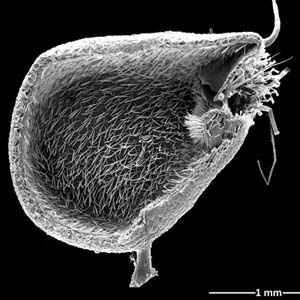
Scientists at Grenoble University (France) have discovered a kind of aquatic carnivorous plant, which absorbs nutrients from

Ha Giang implemented the project of planting and producing high quality lingzhi mushroom in the province with the amount of 800 million VND.
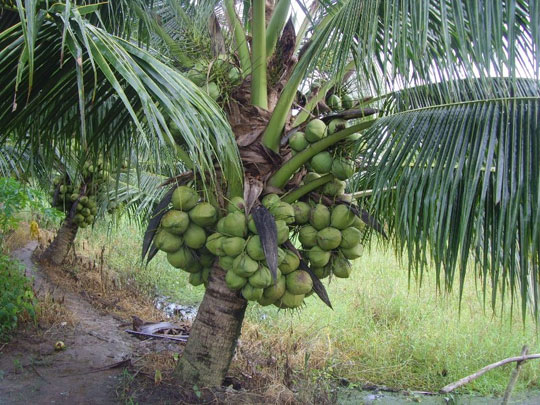
Recently, US scientists have discovered a new method to expand the pharmaceutical features of some crops through genetic modification.

Trees are an important component of the natural landscape and are an abundant source of oxygen, food, shelter, building materials and protection for all living things ...
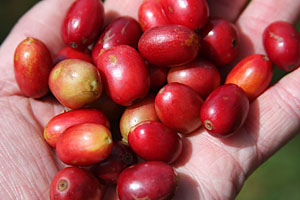
Tea coffee varieties are easy to grow, resist rust, adapt to many ecological zones, give high yield and good product quality.
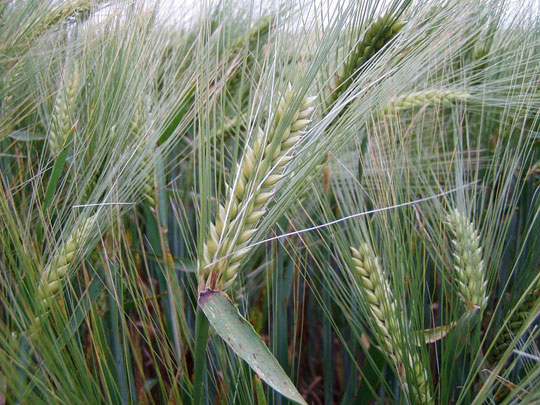
Scientists decoded the viral genome of vascular powdery mildew and found the parasitic gene called transposon.
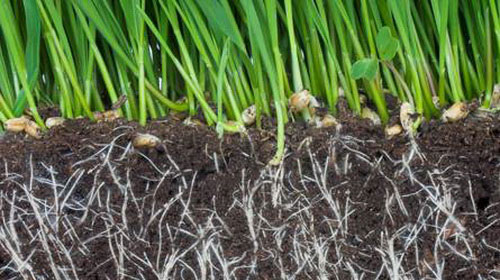
Research shows that roots of vegetables have collective intelligence, like honey bees and humans, that share information and solve problems together.

Pumpkin by Chris Stevens weighing over 821,2428kg is being performed by NewYork botanical garden staff. Scientists think they can explain why this pumpkin can grow to a…
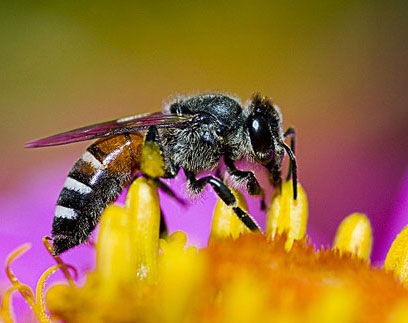
People often divide insects into two types that are useful and harmful. However they are all links of diversity ...
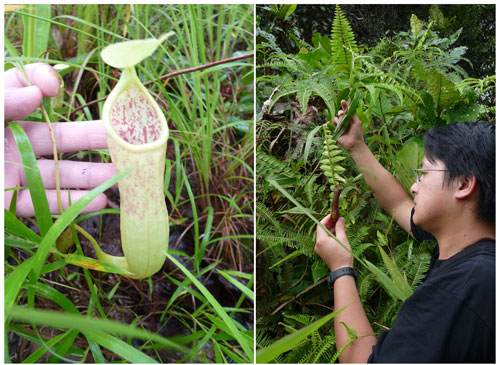
A new carnivorous plant has just been discovered in Mount Cardamom, southwestern Cambodia. The discovery of Nepenthes holdenii is evidence ...