
Scientific works
Philippines uses plastic waste as construction materials
A factory in the town of Teresa, in the Philippine province of Rizal, has found a new way to regenerate waste plastics. Plastics are materials that cannot be decomposed…
Browse ScienceInfo articles and explainers related to Plastic.
805 published items.
A factory in the town of Teresa, in the Philippine province of Rizal, has found a new way to regenerate waste plastics. Plastics are materials that cannot be decomposed…

The medical sciences for a long time have found ways to repair or replace important parts and experienced cardiovascular professionals never want to surrender to this ch…
Among the 50 characters selected by Public Works magazine for the Trendsetters 2006 award, among famous names such as US President George Wush, former Vice President Al…
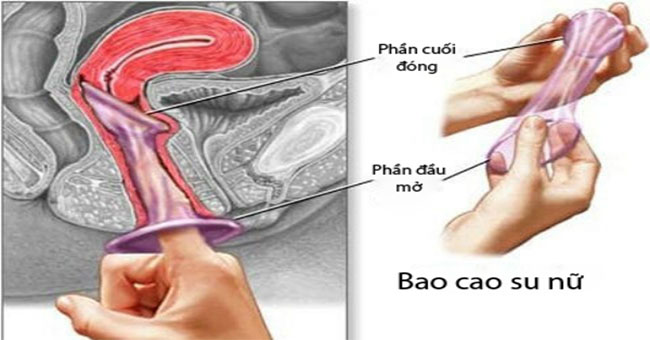
Female condoms are made of thin polyurethane plastic that is worn inside the vagina to prevent sperm from meeting eggs.
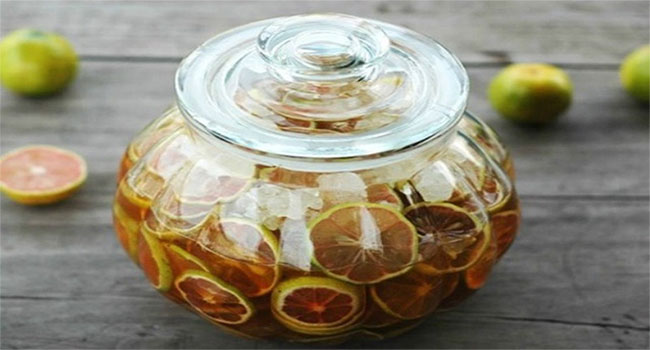
Peach lemon and honey are all healthy, soaking together is a nutritious drink.
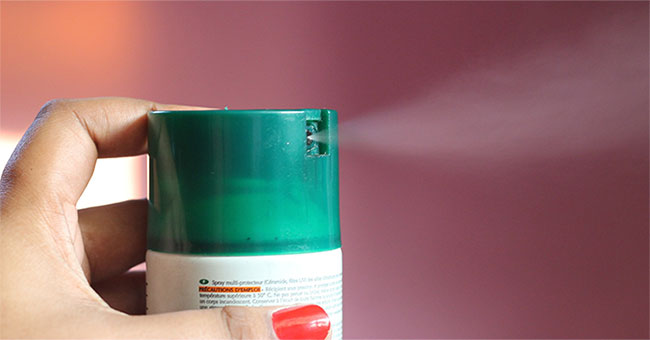
According to the World Health Organization (WHO), an estimated 9.6 million people worldwide die from cancer in 2018. The total cost of annual cancer treatment is up to 1…

According to a PV survey, plastic toys called 'ghost slime' have long been known as 'slime' which are popular among students.
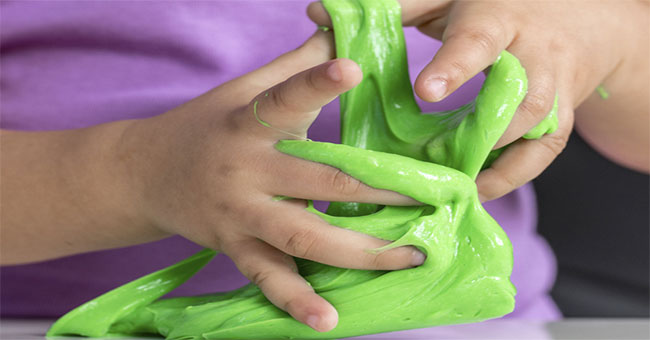
Flexible slime in Slime toys contains toxic ingredients that can cause allergies, burns, affect the nervous system and reproduce users.

Dermaclip in the US has just launched a medical patch that helps open the wound open quickly and safely without the usual stitches.
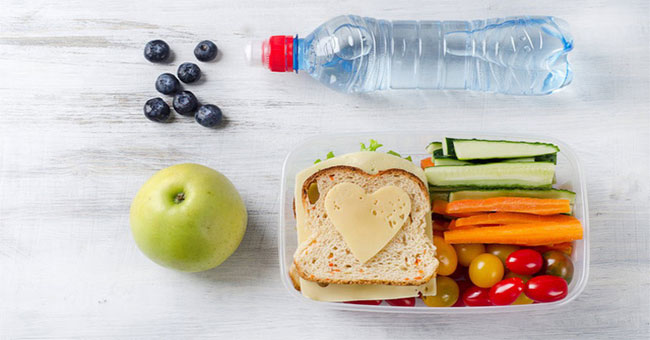
Eat lots of vegetables and fruits, do not put plastic bags, plastic boxes in the microwave or wash plastic with dishwashing liquid, check the recycling code of plastic c…

Will toxic substances in e-waste get into food, or be absorbed through the skin to the human body?

This is a particle with a diameter of less than 5 micrometers, broken down from larger pieces of plastic waste and it takes several hundred to several thousand years to…

A group of American doctors successfully performed transplant surgery

More frightening, plastic originates not primarily from food or cooking environments but also domestic dust (along with thousands of bacteria and fungi).
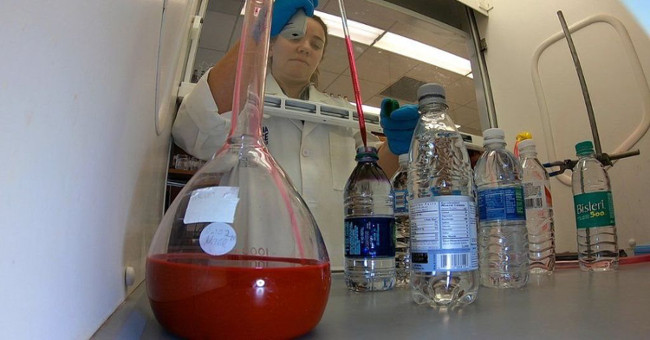
Recent tests have found that most of the bottled water products of many world-famous firms contain tiny plastic beads, known as plastic molecular particles.