Space science
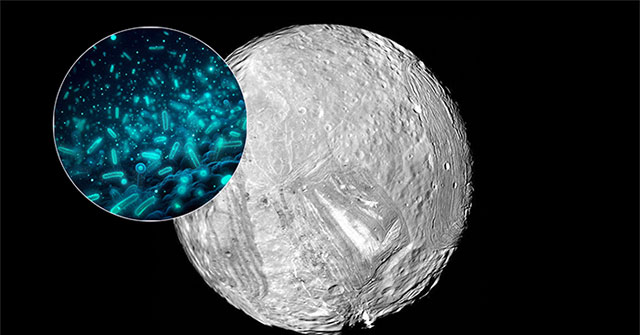
NASA spacecraft finds new world that could contain water and life
In what was thought to be the darkest and deadliest place in the Solar System, NASA's Voyager 2 spacecraft made a shocking discovery.
Browse ScienceInfo articles and explainers related to Pluto.
135 published items.
In what was thought to be the darkest and deadliest place in the Solar System, NASA's Voyager 2 spacecraft made a shocking discovery.
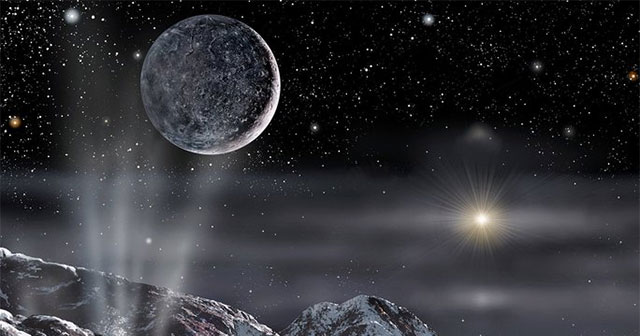
If signs of Pluto's underground ocean have some scientists hopeful of life, the underground ocean in its moon Charon is a paradoxical hell.
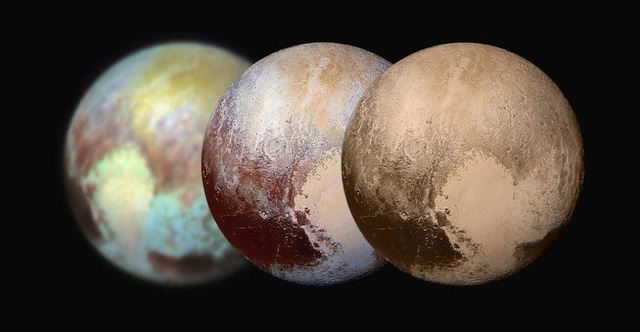
Pluto, this mysterious planet far from the Sun, has always been the focus of research for astronomers.
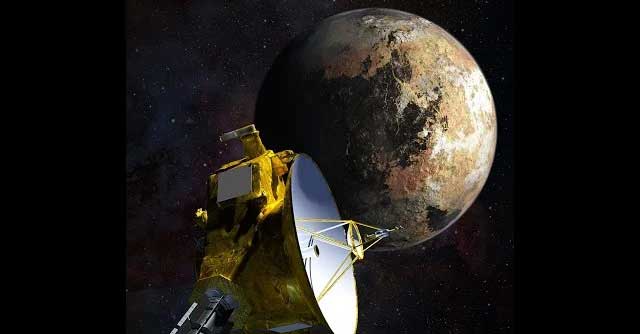
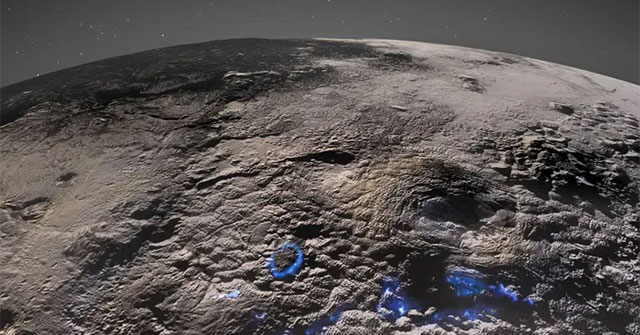
NASA's James Webb Space Telescope has discovered new clues about the surface of Charon - Pluto's largest moon.
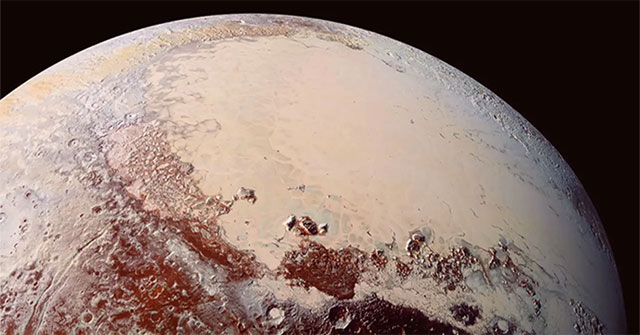
Signs of an alien sea 8% more salty than Earth's sea have just been identified by American scientists.
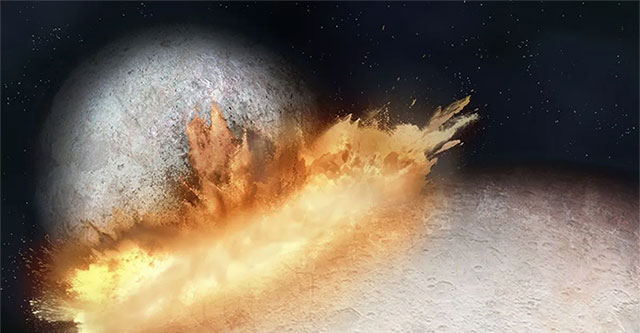
The landmass that scientists suspect hides a habitable underground ocean of Pluto has been brutally formed.
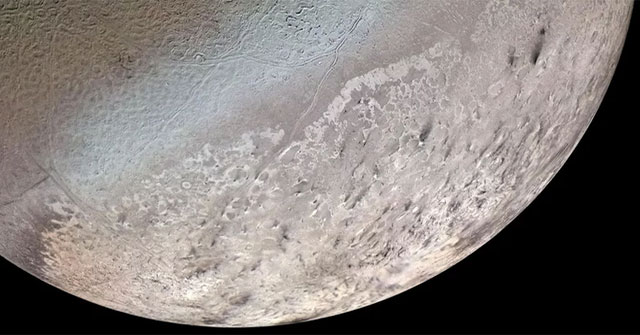
Triton is surprisingly similar to Pluto. While this pair may look quite different, they are almost the same size and composition.
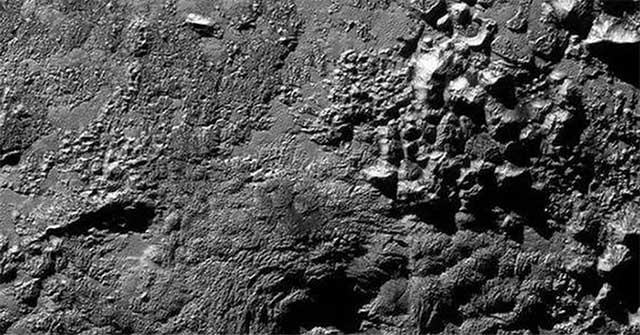
The universe always has many unsolved mysteries. The appearance of giant ice volcanoes on Pluto shows that the dwarf planet is not an ice ball as we thought.
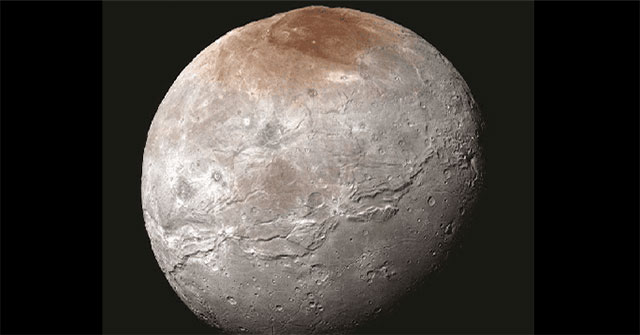
Scientists have found out why the North Pole Charon - Pluto's moon - is tinged with a ghostly red-brown color.
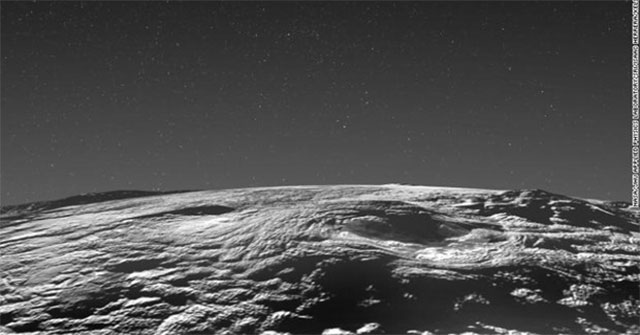
Ice volcanoes have been found to exist on a number of icy moons in the Solar System, however the ice volcanoes on Pluto have a different appearance from all other ice vo…
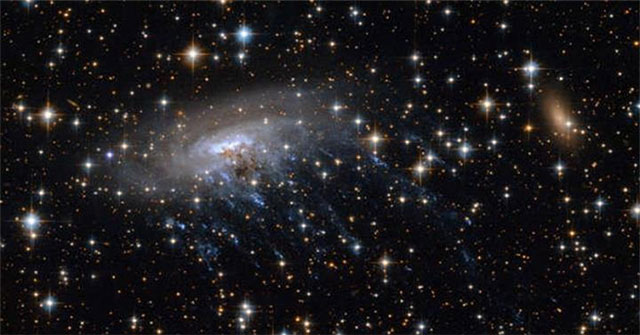
Strange galaxies, planets with unknown features, mysterious satellites and unique phenomena.
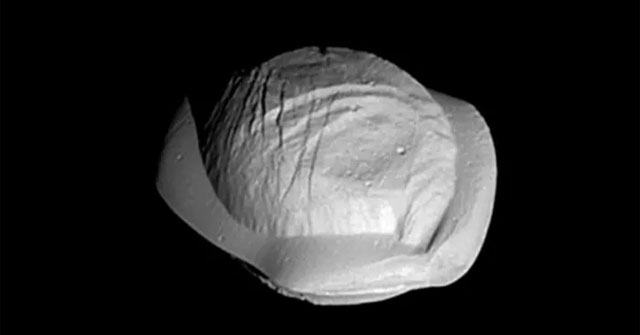
Mars - the planet closest to Earth, has 2 moons. Pluto - a dwarf planet with 5 moons.
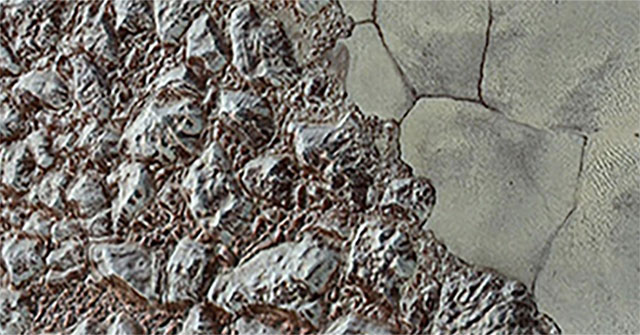
Image analysis from NASA's New Horizons mission shows that Pluto is very hot when it is first formed. This will create liquid water that exists to this day.
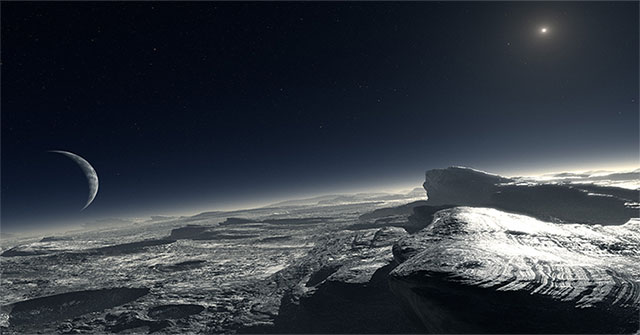
The head of NASA has made a shocking statement that a familiar and mysterious object at the edge of the Solar System is a true planet.