Archeology
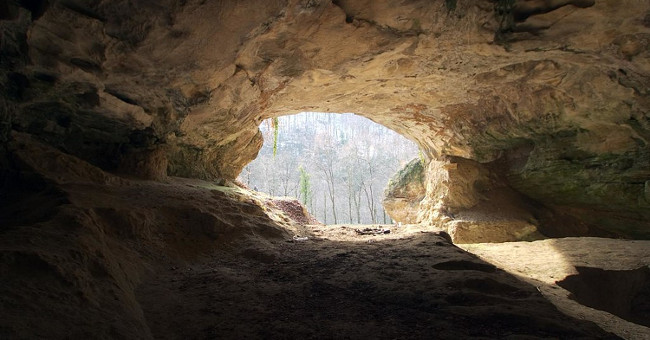
Neanderthals and Sapiens do not meet at Vindia Cave, Croatia
Vindia Caves in northern Croatia are considered to be one of the most likely places for Neanderthals and modern humans to meet and mate.
Browse ScienceInfo articles and explainers related to Prehistoric People.
92 published items.
Vindia Caves in northern Croatia are considered to be one of the most likely places for Neanderthals and modern humans to meet and mate.
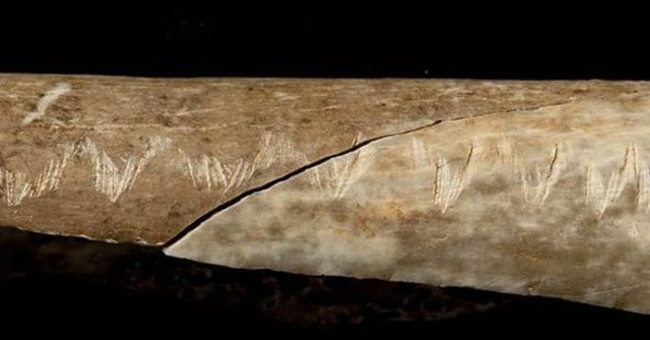
In a study published in Plos One, British paleontologists said that evidence of prehistoric people living in caves about 15,000 years ago had been found.

Many previous studies have shown that modern ancestors in Asia and Europe crossed with primitive Hominin humans, including Neanderthal and Denisovan.
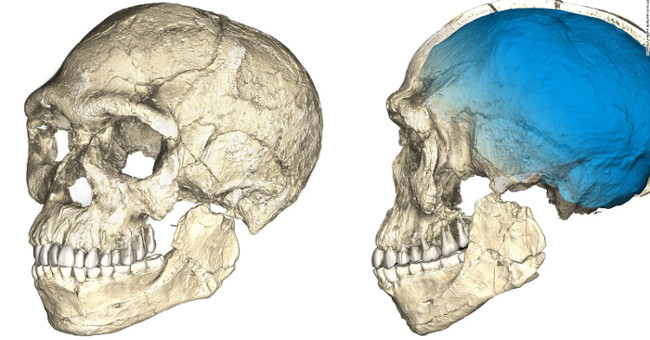
Scientists have successfully unearthed the oldest ancient fossils on Earth in Morocco, helping to bring new discoveries to the origins of humanity.
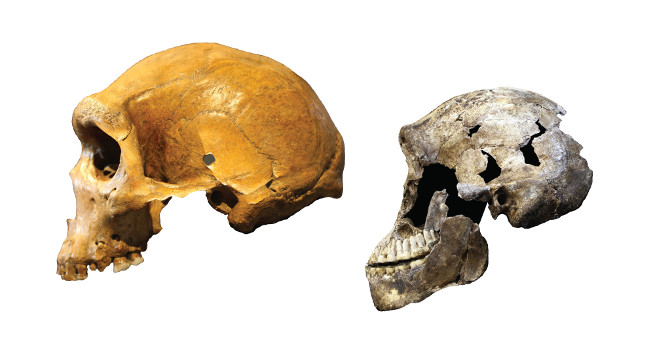
Homo naledi fossil dating is found in South Africa and corpses can reverse scientific knowledge of evolution.
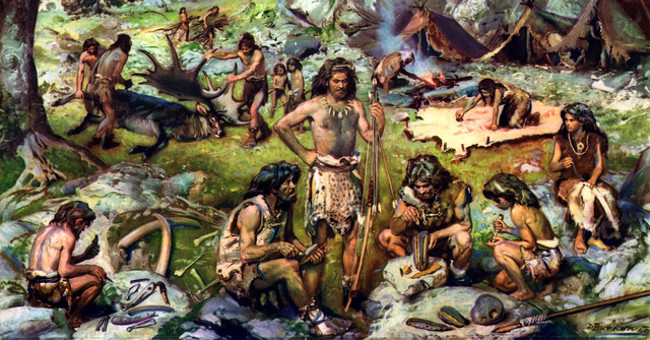
According to the Quarternary Science Review, the first people came to settle in Australia more than 50,000 years ago.

People need a lot of time to invade the whole Earth. But the history of that process is in danger of being completely rewritten just because of a fossil.
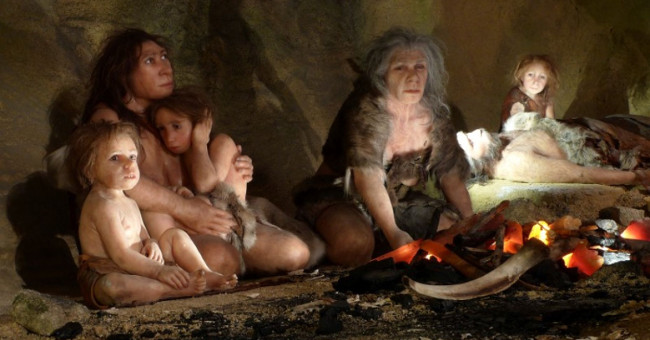
The new study shows that human flesh has less nutritional value than other animals, while much harder to hunt for prehistoric humans.

The earliest human presence in North America may be at the end of the ice age. The group hid in caves in Bluefish, quickly expanding throughout the continent and being t…
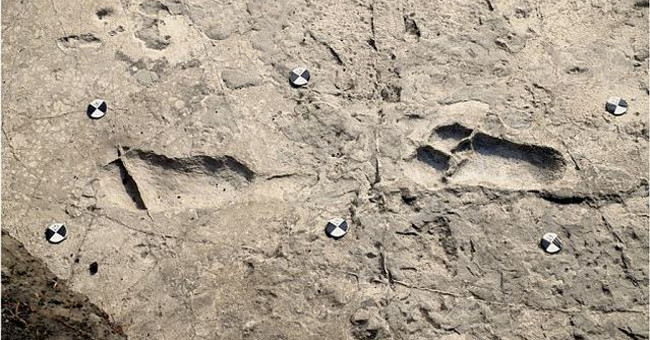
Based on footprints, scientists accurately calculated the height and weight, habits of prehistoric people from nearly 4 million years ago.

One of the most persuasive hypotheses is that prehistoric people traveled by road for 1,450km from Alaska to Montana.
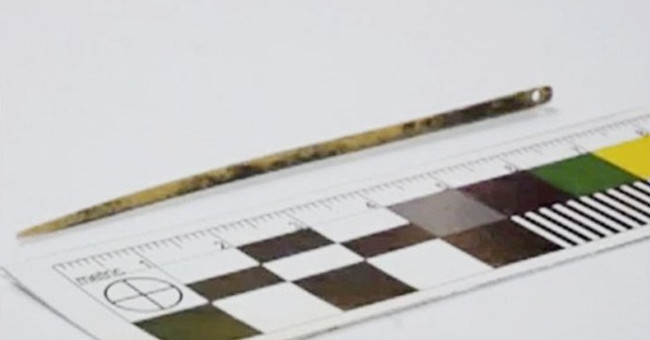
Scientists have found the world's oldest needle in a cave in Siberia, still in use after 50,000 years.
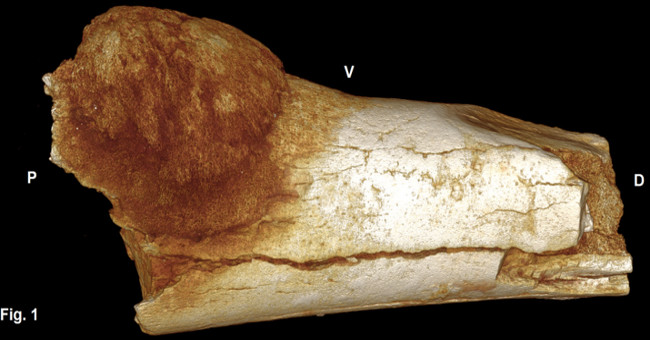
Finding cancer that has existed for millions of years has marked an important milestone in ancient history, and changes in preconceptions, concepts that suggest cancer i…

The small and scraped marks were clearly visible on the bones of the Stone Age Orkney Islands, before they were buried in a mass grave.
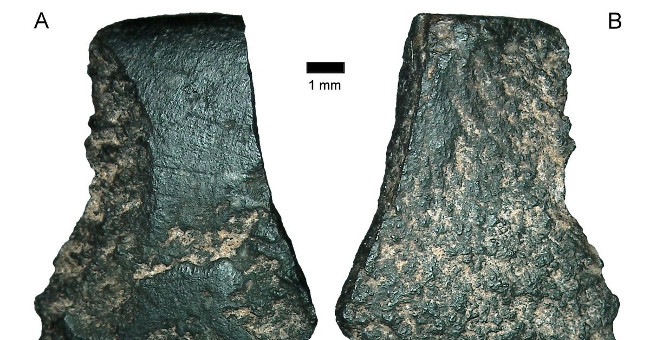
Australian archaeologists have discovered a stone ax, identified as 44,000 to 49,000 years old. Currently this stone ax is considered the oldest in the world.